
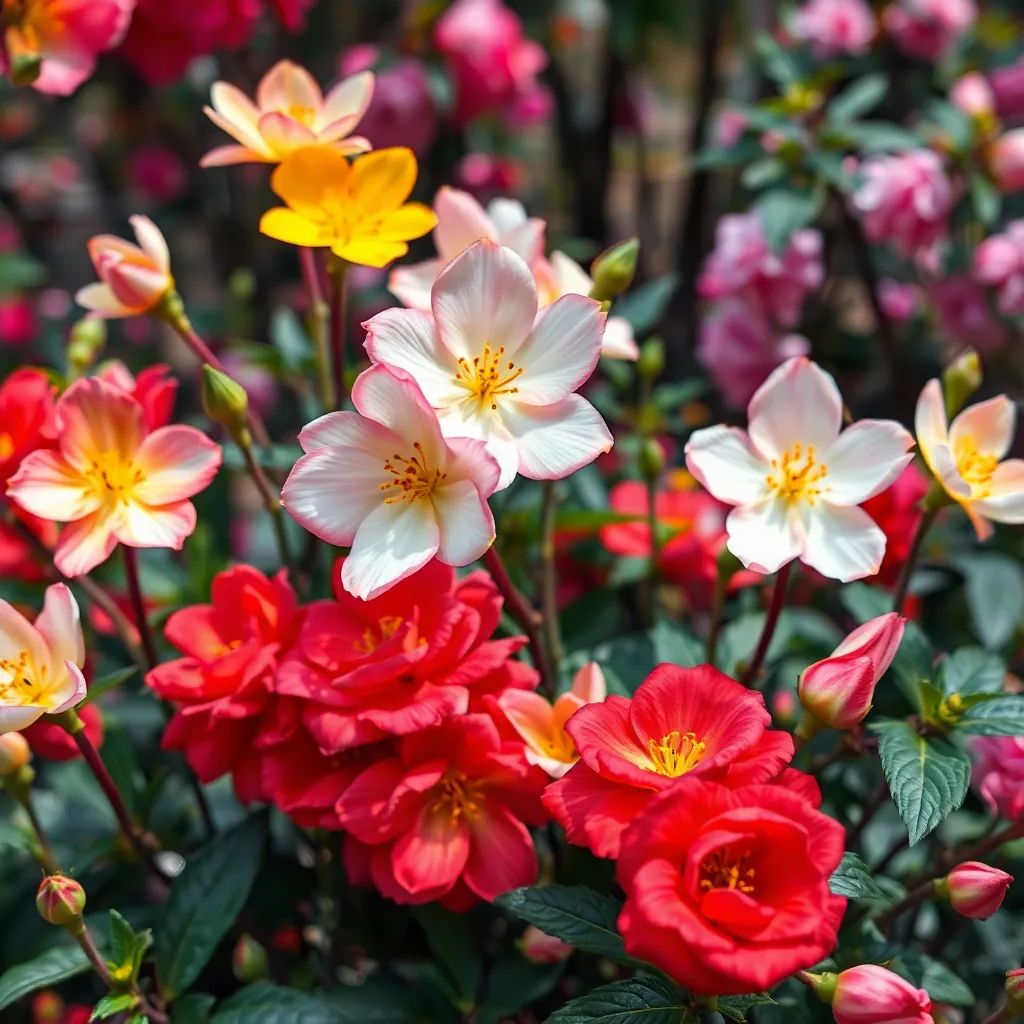
Shifting Seasons: Gardens Witness Unprecedented Early Blooms
The observation that gardens and estates are experiencing flowers blooming earlier than normal marks a notable shift in seasonal patterns, impacting these cherished green spaces. This phenomenon, noted across numerous properties, signifies a deviation from established botanical calendars, where specific species typically emerge at predictable times. For local communities surrounding these sites, the early bloom presents a multifaceted impact. It can alter the timing of anticipated seasonal displays, potentially affecting visitor numbers and the planning of horticultural events that rely on specific floral cycles.

Community relevance is evident in how these changes are perceived and responded to. Local residents and regular visitors might notice the early emergence of spring flowers in winter, or summer blooms appearing in late spring, creating an unusual visual experience. This can spark discussions about environmental changes and the resilience of local ecosystems. Garden staff and volunteers, integral to these estates, are directly affected by altered schedules. Their work, which traditionally follows a well-defined seasonal rhythm of planting, pruning, and maintenance, may require adaptation to accommodate accelerated growth and bloom cycles. This could involve adjusting cultivation techniques, pest management, or the timing of educational programs designed around specific flowering periods.
Beyond human interaction, early bloom impacts the broader ecological balance. Pollinators, like bees and butterflies, may emerge out of sync with their primary food sources, posing challenges for both insect populations and plant reproduction. While specific locations or events aren’t detailed, the general mention of “gardens and estates” encompasses a vast network of sites, each a vital community asset. Their early flowering patterns collectively highlight a widespread environmental trend, warranting attention from horticulturists, conservationists, and the public. Monitoring these shifts is crucial for understanding and adapting to evolving natural cycles.
(Source: https://www.bbc.com/news/articles/czd8rrpyy0zo?at_medium=RSS&at_campaign=rss)