Rare Sea Mirage Stuns Newquay Waters: What Is a Fata Morgana?
The Extraordinary Sight That Left Local Boaters Speechless
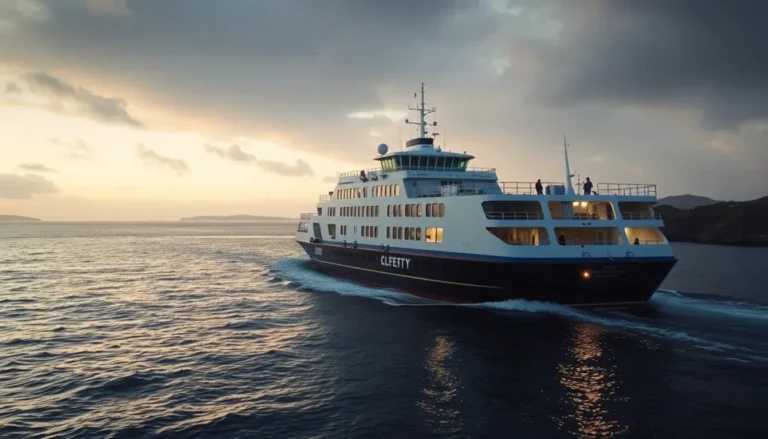
Last week, Mike Hancock, skipper at St Ives Boats, experienced something that left him questioning what he was seeing off our north coast. While navigating waters near Portreath heading west toward Pendeen, Hancock spotted what appeared to be an enormous vessel materialising and then transforming before his eyes—at one point resembling a massive bear, then shifting into the mathematical shape of Pi. “It was completely surreal,” Hancock recalls. “The shape just kept changing and changing.”

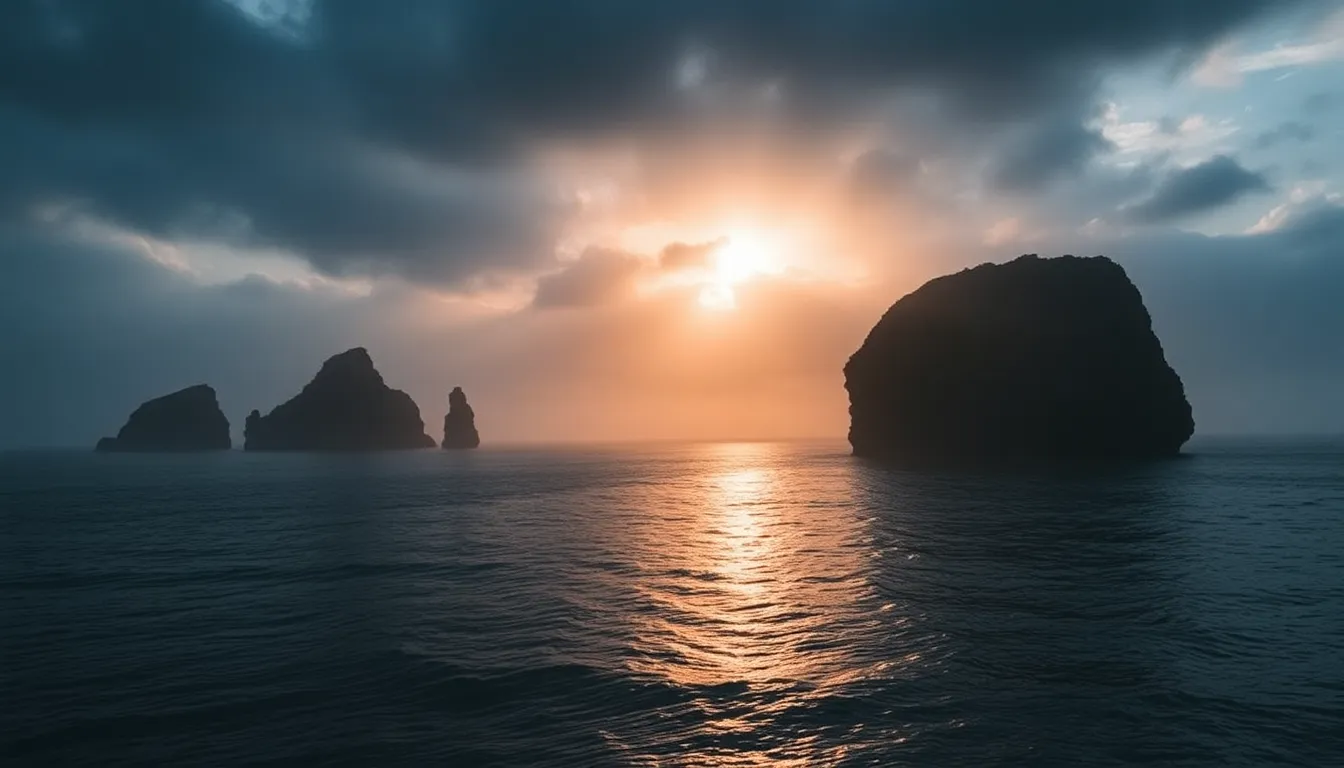
What Hancock witnessed wasn’t a ghost ship or an invasion fleet, but rather a rare atmospheric optical illusion known as a Fata Morgana—a highly complex superior mirage that distorts distant objects into towering, unrecognisable shapes. The mirage was actually an aircraft carrier, many miles away, appearing inverted and dramatically magnified through layers of cold and warm air. For most of us living here, these phenomena are something we hear about in maritime history books or Arctic explorer tales, but seeing one off our Cornish shores remains genuinely uncommon. It’s a reminder that even in familiar waters, nature continues to surprise us.
Understanding the Science Behind the Sky Castles
The name Fata Morgana comes from Italian folklore and references King Arthur’s shapeshifting half-sister, Morgan le Fay—reflecting how these illusions seem to conjure castles from thin air. Unlike standard mirages you might see shimmering on a hot road, a Fata Morgana requires extreme atmospheric conditions: a thick layer of freezing air trapped beneath a layer of much warmer air creates an intense temperature inversion.
This dramatic temperature contrast acts like a curved lens, bending light rays far more severely than normal. As thermal ripples move through these air layers, the refracted light continuously shifts, causing the mirage to morph rapidly. Objects like boats or distant cliffs get stretched vertically into massive columns, sometimes appearing stacked on top of one another—some upright, others completely inverted. The effect can make a small vessel look like a colossal fortress, then compress it flat in seconds.
Historically, these mirages shaped maritime legends. The famous ghost ship the Flying Dutchman likely originated from Fata Morgana sightings, and early Arctic explorers charted entire phantom islands based on these optical illusions, which still appear on old maps today.
What Local Residents and Visitors Should Know
If you’re planning to visit Newquay or spend time along our coastline—whether walking Fistral Beach, exploring dog-friendly accommodation options, or simply enjoying our stunning north coast—keep your eyes on the horizon during cold, clear days. While Fata Morgana mirages remain rare here, they’re becoming more frequently reported as people share observations on social media.
Local boat operators, fishermen, and coastal walkers should understand that these mirages, while spectacular, don’t indicate hazardous conditions. However, they remind us how atmospheric conditions shape our environment. If you spot something unusual off our coast, share it with local news outlets and maritime communities—these observations help build our understanding of regional weather patterns.
For visitors and residents alike, it’s a powerful reminder to stay connected to our natural surroundings. Whether you go to Newquay for the beaches, the vibrant community, or the sense of maritime history, moments like Hancock’s mirage sighting demonstrate why our north coast continues to captivate imaginations. Keep cameras ready and curiosity even keener.
Source: What is a Fata Morgana? Cornwall sea mirage sparks questions