Wettest Week in Two Years as Storms Austen and Boelo Hit Cornwall
A Week of Rain That Changed the Picture for Our Rivers
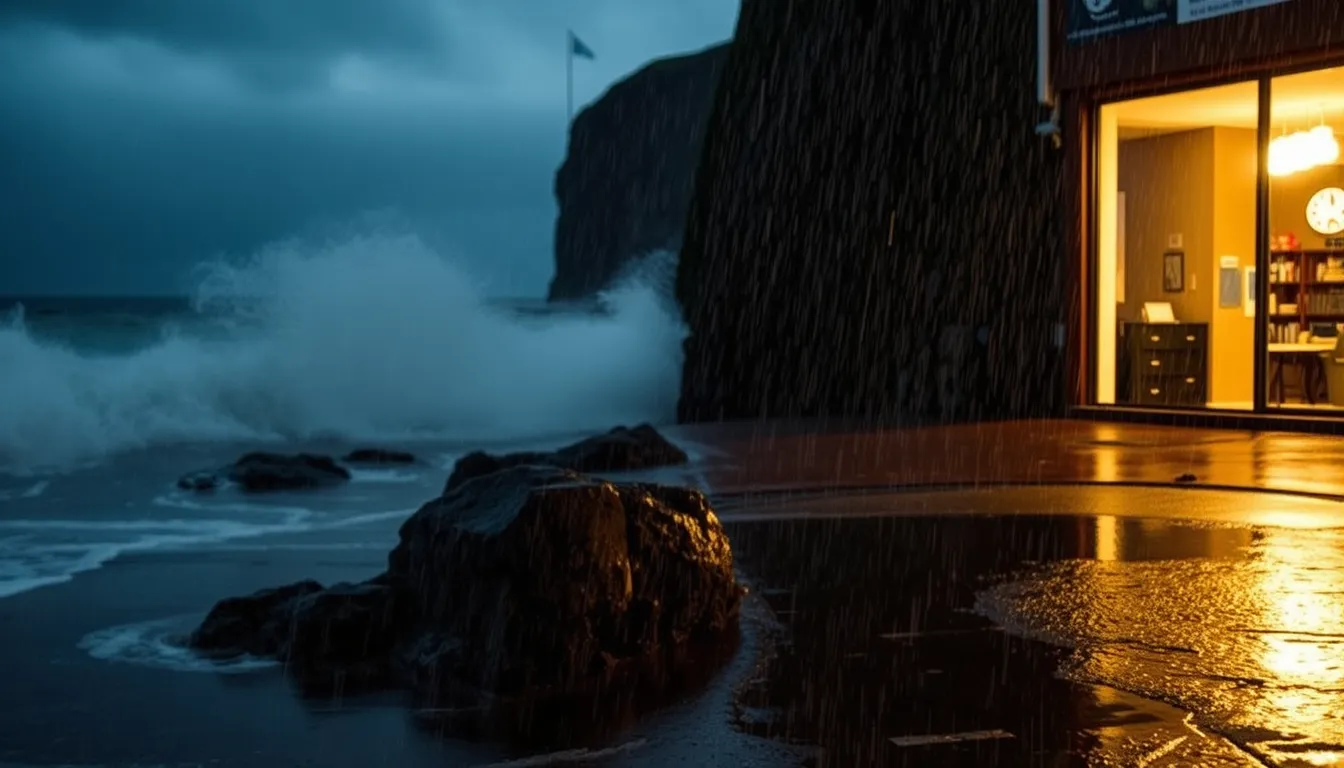
If you spent last week wondering whether the sky had forgotten how to stop, you were not imagining it. Between 20 and 27 October, England recorded its wettest seven days since October 2024, and the South West took the heaviest share. Parts of the region saw as much as 87mm, a deluge that arrived as two named storms, Austen and Boelo, rolled in off the Atlantic one after the other.

For those of us living across Cornwall, Devon, Dorset and Somerset, the immediate effect was obvious: flooded lanes, swollen streams and gutters that could not keep up. The longer-term story is more complicated. Much of the country is still officially in drought, and severe drought conditions remain in place across parts of Cornwall, Devon, Dorset, Somerset, East Sussex and West Sussex. A single wet week does not undo months of dry weather, and the Environment Agency has been clear that the ground and water supplies need sustained rainfall to recover.
The headline figure is encouraging. England is now around 11 per cent wetter than the long-term average for October. River levels rose at all but two of the monitoring sites the agency tracks, which means most of our local catchments moved in the right direction. Still, the water has to stay in the system, and that depends on what the weeks ahead bring.
Who Feels the Impact Most Directly
Farmers are often the first to notice when the weather turns, and this week was no different. Fields that had been baked hard over summer suddenly became waterlogged, and anyone working the land across the South West will tell you that the timing of rain matters as much as the amount. Too much at once runs off the surface rather than soaking in, which is why the relief for drought-hit ground is more partial than it looks on the map.
Tourism is another story worth following. Many of the businesses in Newquay and along the north Cornwall coast rely on visitors arriving through autumn half-term and beyond. Surfers heading to Fistral Beach will have found big, messy swells and a lot of rain-soaked car parks, and owners of dog friendly accommodation have been fielding questions from guests wondering whether walks will be possible. Local cafes and shops have already adjusted their plans, offering indoor activities and quick-dry gear, and the message from many of them is simple: the coast is still very much open, and a wet forecast is no reason to stay away.
Water companies and households are also part of this picture. Drought restrictions are still in force in many areas, so the rain does not mean we can stop thinking about how we use water. Small habits, like shorter showers and running dishwashers only when full, still make a difference while reservoirs and groundwater are recovering.
What to Watch Next and How You Can Help
The most useful thing residents can do right now is keep an eye on official updates rather than relying on social media rumours. The Environment Agency publishes river levels, flood warnings and drought status, and it is worth checking them before travelling on rural roads or planning a walk near a river. If you live near a watercourse, sign up for flood alerts so you hear about rising levels early.
If you are planning a trip to the coast, a little preparation goes a long way. Check the weather and tide times, and look up local guidance before you go. Dog owners in particular should check the seasonal rules on dog on beaches at each destination, as restrictions vary and can change through the year. Many popular spots are dog friendly out of season but restricted in summer, so a quick look at the council website avoids an unpleasant surprise on arrival.
Finally, keep an eye on what comes next. Forecasters are watching for further unsettled weather, and whether the South West can move out of drought will depend on the months ahead, not just one stormy week. If you have seen flooding, blocked drains or river changes near your home, tell us at BBC Cornwall or BBC Devon. Your reports help build the local picture and make sure the right people know what is happening on the ground.
Source: Wettest week for two years during named storms