Newquay Locals: Fridge Safety Tips for Healthy Leftovers
Local Takeaways and the Two-Day Rule
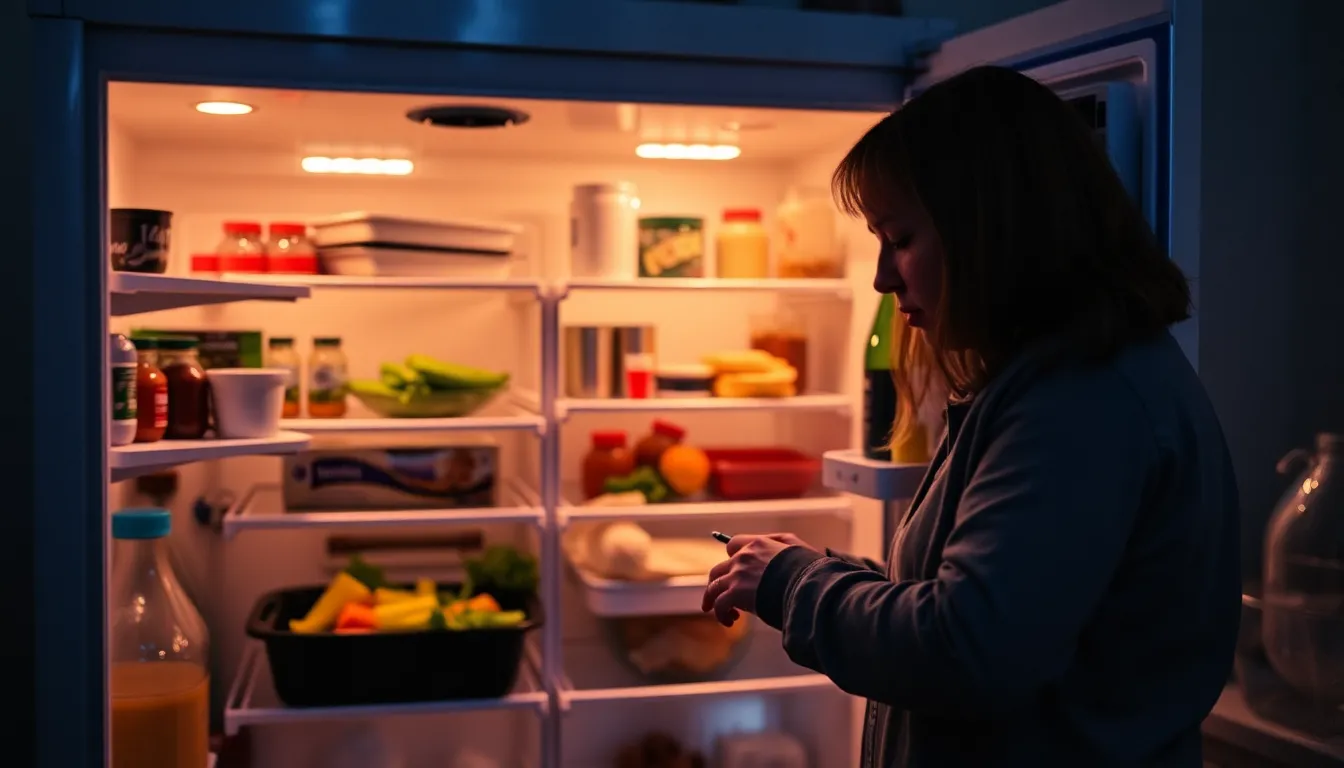
For Newquay residents enjoying the town’s diverse takeaway options, understanding safe food storage is paramount to prevent illness. BBC health expert Dr. Xand van Tulleken recently offered vital guidance on fridge safety, particularly concerning leftovers. He revealed a crucial ‘maximum rule’: even if your delicious curry, pizza, or Chinese takeaway looks and smells perfectly fine after a couple of days in the fridge, it’s safer to discard it. The expert states that two days is the absolute maximum for storing leftovers. It’s remarkably easy to lose track of when food was originally ordered, often leading us to mistakenly believe it’s been in the fridge for less time than it actually has. Following this simple two-day guideline can significantly reduce the risk of food poisoning, ensuring that local families stay healthy and well after enjoying their favourite meals.

Beyond Leftovers: Milk, Cheese, and Defrosting Safely
Dr. van Tulleken also shed light on other common fridge misconceptions, particularly concerning milk and cheese. While many rely on the ‘sniff test’ for milk, he issued a stark warning: milk can harbour dangerous bacteria that produce no noticeable odour, making the sniff test unreliable. His advice is to discard milk two days past its use-by date, regardless of smell. For optimal freshness, keep milk in the main body of the fridge, not the door, as the door’s temperature fluctuates more. When it comes to cheese, hard varieties like cheddar can have mould carefully trimmed off with a wide margin, but soft cheeses should be discarded if mould appears, especially for pregnant individuals due to Listeria risk. Furthermore, Dr. van Tulleken strongly advised against defrosting food at room temperature, emphasising that food should always be defrosted slowly and safely in the fridge to prevent bacterial growth.
Essential Fridge Organisation for Newquay Homes
To ensure peak food safety in every Newquay home, proper fridge organisation, particularly for raw meats, is crucial. Dr. Xand highlights that the lowest shelf in your fridge is the ideal spot for raw meat, fish, and shellfish, as it’s typically the coldest area and prevents any drips from contaminating other foods. The bacteria that grow on these items are often far more dangerous than those found on other food types, making careful storage paramount. Whether you’re packing a picnic for a day at Fistral Beach or returning home after enjoying the local attractions, understanding these fridge safety insights helps keep everyone safe. For those who frequently go to Newquay and enjoy our vibrant local scene, knowing how to properly store and prepare food ensures that your family can enjoy all the area has to offer without the worry of illness from improperly handled leftovers or ingredients.
Source: BBC expert gives ‘max time’ takeaway leftovers can stay in fridge