Scilly’s Housing Crisis: 10 New Homes Bring Hope to Island Workers
A Lifeline for Island Workers Facing Summer Tent Living
Healthcare workers, teachers, and essential staff on the Isles of Scilly have faced an unthinkable choice: abandon their island home or pitch a tent during peak season. The housing crisis has left many key workers cycling through short-term holiday lets, unable to establish stable lives on these beautiful islands off the Cornish coast. Some residents have even resorted to camping at local sites when accommodation becomes impossible to secure. The situation mirrors challenges facing remote coastal communities across the Southwest—where much like those seeking dog friendly accommodation near Fistral Beach or planning to visit Newquay, seasonal tourists often outbid local workers for housing. The Council of the Isles of Scilly formally declared a housing emergency four years ago when several families nearly left permanently. Now, with support from the Duchy of Cornwall and Prince William’s vision for purposeful landstewardship, real solutions are emerging. The Telegraph development represents the first significant intervention, with plans already underway to expand further once these initial homes are completed.

Building on Remote Islands: A Logistical and Community Puzzle
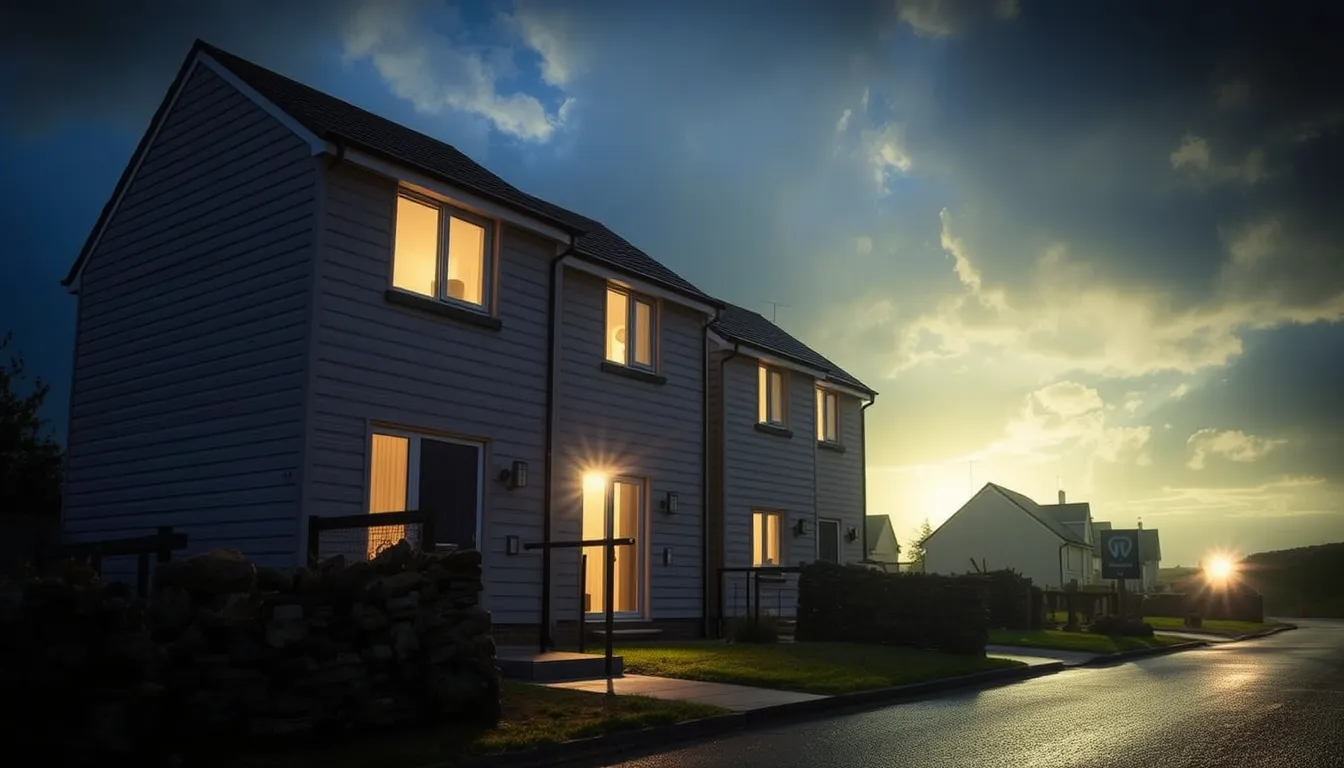
Constructing homes on the Isles of Scilly presents challenges most mainland builders never face. Every brick, beam, and screw must travel by boat, requiring careful stockpiling and meticulous planning. SJ Quick and Sons, the Penzance-based contractor leading the Telegraph project, has adapted innovative strategies to make the development possible. Workers live on-site in intensive rotation—12-hour days, seven days weekly—before earning well-deserved breaks. Equipment arrives via landing craft; diggers and machinery demand specialist transport. Weather compounds difficulties; this winter’s relentless rain tested resolve while cargo ship outages briefly halted material deliveries. The 10 timber-framed homes being built feature sustainability at their core: solar panels and electric vehicle charging points reflect modern environmental standards. Completion is targeted for January, with subsequent phases planned to deliver 20 additional properties. The project demonstrates that island living, though logistically demanding, remains feasible when communities and developers commit genuinely. Local organisations including the Council are working closely with the Duchy to identify tenants fairly from the many deserving applicants.
What Residents Should Know: The Path Forward for Island Living
Local residents should understand this development signals genuine commitment to sustaining island communities. Tim Dean, cabinet member for housing, emphasises significant work remains despite this progress. Tourism’s seasonal nature—similar to pressures affecting coastal communities near Fistral Beach or anywhere families go to Newquay—creates competing demands. Property owners, understandably, maximise income by renting to holidaymakers during summer months, leaving workers without homes. This development directly addresses that tension by creating dedicated long-term rentals for those providing essential services. The selection process will face difficult choices given overwhelming demand. Beyond Telegraph, the Duchy has identified additional land for 20 more homes, though community members should expect phased development rather than immediate solutions. Residents can support local businesses like SJ Quick and Sons, encourage neighbours to participate in community planning, and engage with council consultations about future developments. Watch for announcements regarding tenant selection, phase two timelines, and any public funding opportunities. The islands’ future depends on retaining workers—teachers, nurses, and tradespeople—who make island life sustainable. This housing initiative isn’t luxury development; it’s essential infrastructure for community survival.
Source: Duchy builds homes to tackle islands housing crisis