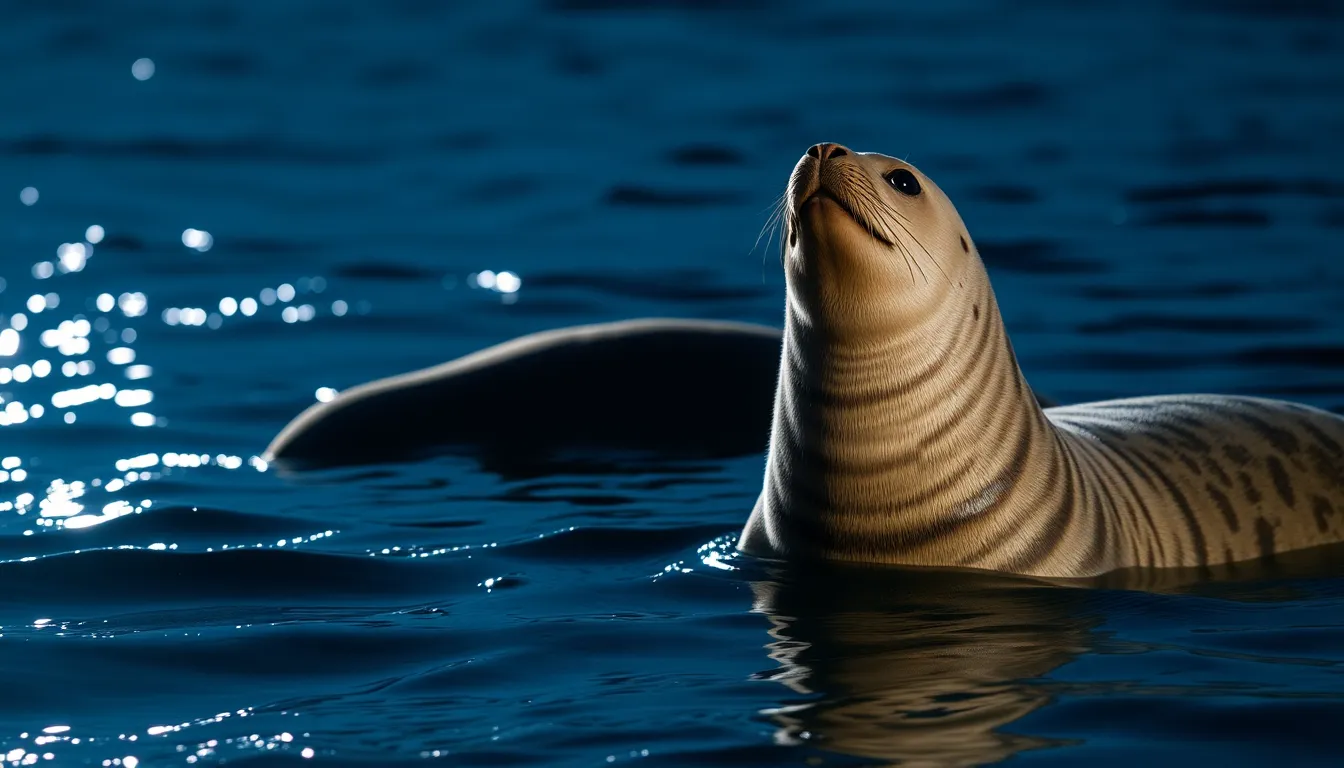
Cornish campaigners push for flying ring ban to protect seals
A Hidden Danger on Our Beaches
When families visit Newquay and other coastal spots across Cornwall, many pick up inexpensive flying rings—those simple plastic toys sold for just £1 or £2 at seafront shops and stalls. What shoppers often don’t realise is that these seemingly harmless beach toys are becoming a serious threat to our local seal populations.

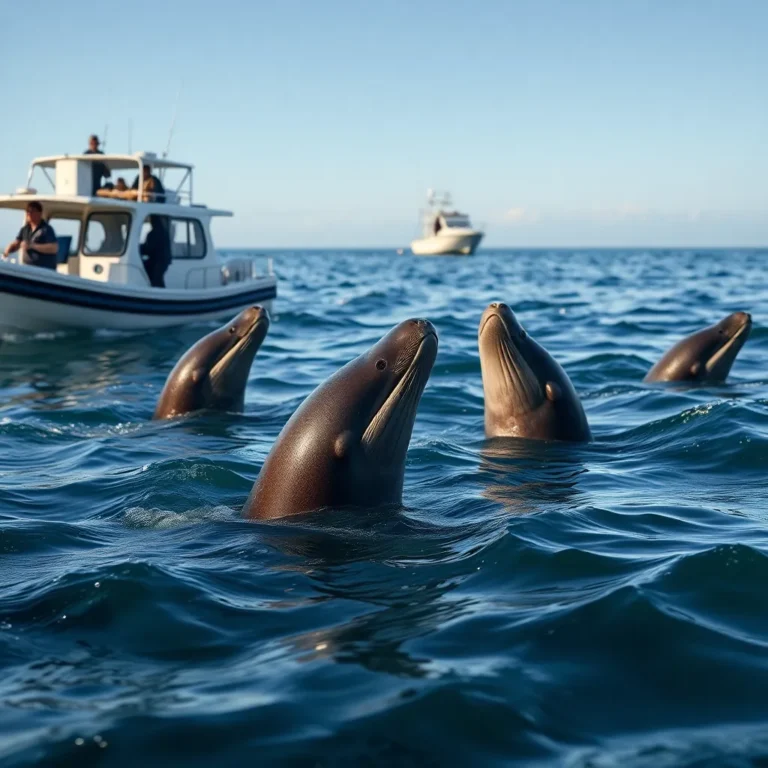
Sue Sayer, founder of the Seal Research Trust and chair of the Seal Alliance, has witnessed firsthand the devastating consequences. She’s now leading a campaign to push for a UK-wide ban on the rings, taking the issue all the way to Westminster. The problem is straightforward but tragic: seals, driven by natural curiosity, investigate floating objects as potential playthings. When a ring slips over a seal’s head, it cannot be removed. As the animal grows, the plastic cuts deeper into flesh, causing severe infection and excruciating pain that often leads to slow, agonising death. Sayer emphasises that this isn’t about intent—beachgoers have no idea the damage they’re causing—but about raising awareness and taking action to protect the marine life that makes our coastline special.
Real Stories from Our Community
The Cornish Seal Sanctuary, which treats injured seals throughout the region, has documented numerous cases of ring-related injuries. One particularly heartbreaking example is Wings, a seal rescued near St Ives in 2023. The female seal had a flying ring embedded so tightly around her neck that it had begun strangling her—and she’d been suffering with it for a full two weeks before rescue. While Wings survived thanks to dedicated sanctuary staff, many other seals are never found or cannot be saved in time.
These aren’t isolated incidents. Campaigners warn that a single ring can injure multiple marine creatures as it floats through the water after an animal’s death, continuing its cycle of harm. For visitors planning a dog-friendly trip to beaches like Fistral Beach or seeking dog friendly accommodation near Newquay, understanding these risks means being part of the solution. Local businesses, retailers, and residents all play a role in either perpetuating or solving this problem. Cornwall Council took a significant step forward in 2025 by backing a motion to discourage sales of the rings, signalling that our community takes marine welfare seriously.
What Happens Next—And How You Can Help
The campaign’s success depends on public awareness and community support. Sayer stresses that tackling this issue is “a no-brainer for everyone”—it won’t harm retailer incomes or spoil beach fun, because safe alternatives already exist. When you go to Newquay or visit our beaches, consider what toys and items you purchase and discard responsibly.
Local residents should watch for updates as the campaign moves through Parliament. Contact your MP to express support for a ban. Chat with local beach shops about stocking safer alternatives instead. If you spot an injured seal, report it immediately to the Cornish Seal Sanctuary. Share information with friends and visiting families—awareness is the first step toward change. This is an opportunity for our community to demonstrate that we value the wildlife sharing our coastline. By supporting this campaign, we’re protecting seals of all ages, particularly vulnerable youngsters, from preventable suffering. It’s a straightforward ask that requires no sacrifice from any of us, only thoughtfulness and action.
Source: Cornwall group wants ban on flying rings blamed for seal deaths