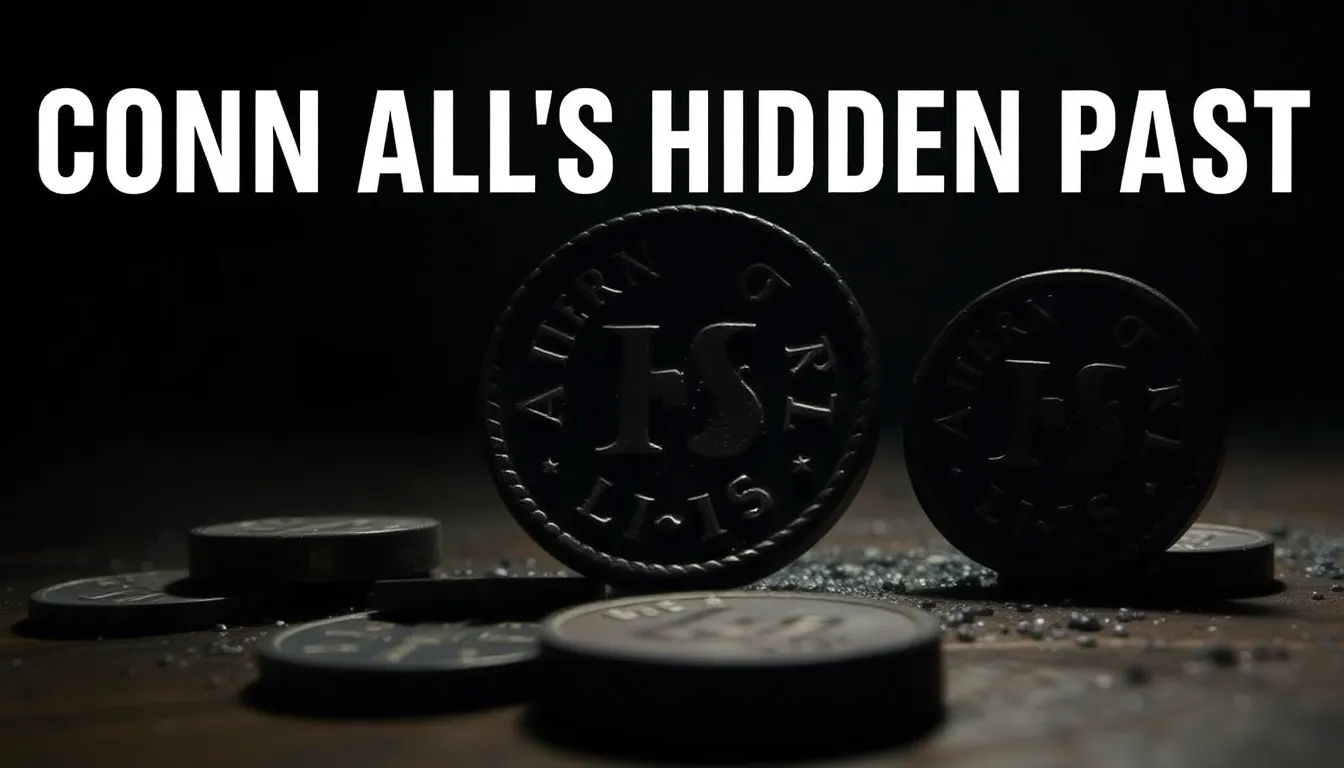
Cornwall’s Hidden Past: Rare 17th-Century Tokens Up For Auction
Unearthing Cornwall’s 17th-Century Currency
Cornwall’s rich history is set to reveal another fascinating chapter as a unique collection of 17th-century trade tokens goes up for auction. These rare ‘coins,’ numbering over 70, served as a crucial form of local currency nearly 400 years ago when official small change was scarce. Amassed over three decades by Cornishman Mac McCarthy, the collection offers an unprecedented glimpse into the daily lives of merchants and residents from towns all across the county, including St Keverne, Penzance, Liskeard, and Truro.

Unlike government-issued coinage, these copper tokens were privately issued by individuals and businesses, reflecting the immediate needs of local economies. Each token is a miniature piece of history, bearing the mark of a specific trader and often the year it was minted, some dating back to as early as 1656. Peter Preston-Morley, special projects director (numismatics) at Noonans, the Mayfair auction house handling the sale, highlights their significance: ‘Tokens provide the sort of fascinating, gritty local detail that other records miss.’ For Cornish communities, this collection is more than just valuable artefacts; it’s a tangible link to their ancestral trades, families, and the very foundations of their local economies.
Tokens That Tell Personal Stories
These tokens do more than just represent historical commerce; they tell deeply personal stories of the individuals who issued and used them. Among the collection are several incredibly rare pieces, each with a unique narrative. Take, for example, a previously unpublished farthing from 1656, believed to be linked to James Ingleton of St Keverne, estimated to fetch up to £800. Another poignant item is a rare farthing from Morval, near Liskeard, associated with Joseph Upcott. His untimely death left his wife Anne with significant debts, a stark reminder of the financial struggles faced by ordinary people centuries ago.
Perhaps one of the most intriguing stories belongs to Ursula Spurr of Penryn, whose 1668 farthing brings to light a family drama. Her father’s will from 1658 suggests she was married to an ‘unsatisfactory husband,’ leading him to arrange her inheritance to protect her financial future. Such details, uncovered through meticulous historical research alongside these tokens, paint a vivid picture of the social fabric of 17th-century Cornwall. These are not just objects; they are echoes of human lives, triumphs, and tribulations, offering a profound connection to our local heritage.
Connecting Past and Present Cornwall
The upcoming auction, which will feature the first dedicated book focusing solely on Cornish tokens, represents a remarkable opportunity for historians, collectors, and anyone with a passion for local heritage to connect with Cornwall’s past. From Arthur Try of Barripper near Camborne, whose 1666 farthing is believed to be the only known specimen for his village, to the numerous other traders from towns like Falmouth and St Ives, these tokens offer unparalleled insight into daily life.
For those planning to visit Newquay, or exploring other parts of our beautiful county, understanding the deeper historical context these tokens provide can enrich the experience, offering a glimpse into the industrious and resilient spirit of past Cornish generations. The sale, scheduled for Wednesday, April 22nd, at Noonans in Mayfair, London, is more than just an auction; it’s a celebration of Cornwall’s enduring identity and the meticulous records left by its resourceful inhabitants. It reminds us that even in the absence of official currency, communities found innovative ways to thrive and leave their mark.
Source: Unique Cornish ‘money’ from nearly 500 years ago is going up for grabs