Cornwall’s First Wild Praying Mantis Sighting Sparks Community Buzz
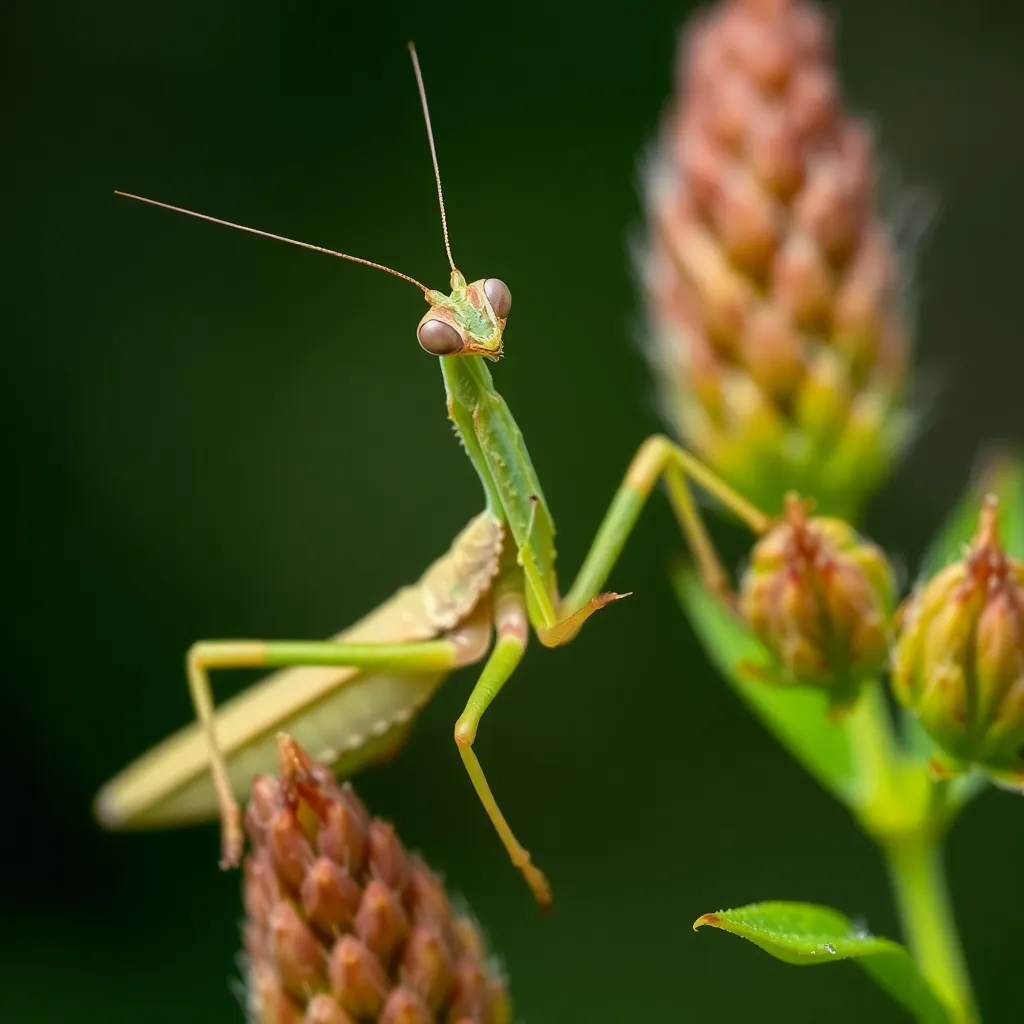
In mid-September, a significant wildlife event occurred in Truro, Cornwall, when retired lecturer Dave Spencer, 67, made what is believed to be the county’s first confirmed wild praying mantis sighting. Initially mistaken for a stick insect in his garden, the specimen was identified as a European mantis (Mantis religiosa). This discovery has sparked considerable local interest among conservationists and the community, highlighting the dynamic nature of regional biodiversity.

The sighting was swiftly confirmed by the Cornwall Wildlife Trust and the national Mantis Study Group. Experts are investigating how the insect arrived in Truro. Theories suggest it was either blown across the English Channel from continental Europe or hitchhiked on imported goods. The Cornwall Wildlife Trust acknowledges these possibilities, demonstrating how species can unexpectedly appear in new territories, prompting local discussion about ecological changes.
This event holds significant community relevance, encouraging local residents to participate in citizen science by reporting unusual wildlife sightings. The Cornwall Wildlife Trust emphasizes the public’s vital role in monitoring biodiversity and contributing to scientific understanding. This Truro mantis sighting aligns with a broader national trend: praying mantises are increasingly observed in southern England, particularly Kent and Sussex, where milder winters and warmer summers—potentially linked to climate change—are creating more hospitable conditions for their establishment.
For Cornwall, this rare occurrence provides valuable data on species distribution and environmental shifts. It initiates local dialogue about new species, climate change adaptation, and native ecosystem preservation. The Mantis Study Group relies on public reports like Spencer’s to track these movements, making the Truro sighting crucial for understanding this insect’s potential establishment in the far west of England and inspiring greater community engagement with local natural history.
(Source: https://www.bbc.com/news/articles/c0lk2negk0po?at_medium=RSS&at_campaign=rss)