Cornish Shoppers Amused by Welsh Signs in Helston Supermarket
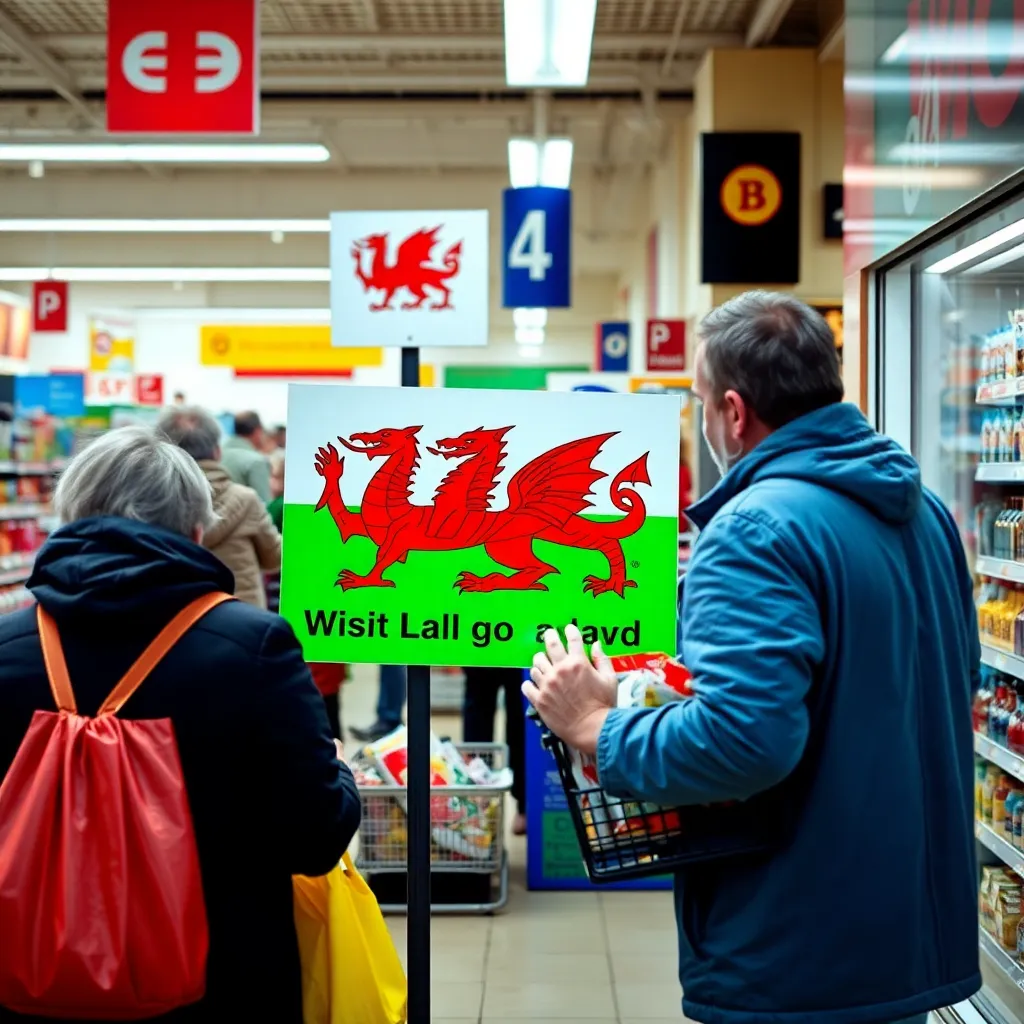
The town of Helston in Cornwall recently experienced a moment of unexpected cultural intersection, sparking amusement among residents and shoppers. The local Tesco supermarket became the focal point of this intriguing situation when a series of bilingual signs, identified as Welsh, prominently appeared within its premises. This occurrence garnered attention, given Helston’s deep roots in Cornish identity and language, which maintains its own distinct Celtic heritage separate from Welsh. The appearance of Welsh language signage in a Cornish retail environment naturally prompted a degree of good-natured surprise and discussion amongst the community.

For many in Cornwall, the preservation and promotion of their unique language and culture are matters of significant local pride and importance. The Cornish language, Kernewek, though distinct, shares a common Brythonic lineage with Welsh, yet the two are not mutually intelligible, and their respective cultural spheres are clearly defined. Therefore, the presence of Welsh signage, rather than Cornish or standard English-Cornish bilingual signs, in a prominent supermarket like Tesco in Helston, likely highlighted these linguistic and cultural distinctions in a playful manner. It became an event that subtly underscored the strong sense of regional identity prevalent in Cornwall, where any deviation from expected cultural norms, even a seemingly minor one involving supermarket signage, can become a talking point.
The incident, as reported by Emma Gill, likely served as a lighthearted reminder of the diverse linguistic landscape of the British Isles and the sometimes humorous overlaps or confusions that can arise. It may have prompted conversations among shoppers and local residents about bilingualism, regional languages, and the specific cultural nuances that differentiate Cornwall from its Celtic cousins. While the exact cause of the Welsh signs appearing in a Cornish Tesco remains unstated, whether it was a logistical mix-up, a temporary display, or an error, the community’s response of ‘amusement’ suggests a generally positive, or at least bemused, reception rather than one of offense or anger. This small event in a Helston supermarket thus offered a brief, amusing moment that resonated with the local community’s awareness of its own unique cultural standing within the broader Celtic world.
(Source: https://www.bbc.co.uk/sounds/play/p0n01l34?at_medium=RSS&at_campaign=rss)