GWR Staff Vote for Strike Action Over Pay and Rostering Changes
What Has Happened on the Line
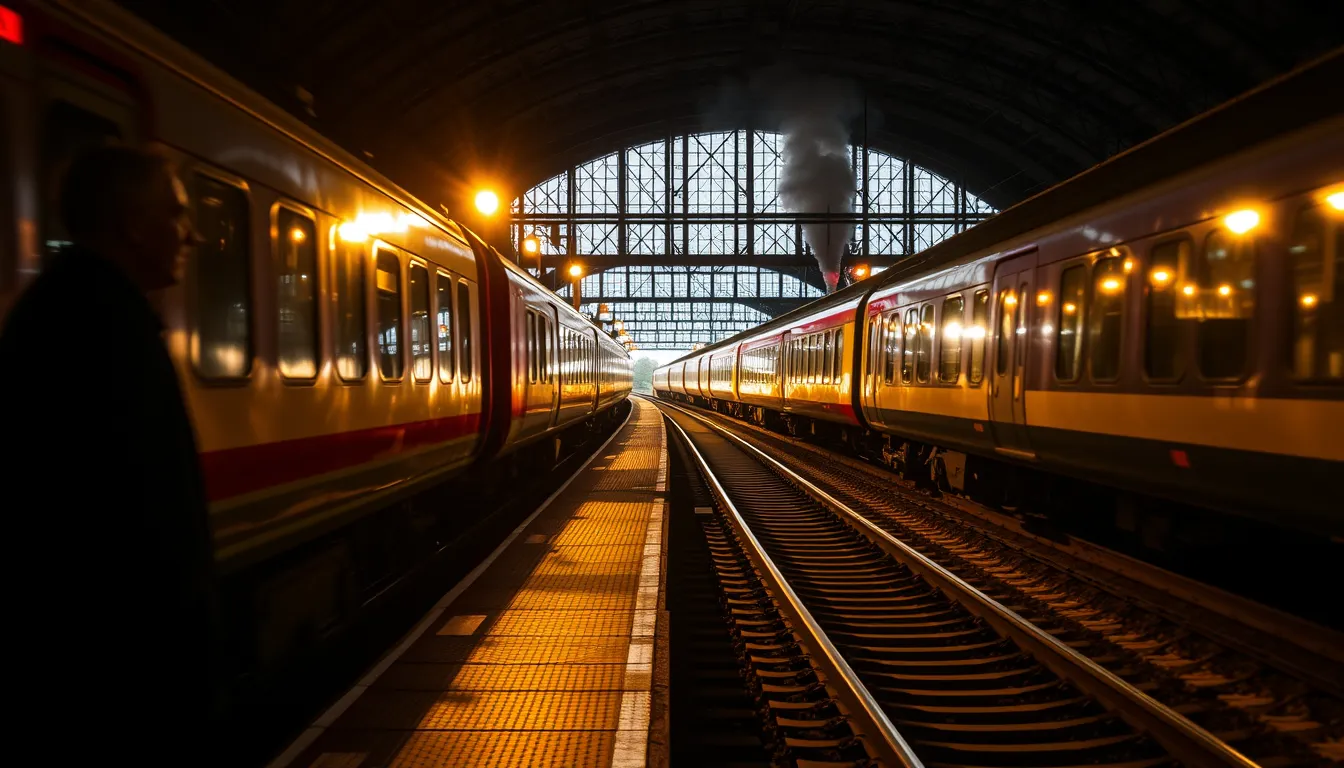
Some Great Western Railway staff have voted in favour of industrial action, and for anyone who relies on GWR to get across Bristol, Bath or the wider region, it is a development worth watching closely. The Transport Salaried Staffs Association, the union representing the workers, says separate ballots across different parts of the business produced strong support. Among members in rosters and resources, 85% voted for strikes or other action short of a walkout. In train service delivery and performance strategy, 71.5% backed the same step. Crucially, no dates have been set for any walkout, so the timetable you use this week is unchanged. The union’s general secretary, Maryam Eslamdoust, has warned that action is now inevitable unless the company addresses what she calls legitimate demands. Her central complaint is that workloads have risen without any matching change to grading or pay. GWR’s spokesperson says the company is still talking with staff and their union representatives to reach a mutually beneficial agreement and avoid disruption. The railway operates high-speed, commuter and regional routes from London Paddington through the Thames Valley, into south Wales, Gloucestershire and the south-west, including the branch line that links Cornwall’s coast to the wider network. That breadth means any dispute here is felt across a very large part of the region.

Who Is Affected and Why It Matters
The people at the centre of this dispute are not drivers or platform staff but the planners, schedulers and performance specialists who keep trains running to plan. Their work determines which crews are where, how services are reshuffled when something goes wrong, and how performance is measured and reported. The union says these roles have grown heavier, yet the pay and grading structure has not kept pace. A key request is for flexible allowances linked to shift work to be folded into basic pay. That matters for two reasons. First, it would give staff more stable earnings, since allowances can fluctuate from month to month. Second, because pension contributions are often calculated from basic pay, moving allowances into it could strengthen retirement benefits over time. For households, the practical effect is more predictable income for those who keep the timetable running. For passengers, the stakes are simple: if these staff walk out, the disruption could be significant because their work is what makes replacement services possible. Local businesses that depend on commuters and day-trippers would also feel the knock-on effects, from cafes near stations to hospitality venues along the coast that rely on rail visitors.
What Residents Should Do Next
For now, there is no need to change plans, but it is sensible to stay informed. Check National Rail Enquiries or the GWR app before you travel, and sign up for service alerts so you hear about cancellations early. If you are commuting, consider identifying a backup route or flexible working arrangement in case strike dates are announced with short notice. Travellers heading west should plan ahead too. If you are thinking about a seaside break, now is a good time to book, and to check whether your accommodation is genuinely dog friendly if you are bringing a four-legged companion. Many coastal places have their own rules on dogs on beaches, particularly during summer months, so it is worth confirming those before setting off. Visitors who want to go to Newquay can still enjoy the sand and surf at Fistral Beach, but it is best to build in extra time in case of changes to rail services. Finally, keep an eye on updates from the union and the company. Watch for announced ballot results, formal strike dates and any negotiated deal. The next meaningful step will be whether talks produce movement on allowances and grading before any walkout is called.
Source: Great Western Railway workers vote in favour of strike action