Nare Head bunkers reveal Cornwall’s wartime and Cold War secrets
Two bunkers, two very different missions
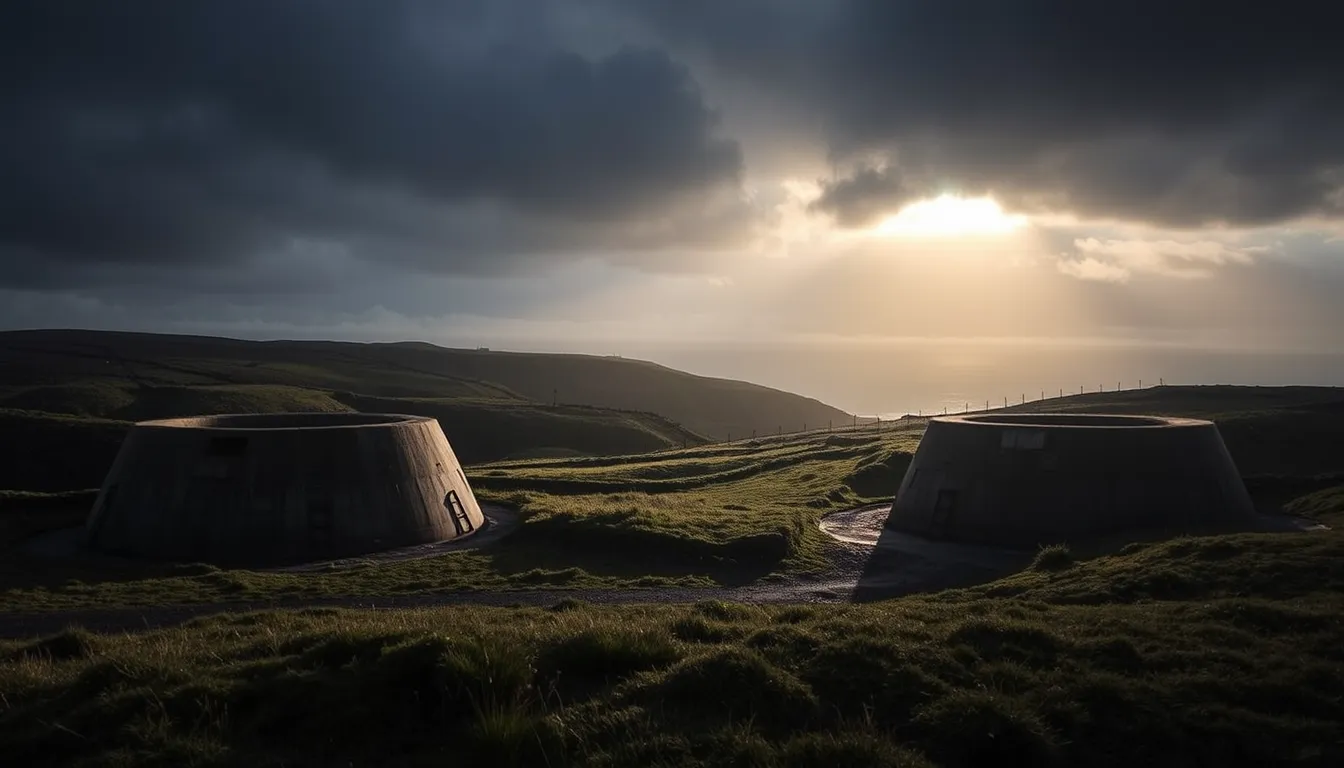
Tucked away on the rugged headland at Nare Head, on the Roseland Peninsula, two unassuming concrete structures tell a story most walkers never notice. One is a Second World War decoy bunker, built as part of Britain’s wartime deception effort. Its purpose was to draw enemy bombers away from real targets, a reminder of how much ingenuity went into protecting the country from the air. The other is a Cold War nuclear monitoring bunker dating from the 1960s, a far more sobering reminder of how quickly the threat changed after 1945.

Anyone who has walked the coast path here will know how easy it is to stroll past. The bunkers sit low in the landscape, blending into the grass and granite, and it takes a moment to realise what you are looking at. That quiet anonymity is part of what makes them so striking. Local people have always known they were there, but for many visitors, especially those passing through on their way to the beaches around St Mawes and Portscatho, they remain a curiosity rather than a story.
For residents, the bunkers are more than a historic oddity. They are a physical link to the years when ordinary people kept watch over the skies and the fallout risk from nuclear weapons. Understanding that context helps explain why these sites matter to the wider heritage of Cornwall, and why they deserve the care they now receive.
The volunteers keeping the story alive
The Royal Observer Corps played a central role in both periods. During the war, volunteers spent long hours watching the skies and reporting aircraft movements across the country. As the Cold War took hold, the organisation’s mission shifted to measuring the effects of a possible nuclear attack. Its members gave up their spare time for generations, and the corps did not stand down until 1995.
Today, many of those former observers are helping to make sure their work is not forgotten. Working alongside the Roseland ranger team, National Trust volunteers open the bunkers to the public each year and lead guided tours that take visitors underground. Some of the tour leaders are themselves former Royal Observer Corps members, and their first-hand memories bring the cramped spaces and tense decades to life in a way no information panel could manage.
That partnership has now been recognised nationally. The National Trust’s Roseland team has received the Royal Observer Corps Association Heritage Award, the bronze Spitfire trophy, which marks twenty years of working together. Lawrence Holmes accepted the award on the team’s behalf at the association’s annual meeting in Derbyshire. Harriet Wherry, the Trust’s lead ranger on the Roseland, said the honour belonged to the whole team, and she stressed how much the volunteers’ personal knowledge adds to the experience.
What Roseland visitors should know before going
If you are planning a trip to the Roseland this year, the bunkers are well worth building into your day. Guided tours are the only way to step inside, and they are currently scheduled to return in 2027, so check National Trust listings before you set off rather than turning up expecting access. Because the bunkers are easy to miss, it is also sensible to ask the ranger team for directions or follow the signed route across the headland.
The headland itself is exposed and can be windy even on a calm summer day, so sturdy footwear and a waterproof layer are essential. Parking is limited at quieter points along the Roseland, so arriving early helps. Dogs are welcome on many stretches of the coast path, but owners should check the latest guidance for the National Trust land and keep dogs under control near livestock and nesting birds.
For those staying further afield, the drive from Newquay takes around an hour, which makes the Roseland a good option for a day out if you plan to visit Newquay for its beaches and surf. Combining a morning of history with an afternoon by the sea is a simple way to see another side of the county, and it is exactly the kind of local heritage that deserves more visitors who will stop, look properly and ask about the stories behind the concrete.
Source: Hidden Cornish bunkers reveal their wartime secrets