
Dartmoor Ponies Get GPS for Wildflower Conservation
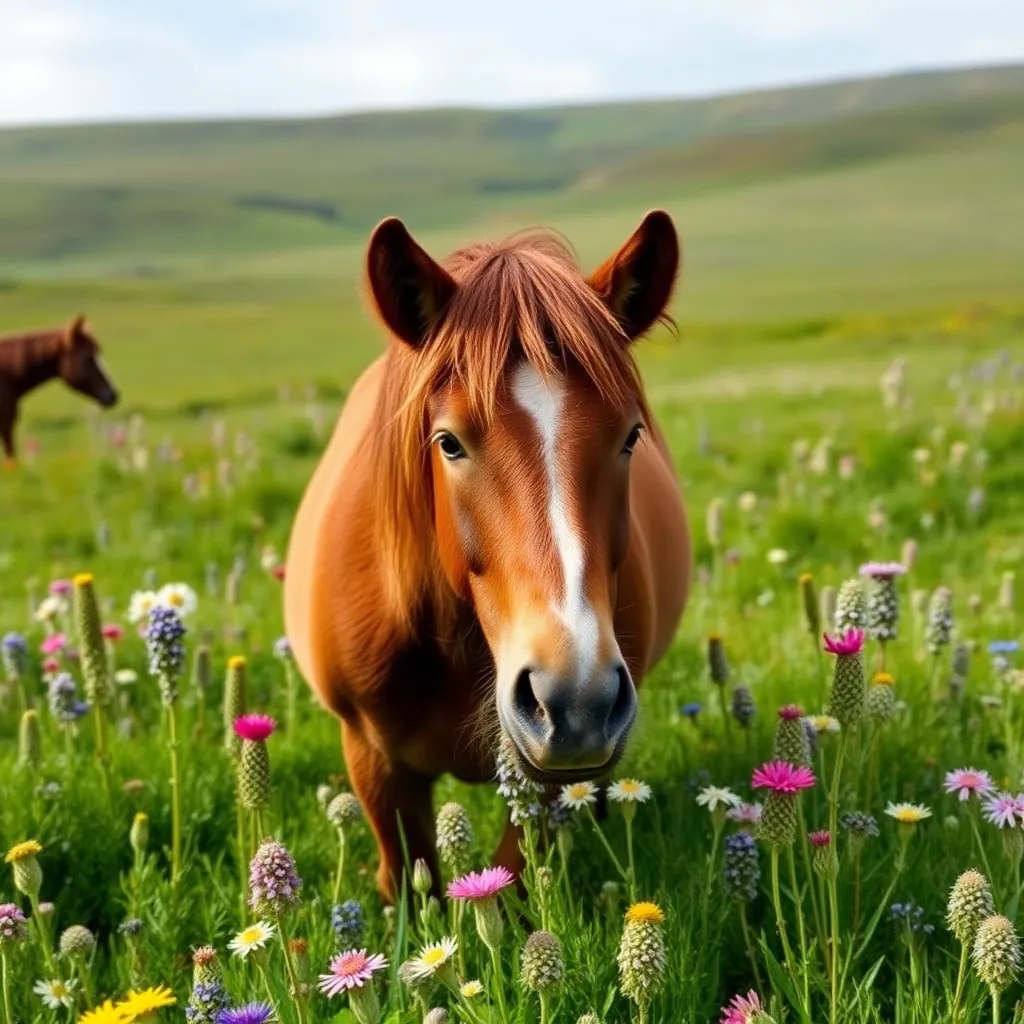
The National Trust has initiated a crucial conservation effort on Dartmoor, deploying GPS tags on Dartmoor ponies grazing the moor’s wild areas. This strategic “move” is deemed vital for the ecological health and biodiversity of this iconic landscape. The core principle driving this project is the understanding that the ponies’ natural grazing patterns are indispensable for promoting the flourishing of wildflowers. By allowing these native animals to roam and feed, they naturally manage vegetation, preventing overgrowth and cultivating diverse habitats essential for a wide array of plant and insect species. This intervention underscores the National Trust‘s commitment to maintaining Dartmoor’s unique ecosystem, ensuring its resilience for future generations.

The local impact of this program is significant, directly contributing to the preservation of Dartmoor’s natural heritage. The project targets specific wild grazing areas across the moor, where optimized management yields maximum benefits for flora and fauna. The National Trust leads this effort, recognizing Dartmoor ponies not merely as symbols but as active partners in ecological restoration. Their controlled grazing acts as a natural mechanism, clearing space for native wildflowers to bloom, which supports pollinator populations and enhances the overall health of the moorland environment. This approach exemplifies a sustainable conservation model, integrating traditional grazing with modern monitoring technology for measurable ecological improvements.
The community relevance of this initiative extends beyond ecological benefits to Dartmoor’s cultural fabric. The ponies are an integral part of the moor’s identity and history, their well-being intrinsically linked to the landscape’s health. By optimizing their grazing for conservation, the National Trust safeguards both biodiversity and the scenic beauty that attracts visitors, thereby supporting local livelihoods and heritage. This proactive step addresses environmental challenges, demonstrating how strategic, technology-guided intervention can enhance natural processes for the long-term benefit of the Dartmoor ecosystem and its connected communities.
(Source: https://www.bbc.com/news/articles/cjw9ejey0qvo?at_medium=RSS&at_campaign=rss)