Wildfire Alert: South West on Red as Heatwave Peaks
Red Alert Weekend: What’s Happening in Our Region Right Now
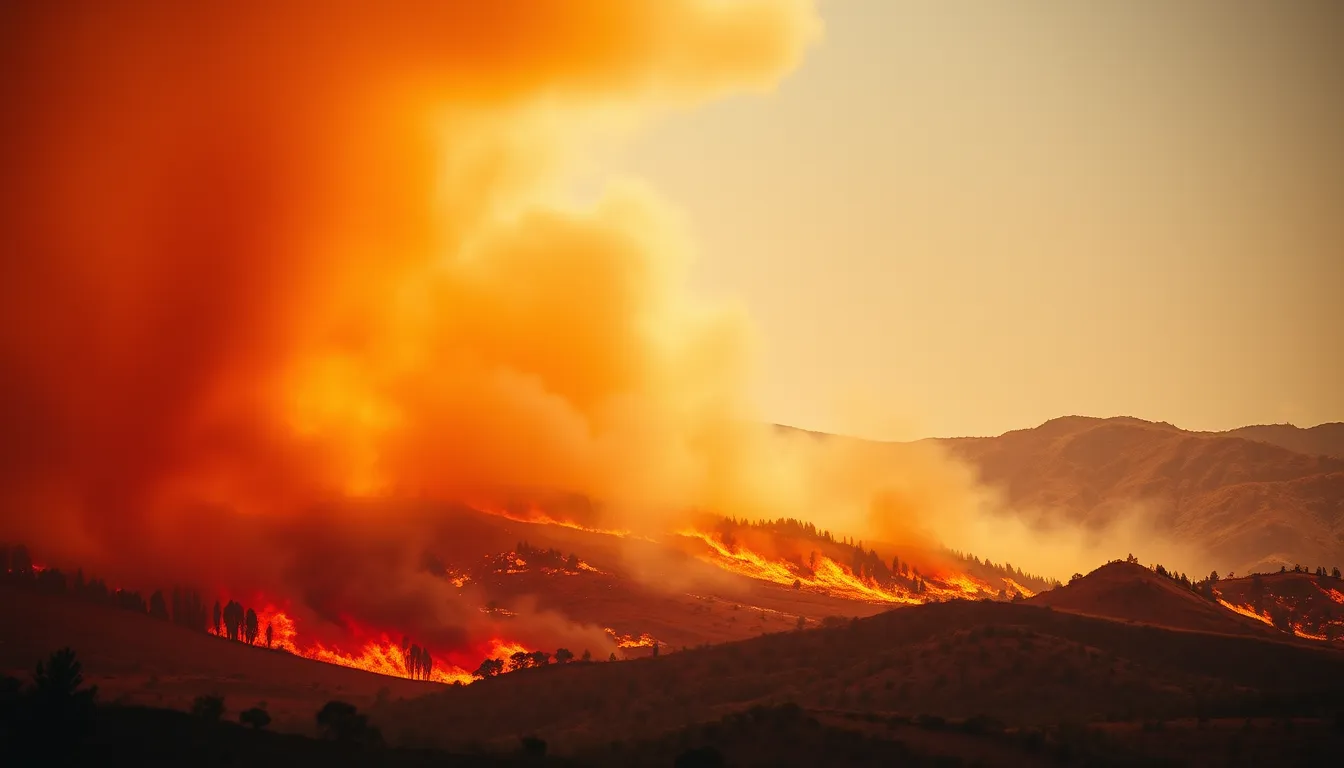
This weekend marks a critical moment for our South West community as wildfire risk levels climb to red—the highest alert status. With temperatures soaring as part of the third significant heatwave this summer, conditions have become what Forestry England describes as “extremely high-risk” for uncontrolled fire spread. The Met Office has issued an extreme wildfire alert running alongside an amber heat health warning affecting the entire region through Sunday evening. For those of us who love the outdoors—whether that’s a weekend trip to go to Newquay or a countryside picnic closer to home—this is a sobering reminder that the hot, dry conditions we’ve experienced since early summer have created a tinderbox environment. Forests, woodlands, and heathland across Devon, Somerset, and surrounding areas are now primed for rapid fire ignition and spread. Katy Mansell, area manager for Forestry England, emphasises that while sunshine and warmth invite us outdoors, the dangers have never been greater. Emergency services across the region are on heightened alert, and crews have already responded to multiple incidents caused by human carelessness this summer alone.

How This Affects Local Communities and Outdoor Plans
For families planning summer activities—beach days at Fistral Beach, dog-friendly accommodation stays, or countryside adventures—this red alert means immediate changes to what’s safe to do outdoors. If you’re visiting Newquay or exploring our local beaches and rural areas with dogs or children, barbecues and open fires are strictly off-limits in any woodland or forest setting. Devon and Somerset Fire and Rescue Service has already attended 51 incidents in woods and forests during 2025, with the vast majority caused by preventable human actions like discarded cigarettes and disposable barbecues. Local businesses supporting tourism, dog on beaches initiatives, and outdoor recreation are facing genuine concerns about visitor safety and potential evacuation risks. Community groups organising summer gatherings must reconsider their plans. Even a small spark—invisible at first—can travel at devastating speed through dry vegetation, potentially threatening homes, infrastructure, and wildlife habitats. For residents in areas near woodlands, understanding evacuation routes and keeping emergency supplies accessible is prudent. The financial and environmental cost of managing even one forest fire stretches local emergency services and takes decades of environmental recovery.
What You Must Do This Weekend and Beyond
The guidance from authorities is unambiguous: never light a fire or barbecue in forests, woodlands, or countryside settings during this period. If you spot a fire beginning in any outdoor space, don’t attempt to tackle it yourself—call 999 immediately and move to safety. Take all litter with you when leaving any natural area, as discarded waste and forgotten items contribute to fire risk. For those planning to go to Newquay, visit beaches, or enjoy dog-friendly accommodation in rural areas, consider indoor dining alternatives or beach picnics using only cold foods. Check fire risk maps before visiting any countryside location. Local residents near woodland edges should clear gutters and debris from roofs, keep gardens watered, and prepare emergency bags just in case. Community organisations should postpone outdoor events involving any form of fire or heat source. The broader message from Forestry England is stark: one careless moment can destroy habitats, kill wildlife, endanger lives, and traumatise first responders for decades. This isn’t about spoiling summer plans—it’s about protecting our communities, our environment, and the people who work tirelessly to keep us safe. Stay alert, stay responsible, and help us preserve our beautiful South West landscape.
Source: Warning over ‘extremely high’ wildfire risk in South West