Cornwall Pauses Weedkiller Use After Massive Public Protest
The Protest at County Hall & The Decision to Pause
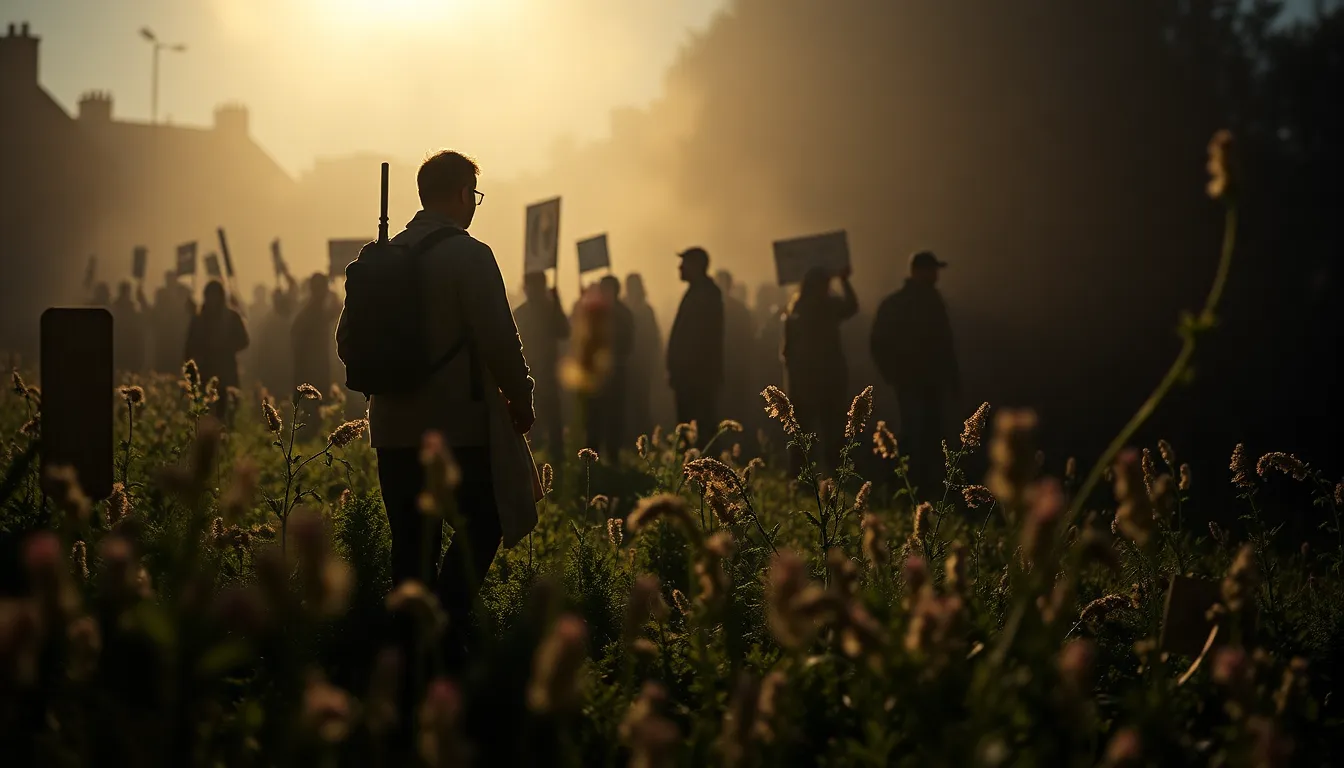
The lively steps of Lys Kernow (County Hall) in Truro became the focal point of community passion this week as over a hundred residents, local campaigners, and environmentalists gathered to protest Cornwall Council’s controversial plans to reintroduce glyphosate weedkiller. Armed with placards and backed by a petition signed by more than 13,000 worried locals, the crowd made their voices heard just as councillors arrived to debate the issue. The outcry was bolstered by an extraordinary letter signed by over 200 Cornish healthcare professionals, including 70 local doctors, warning of the potential health and environmental risks of the chemical. Inside the chamber, the message was received loud and clear. Councillors voted in favour of a motion to pause the rollout of the chemical weed treatment on our urban streets, pavements, and road verges until a thorough, meaningful public consultation takes place. For towns across Cornwall, from the bustling streets of Truro to our coastal communities, this decision represents a vital breathing space. It ensures that local voices—rather than top-down administrative decisions—will shape how our public spaces are maintained and kept safe for families, pets, and native wildlife.

Impact on Our Towns, Coastlines, and Local Businesses
Our unique environment is what defines life in Cornwall, drawing millions of visitors each year to landmarks like the world-famous Fistral Beach. For those who choose to go to Newquay or explore our rugged clifftops, keeping our town centres and coastal pathways free of toxic chemicals is a major priority. Local tourism relies heavily on our reputation as a clean, green destination. Families planning to visit Newquay often look for safe, chemical-free spaces where their children can play, and where they can find high-quality dog friendly accomodation. Many visitors travel with their pets specifically to enjoy running along the sand, making local regulations regarding a dog on beaches a frequent topic of conversation. The Cornwall Wildlife Trust and local town councils have expressed deep relief over the pause, noting that glyphosate poses a severe threat to local bee populations and marine runoff. Initially, town and parish councils were given a mere three weeks—over the busy Easter period—to decide whether to opt out of the chemical programme. Many complained this was a near-impossible timeframe, especially when local budgets were already set. This pause allows communities to explore safer, manual weed-clearing alternatives.
What Happens Next and How Residents Can Get Involved
The debate in the council chamber was undeniably heated, leading to a candid apology from Liberal Democrat leader Cllr Leigh Frost, who admitted the cabinet had “absolutely got this wrong” in how the plans were communicated. Green Party councillor Drew Creek, who introduced the successful motion to pause the chemical use, emphasized that residents want clean streets, but not at the cost of public health or ecological damage. So, what should local residents watch out for next? The council has promised a comprehensive public consultation process. This is your chance to have a direct say in how weeds are managed in your neighbourhood. Residents are encouraged to contact their local parish and town councillors to advocate for non-chemical alternatives, such as manual weeding or thermal control. Keep an eye on local council meeting agendas and public notices for details on how to participate in the upcoming workshops and feedback surveys. By staying active and informed, we can ensure that our beautiful county remains a safe haven for residents, visitors, and wildlife alike, preserving the natural charm of our towns and beaches for generations to come.
Source: Pause on using controversial chemical weedkiller after protest