
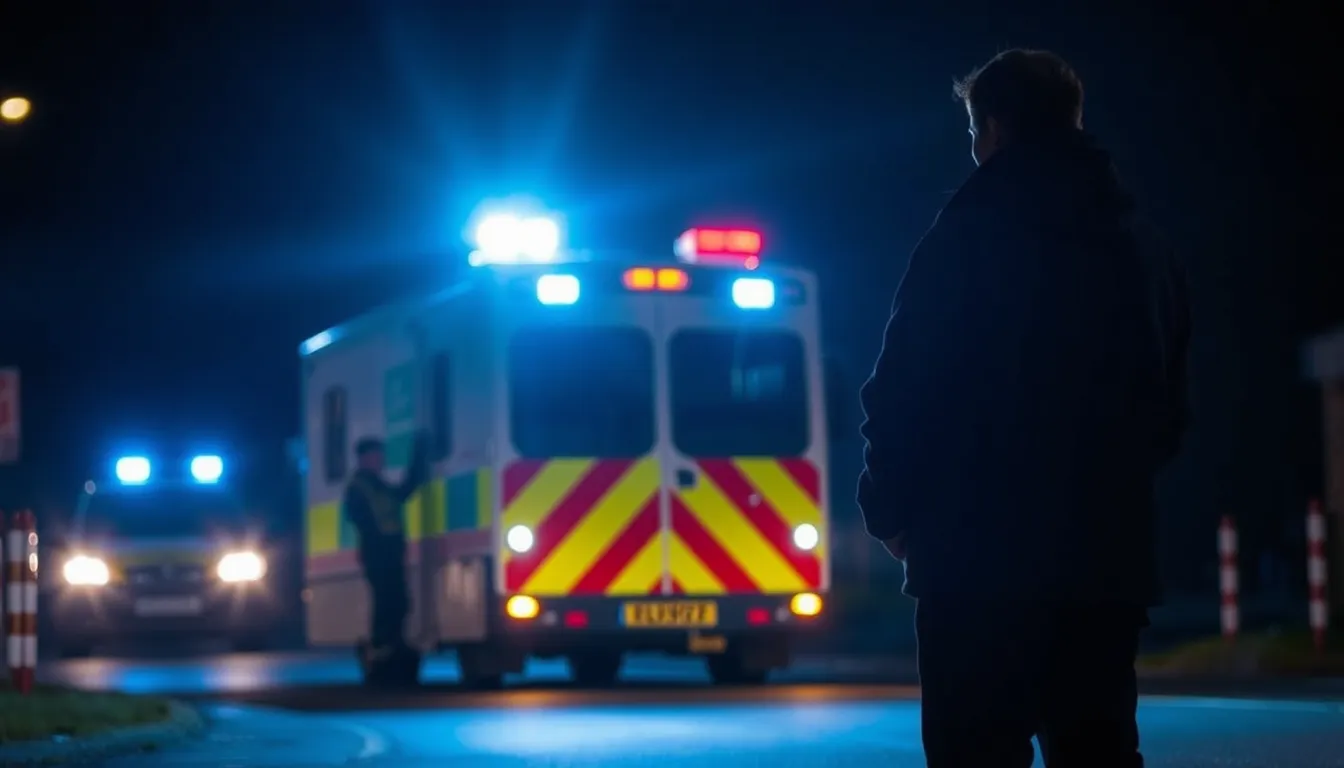
Launceston Couple’s 999 Ordeal at Derriford A&E Delays
A Launceston Family’s Night at Derriford
Anyone who has driven the A30 or the lanes around Launceston knows how far a hospital can feel when someone you love is in trouble. For Andrew and Diane Jones, from a village near the town, that distance became the defining feature of a long night at the end of September. Diane, 78, suddenly fell ill with a perforated colon that was poisoning her body. The couple’s first instinct was to ring NHS 111, but the call went unanswered for seven minutes. They then dialled 999, and ended up calling three times before deciding they could not wait for an ambulance. Instead, their daughter Sienna drove them in her pickup truck along rough rural roads, a journey of around 24 miles to Derriford Hospital in Plymouth. For those of us across east and north Cornwall, Derriford is the region’s biggest hospital and the first place many families head for serious emergencies. It is also the reality behind the phrase ‘a trip to Plymouth’. The journey alone took almost an hour, and it was only the beginning. Andrew’s account is a reminder that for rural communities, the NHS is only as close as the nearest working ambulance, and the drive that follows can be as critical as the treatment itself.

Hours Waiting in a Packed Emergency Department
When the family reached the Emergency Department, Andrew described it as being like a war zone. Patients with toothache and broken fingers sat alongside people who had been drinking, and one man was handcuffed to a wheelchair with two police officers beside him. Diane was in extreme pain and deteriorating, and her family kept asking for help. Hospital guidance says patients showing signs of serious illness should be triaged within 15 minutes of arriving. Diane was assessed by a nurse after 48 minutes, but it took a further three and a half hours before a consultant saw her. Andrew said that when he asked for a doctor, he was told it could be eight hours, and that he was then described as aggressive, something he firmly rejects. Once a consultant recognised how seriously ill she was, Diane went to theatre. The operation was planned as three hours and lasted six. The surgeon later told the family it was one of the most difficult of his career because of the damage. University Hospitals Plymouth and the South Western Ambulance Service have both apologised and say they are under significant pressure. The latest figures are stark. Only 36.2 per cent of patients at Derriford’s Emergency Department were seen within four hours in September, against an England average of 60.6 per cent. The hospital has been at the bottom of national rankings for emergency care for eight months.
What Residents Should Know and What to Watch Next
This story matters beyond one family, so here are practical points for readers across Launceston and the wider county. First, know the warning signs of sepsis: confusion, extreme pain or a feeling of being very unwell, mottled or grey skin, fast breathing, and a sense that someone is getting worse. If you suspect sepsis, do not wait. Call 999 straight away. Use NHS 111 online or by phone for urgent but non-life-threatening problems, and keep a list of current medications with you. Consider the minor injury units and local pharmacies for simpler issues, which eases pressure on busy emergency departments. Second, if you are planning to go to Newquay this summer, remember that the town’s population swells dramatically in peak season, and visitors put extra demand on local services. Check where your nearest urgent care is before you leave, and make sure you know the route to Treliske in Truro or Derriford in Plymouth. Third, watch for the next monthly performance figures and any response from the trusts and the ambulance service about how they plan to reduce waits. The Royal College of Emergency Medicine has voiced concern about pressures on emergency departments across the country, and the coming months will show whether the South West’s position improves. Share your experiences with your local MP or patient group if you have them. Local stories like this one are how systems get scrutinised.
Source: ‘If we’d stayed in the hospital queue, my wife would have died’