Cornwall Council Admits £725k Loss on Historic St Austell Pub
The General Wolfe and the St Austell Community
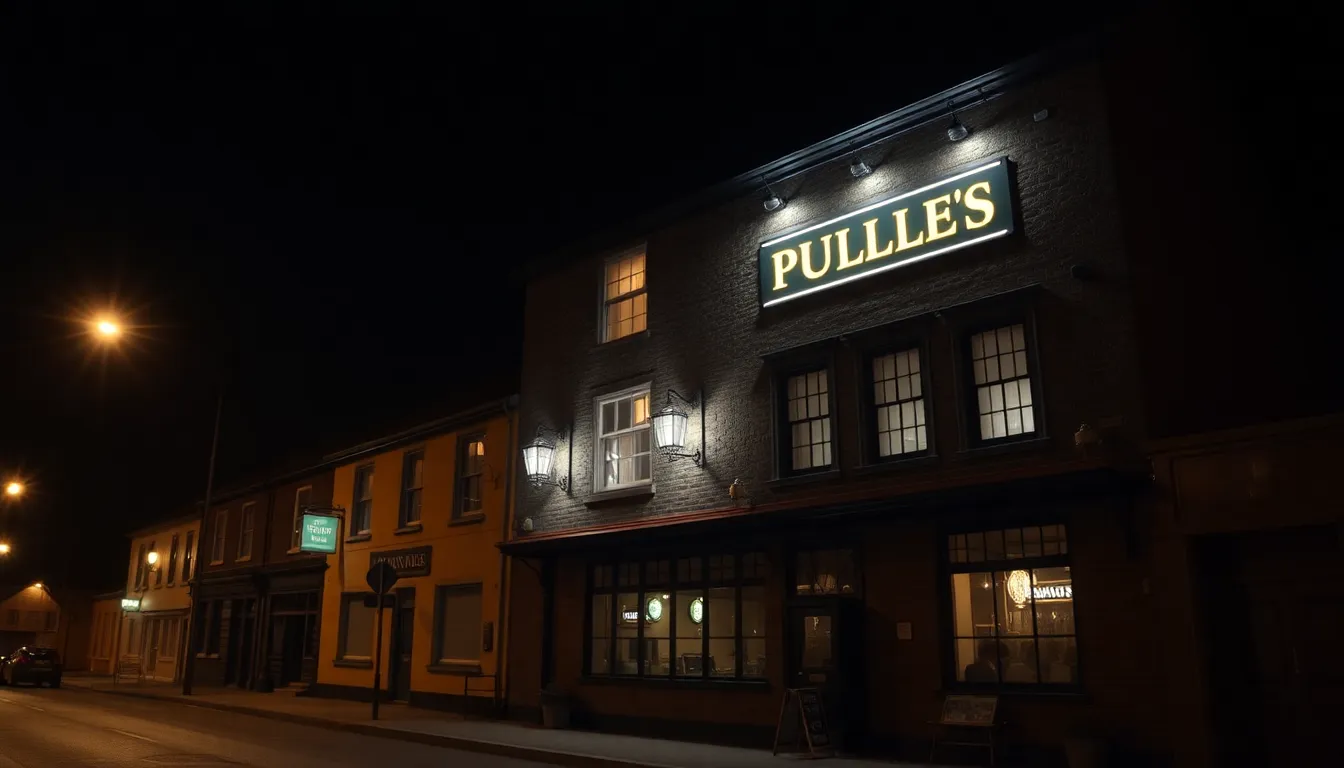
For decades, the historic General Wolfe building has been a familiar landmark for residents navigating the heart of St Austell. Granted Grade II listed status in 1999, the former pub holds a special place in the town’s architectural heritage. However, its recent history has been defined by neglect rather than preservation. In 2020, Cornwall Council acquired the property through its Corserv development wing for a whopping £1 million, with the noble intention of transforming the site into much-needed temporary housing. Unfortunately, the grand vision never materialised. Instead of welcoming residents, the building remained boarded up, quickly deteriorating into an eyesore and a magnet for anti-social behaviour. By the time the council assessed the spiralling renovation costs—estimated to exceed £2.5 million due to inflation and structural decay—the project was deemed unviable. Earlier this month, the hammer fell at an auction, selling the property for a mere £275,000. This left local taxpayers to shoulder a staggering £725,000 loss, sparking intense debate about how municipal acquisitions are managed in our community.

Taxpayer Impact and Local Reaction
The dramatic financial loss has ignited fierce debate within the community, with local representatives demanding answers on behalf of disappointed taxpayers. During a recent council meeting, St Austell Central & Gover representative Cllr Jack Yelland challenged the local authority’s decision-making process. He questioned why a £1 million purchase of public funds was approved without a comprehensive feasibility study, especially when professional advice at the time suggested caution. In response, Council Leader Cllr Leigh Frost candidly described the acquisition as a ‘cock-up,’ but maintained that launching a costly formal investigation would be a waste of further resources. For St Austell residents, this admission offers little comfort. The loss of nearly three-quarters of a million pounds represents funds that could have been used to improve local parks, repair roads, or support struggling high street businesses. This situation highlights a growing need for greater transparency and robust scrutiny in local government spending, ensuring that future projects are backed by realistic planning before public money is committed to complex historical restorations.
What Lies Ahead for St Austell and Cornwall Tourism
As the dust settles on this controversial sale, St Austell residents are left wondering what the future holds for the General Wolfe site under its new private ownership. The community will be watching closely to see if the new owners can successfully restore the Grade II listed structure and bring positive economic activity back to the town centre. Beyond St Austell, this incident serves as a vital reminder of the delicate balance between urban regeneration and tourism in Cornwall. While town centres require careful financial stewardship to thrive, our coastal destinations continue to draw significant investment. For instance, those looking to experience the very best of Cornwall’s coastal charm can go to Newquay to enjoy world-class beaches and thriving local hospitality. For St Austell to achieve similar vitality, local authorities must learn from the General Wolfe misstep. Residents are encouraged to stay engaged with local planning portals, attend town council meetings, and actively voice their opinions on how public spaces are developed, ensuring that our collective heritage is preserved responsibly.
Source: Council leader admits buying £1m derelict pub was a ‘cock-up’