South West Rural Homes Face Crisis As Winter Heating Oil Costs Soar
Local Communities Hit Hard by Off-Grid Price Spikes
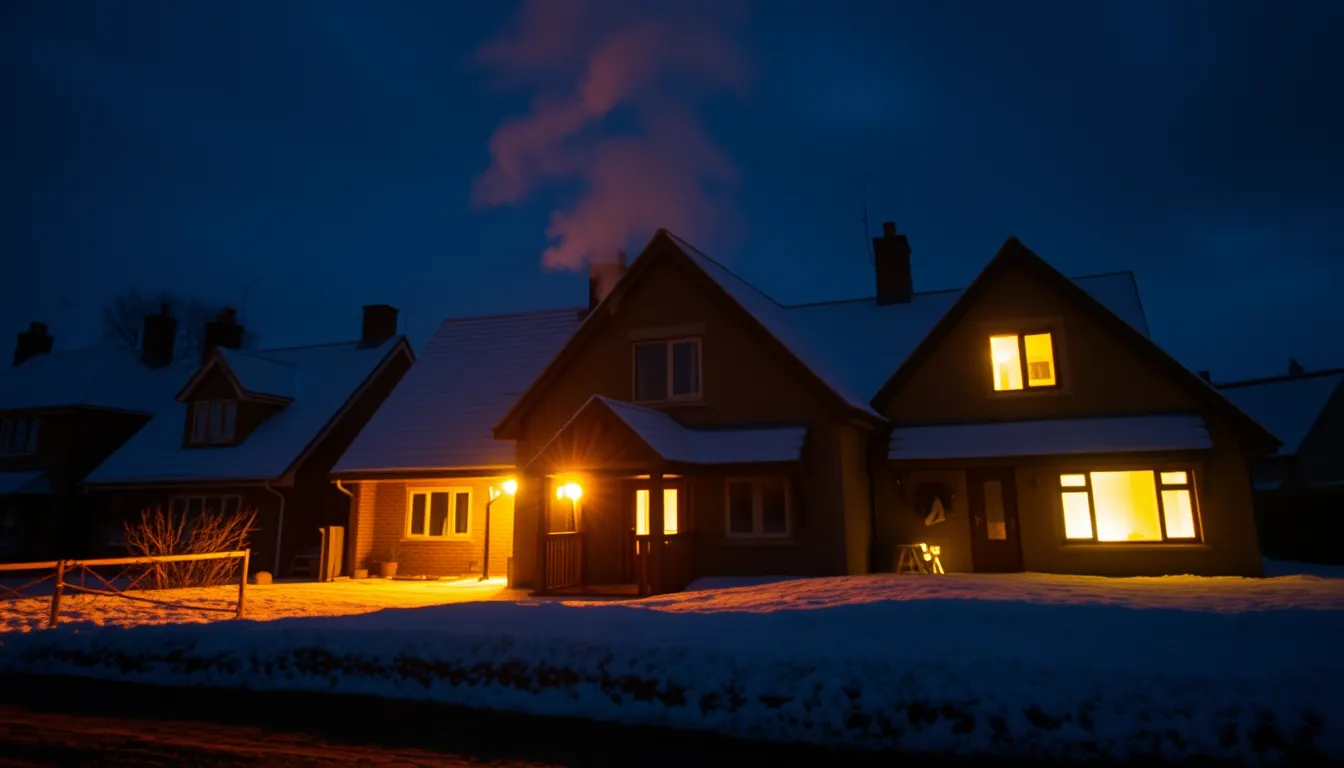
As autumn temperatures drop across the South West, families living off the main gas grid are facing severe financial strain due to soaring heating oil costs. From quiet hamlets like Porkellis and St Agnes in Cornwall to picturesque villages like Dunsford in Devon, rural households are watching fuel prices climb by up to 82 percent. While visitors flock to the coast to visit Newquay or enjoy a brisk autumn walk with their dog on beaches near Fistral Beach, local residents in surrounding off-grid areas are making tough decisions about whether they can afford to keep their heating on this winter. Off-grid living is central to the character of our rural communities, where historical homes and isolated farmsteads rely entirely on fuel deliveries. Unlike urban areas connected to mains gas, rural residents must purchase fuel in bulk, leaving them exceptionally vulnerable to international market shocks. Local businesses and winter hospitality providers offering dog friendly accomodation are also feeling the pinch, as rising utility overheads coincide with tighter household budgets for local spending. For thousands across Devon and Cornwall, the coming cold spell presents a formidable challenge that goes far beyond typical seasonal budgeting.

Personal Struggles Across Devon and Cornwall
The reality of these price surges is hitting hard at home. In Dunsford, resident Nicola Sharpe reported that a 500-litre delivery that cost around £340 last autumn has now jumped to over £600. For many, spreading payments through monthly savings schemes is no longer enough to cover the gap. In St Agnes, Lee Fossey set aside £30 a month toward fuel, only to find the dramatic price escalation still leaves her unable to fill her tank. Seniors are equally affected; 76-year-old Pauline Trubody from Porkellis admitted she will have to limit her heating usage, expressing worry for neighbours who risk going cold. Community groups and parish councils across the South West are raising alarms about the health risks associated with cold homes, particularly for vulnerable elderly residents. Local suppliers and delivery firms are also stuck in a difficult position, attempting to balance high wholesale costs with customer affordability. Many residents express deep skepticism that promised market regulations and minimum order reviews will deliver rapid relief at the pump, forcing families to look for alternative, short-term heating strategies to survive the colder months ahead.
What Residents Can Do and What to Watch Next
In response to growing public concern, energy ministers have pledged tighter regulations on the heating oil sector, promising clearer compensation pathways, better market competition, and a review of mandatory minimum order quantities. A targeted £53m support scheme was previously introduced for lower-income off-grid households, but residents are advised to explore every available resource as winter sets in. Community energy advocates recommend joining local oil buying syndicates, which pool order quantities across villages to negotiate lower unit rates and reduced delivery fees. Residents should check with their local council regarding emergency household support funds, energy efficiency grants, and cold weather payment eligibility. If you plan to go to Newquay or nearby towns for community support drop-ins, local advice hubs offer guidance on managing utility debts and budgeting tools. Neighbours are encouraged to keep a close eye on vulnerable or elderly residents in isolated hamlets who may be reluctant to turn on their heating. As the government reviews market fairness, South West communities must rely on collective resilience, local solidarity, and active preparation to ensure everyone stays warm and safe throughout the winter season.
Source: Rural communities exposed to heating oil costs, minister says