UK Wedding Law Overhaul: Greater Ceremony Freedom Ahead
A significant overhaul of wedding legislation is on the horizon, promising a monumental shift in both where and how couples can legally tie the knot across the UK. This impending change moves beyond traditional venues, offering an unprecedented level of flexibility and personalization for ceremonies, which could profoundly impact local communities and the wedding industry.

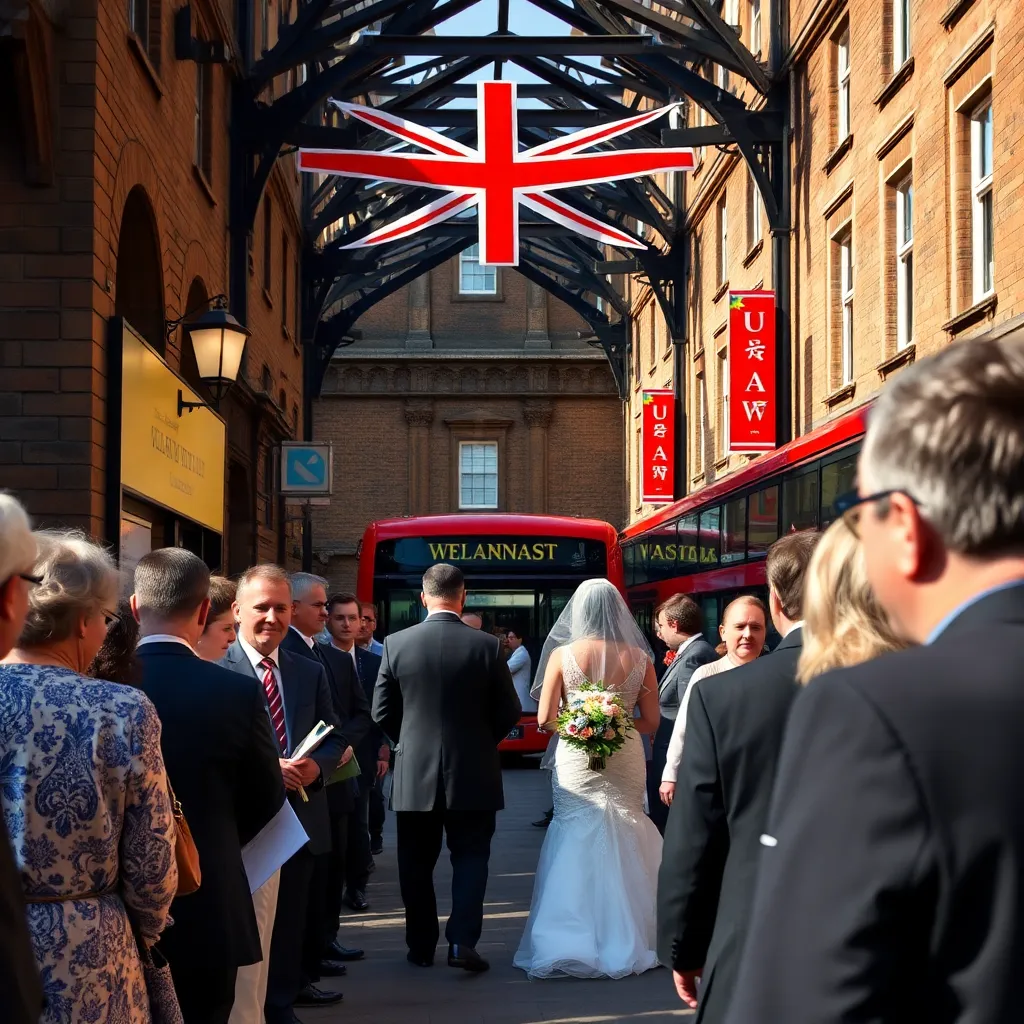
Historically, legal marriages have been largely confined to specific religious buildings or approved registry offices. The new rules are set to broaden this scope dramatically, potentially allowing couples to marry in a wider array of locations, from private homes and gardens to outdoor natural settings or even unconventional public spaces. This expansion aims to empower couples to craft more meaningful and personal celebrations that truly reflect their unique relationships and cultural backgrounds, moving away from rigid, one-size-fits-all formats. The legal recognition of these diverse ceremonies is a core component, ensuring that marriages conducted under these new provisions hold full legal standing.
The community relevance of these changes cannot be overstated. Local businesses, including event planners, caterers, photographers, florists, and independent venues, stand to benefit from an expanded market and increased demand for bespoke services. This could stimulate local economies, creating new jobs and opportunities within the hospitality and events sectors. Furthermore, the greater flexibility could make weddings more accessible and affordable for some, reducing the pressure to conform to expensive, established venues. For many, the ability to choose a location with personal significance – perhaps a family home, a favorite park, or a local landmark – will deepen the emotional resonance of their special day.
This modernization of wedding laws reflects a growing societal demand for greater choice and inclusivity. It acknowledges that the definition of a meaningful ceremony has evolved, and the legal framework must adapt to support contemporary preferences. While specific locations or individuals aren’t detailed in the initial announcement, the general impact suggests a future where local communities will play a more central role in facilitating unique and legally recognized marital celebrations, fostering a more vibrant and diverse wedding landscape nationwide.
(Source: https://www.cornwalllive.com/news/uk-world-news/major-change-wedding-rules-mean-10554306)