St Stephen Solar Farm Plan Sparks Fears For Cornish Tenant Farmers
The Threatened Heartland of Mid Cornwall
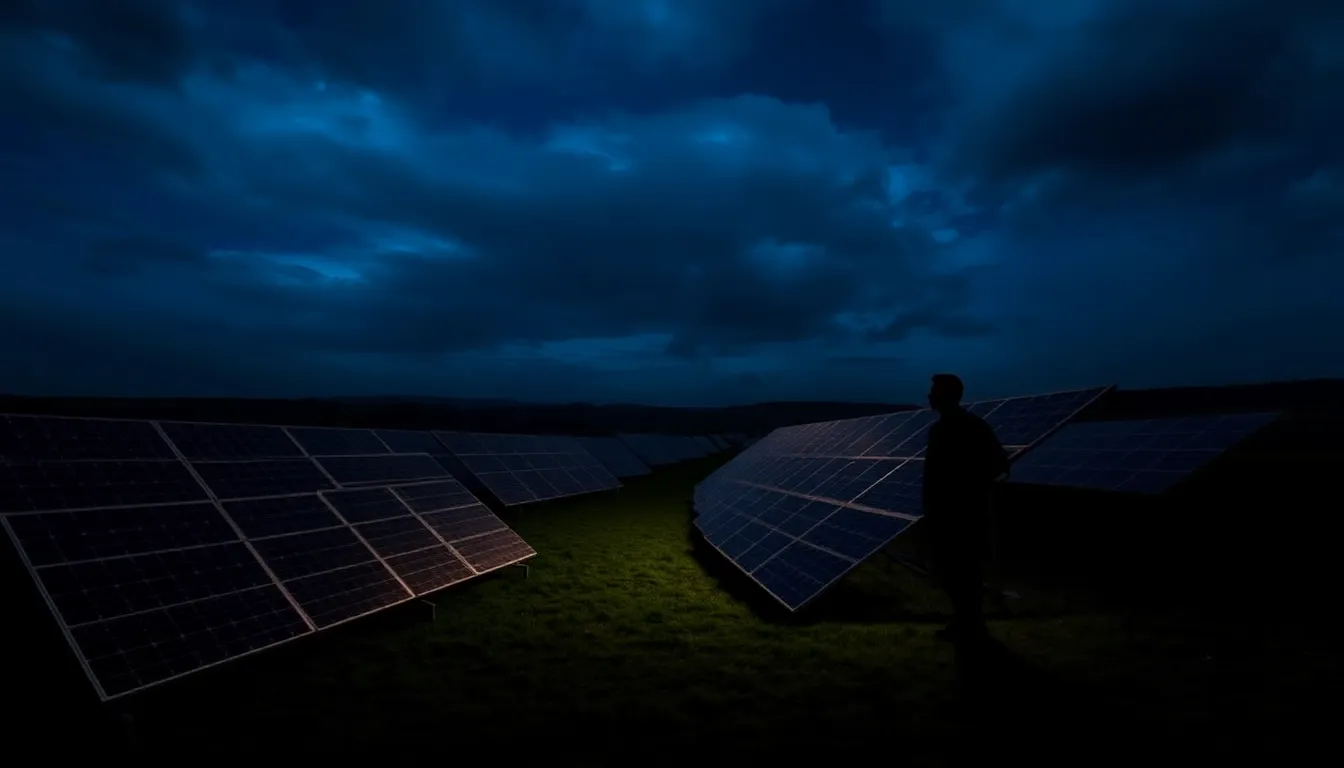
The rural tranquility of mid Cornwall is at the centre of a passionate community battle as plans for a massive new solar farm threaten to transform the landscape of St Stephen-in-Brannel. French energy giant EDF Renewables has proposed a 49.9-megawatt installation spanning 19 fields across 82.5 hectares of Penhale Farm at Trelion. Positioned on the edge of the historic clay country near St Austell, this quiet agricultural area could soon host an industrial-scale energy project for the next forty years. Local residents feel their rolling hills are being disproportionately targeted, pointing out that nine solar farms already operate within a five-kilometre radius. While many tourists go to Newquay to enjoy the pristine north coast beaches, inland villages like St Stephen form the working backbone of Cornwall. This proposed development represents a concentration of solar infrastructure twenty times higher than the rest of Cornwall, leading many to fear that the unique rural character of the area will be permanently decimated. The Cornwall Council strategic planning committee is facing intense scrutiny as local opposition reaches a boiling point, highlighting the delicate balance between national green energy targets and the preservation of historic Cornish farmland.

The Human Impact on Trelion’s Farming Community
At the heart of the outcry is the devastating human cost facing the local community. Rose Barnecut, representing the Stop Trelion Solar campaign group, has sounded the alarm for the fourth-generation tenant farmers currently working Penhale Farm. If the development is approved, this family faces eviction, a prospect that has sent a shiver through tenant farmers across Cornwall. The farm is a highly productive, family-run business with an annual turnover of half a million pounds—money that circulates directly within the local economy. Beyond the economic blow, environmental specialists like Mark Blake have raised urgent public health concerns. Twenty-seven downstream properties rely entirely on private boreholes for their drinking water. With local streams already showing signs of nitrate vulnerability, residents fear that soil disruption and the chemical leaching of galvanised posts in acidic soil could contaminate their water supply. Local parish councils, including St Stephen-in-Brannel and Ladock, have joined forces to object, arguing that the installation of industrial infrastructure on Grade 3a agricultural land will cause unacceptable harm to both the local economy and the surrounding natural infrastructure.
What Lies Ahead for Cornwall’s Green Energy Balance
In response to the mounting community pressure, EDF Renewables spokesperson Musa Choudhary defended the project, arguing that the solar farm is crucial for reducing the country’s reliance on imported energy and stabilizing volatile international markets. The developer claims to have modified the plans to preserve existing hedgerows and introduce additional planting to screen the site. However, local residents remain unconvinced, pointing out that Cornwall’s landscape officer agreed the project would substantially alter the area’s rural character. As Cornwall Council’s planning committee debates the proposal, many members admit feeling their hands are tied by national planning frameworks that favour renewable energy. For local residents, this case is a vital test of community sovereignty. Neighbors are urged to stay informed by monitoring the Cornwall Council Planning Portal for updates on decisions, traffic diversions, and upcoming public meetings. The outcome of the Penhale Farm decision will set a significant precedent for how Cornwall protects its agricultural heritage, its local tenant farmers, and its vital water resources in the face of rapid industrial green energy expansion.
Source: ‘Overwhelming’ solar farm will ‘decimate’ rural area of Cornwall