St Austell’s Carclaze School Site Transforms into New Homes
The former Carclaze Infants School in St Austell is poised for a significant transformation, with plans now approved to redevelop the fire-damaged site into eight new homes. This project marks a pivotal moment for a location deeply embedded in the community’s history, having served generations of local children before its unfortunate demise. The school, once a vibrant educational hub, suffered extensive damage from a devastating fire, leaving the building derelict and a poignant reminder of a lost community asset. Its subsequent vacancy has arguably created an undesirable blight on the landscape of St Austell, prompting a strong local desire for its revitalization.

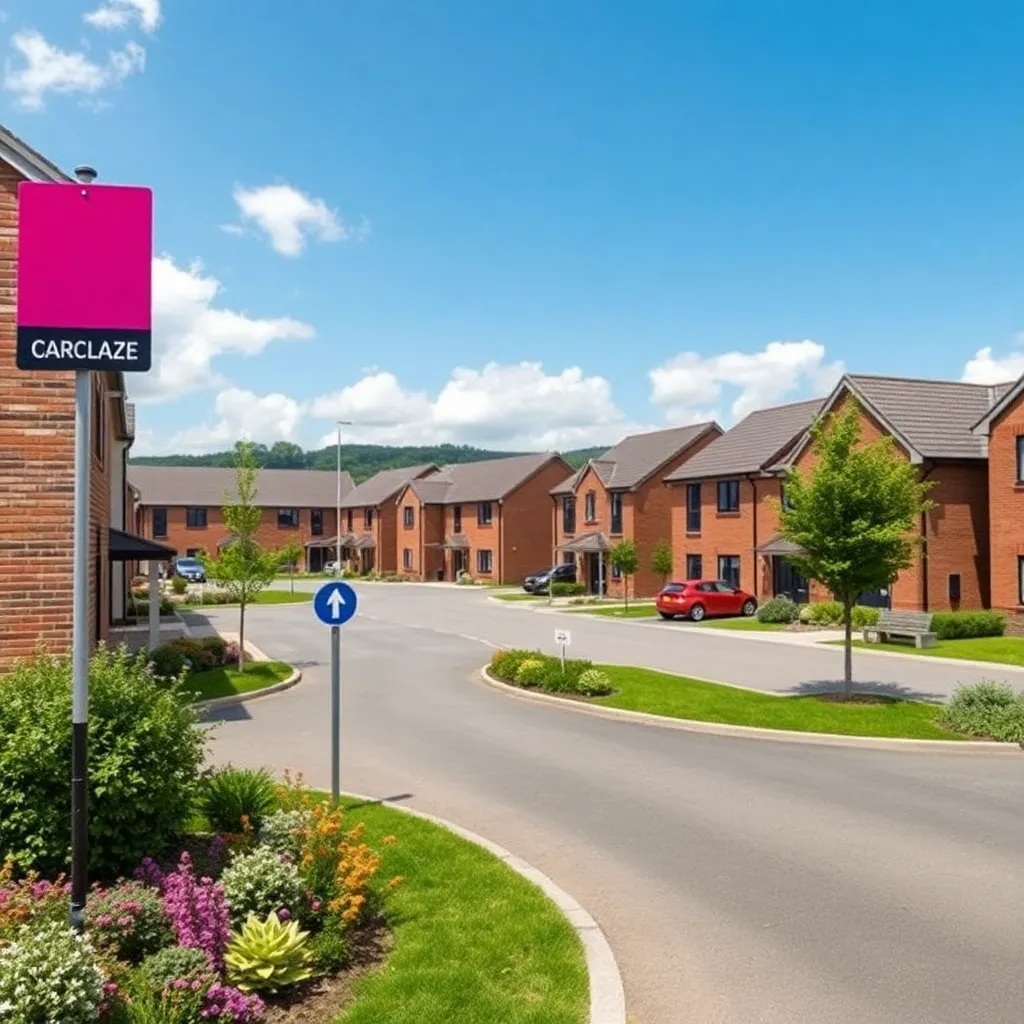
The approved redevelopment will see the complete overhaul of the site, replacing the remnants of the fire-damaged structure with modern residential properties. This initiative is expected to bring substantial local benefits, converting a problematic and disused plot into a productive and attractive living space. For the residents of St Austell, particularly those in the immediate Carclaze vicinity, this development signifies positive progress and a proactive approach to urban renewal. The community has likely endured the visual impact and potential safety concerns associated with the abandoned and fire-scarred school, making its repurposing into much-needed housing a widely anticipated and welcome change.
The transition from an educational institution to residential dwellings reflects a broader trend in local planning, where disused community buildings are adapted to address contemporary needs, such as housing shortages. While specific details regarding the design, affordability, or target demographics of the new homes are not publicly available, their creation will undoubtedly contribute to the local housing stock and potentially attract new families to the area. This project in St Austell exemplifies how thoughtful redevelopment can breathe new life into neglected spaces, ensuring that sites with historical community relevance continue to serve the population in a modern context. It promises to enhance the neighborhood’s aesthetic appeal, provide essential housing solutions, and contribute positively to the ongoing regeneration efforts within the town, turning a memory of destruction into a symbol of renewal.
(Source: https://www.bbc.com/news/articles/c70n529g0g2o?at_medium=RSS&at_campaign=rss)