Pothole Crisis: Rain Delays Lead to Repair Backlog
Local road maintenance teams are currently facing an uphill battle against deteriorating infrastructure, as persistent and heavy rainfall severely hampers their efforts to carry out essential pothole repairs. Reports indicate that workers are struggling considerably to keep pace with what is understood to be a record number of defects emerging across local road networks. This challenging situation creates a significant backlog, directly impacting communities and posing widespread implications for daily life and public safety.

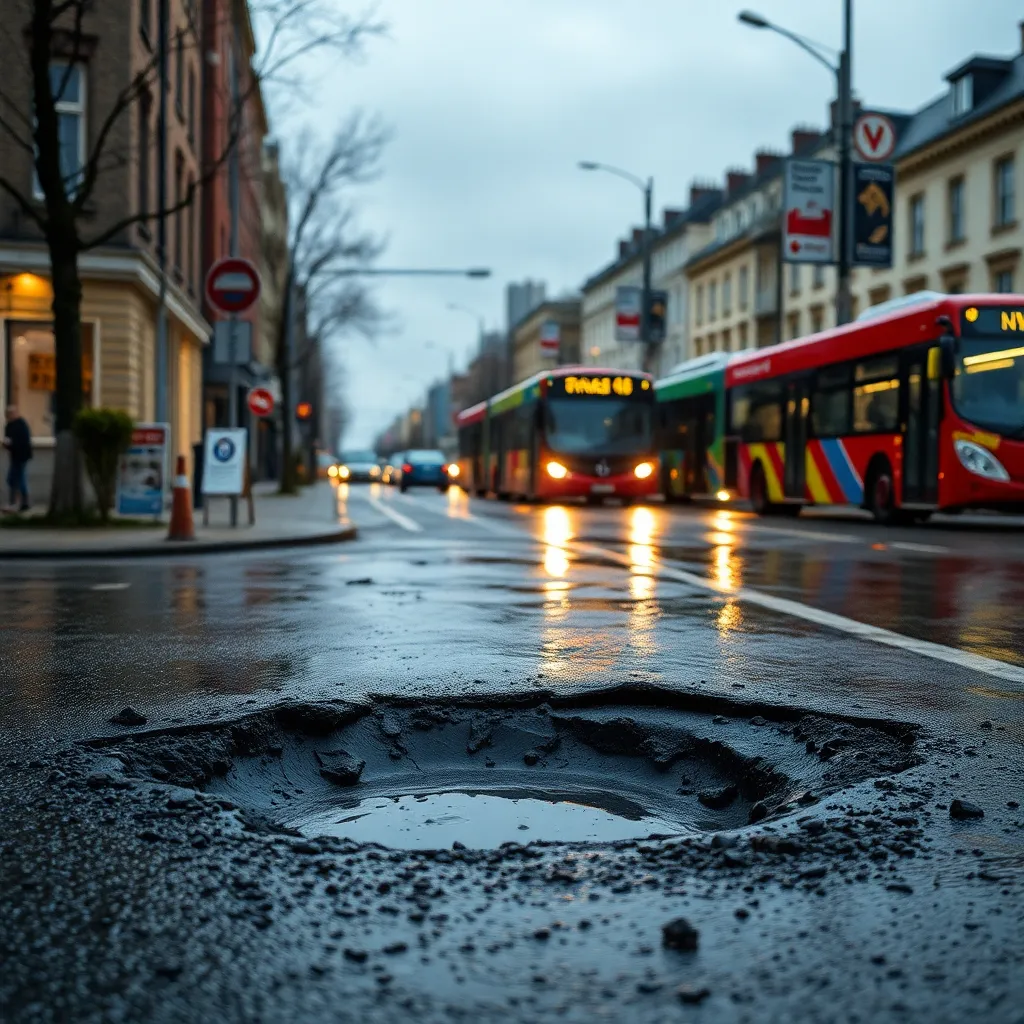
The consistent wet weather is a dual threat: it actively contributes to the formation and worsening of potholes while simultaneously making effective repair work incredibly difficult. Water ingress weakens road surfaces, leading to rapid degradation under traffic load. Furthermore, many repair materials require dry conditions to bond properly and achieve long-lasting results. This means that every day of rain not only adds to the problem but also delays the vital maintenance needed, prolonging the period of disrepair for countless stretches of road.
The local impact of this mounting repair backlog is substantial. Motorists face increased risks of vehicle damage, including punctures, bent wheel rims, and costly suspension issues, leading to unexpected financial burdens. For commuters, uneven and damaged roads can slow travel times, cause discomfort, and contribute to traffic congestion. Beyond personal vehicles, public transport routes can be affected, potentially impacting schedules and service reliability. Cyclists and pedestrians are also particularly vulnerable, with large, water-filled potholes presenting significant hazards that can lead to accidents and injuries.
Community frustration is growing as residents witness their local roads fall into disrepair, often feeling a sense of neglect regarding critical infrastructure. The ongoing struggle highlights the critical link between unpredictable weather patterns, the capacity of local authorities to maintain essential services, and the daily quality of life for citizens who rely on safe and efficient transportation networks. Addressing this persistent challenge requires not only dedicated resources but also adaptable strategies to ensure that vital road maintenance can proceed effectively, even in adverse weather conditions, ultimately safeguarding the community’s infrastructure and well-being.
(Source: https://www.bbc.com/news/articles/cvg1e0pv45po?at_medium=RSS&at_campaign=rss)