Pelican Point: South Coast’s Divisive Seaside Destination
Pelican Point, a seaside town on the south coast, stands as a testament to polarizing opinions, drawing as much criticism for its perceived ‘poor taste’ as it does fervent affection from its loyal visitors and residents. The author’s visit aimed to unravel this dichotomy, exploring the specific elements that fuel such strong, conflicting sentiments.

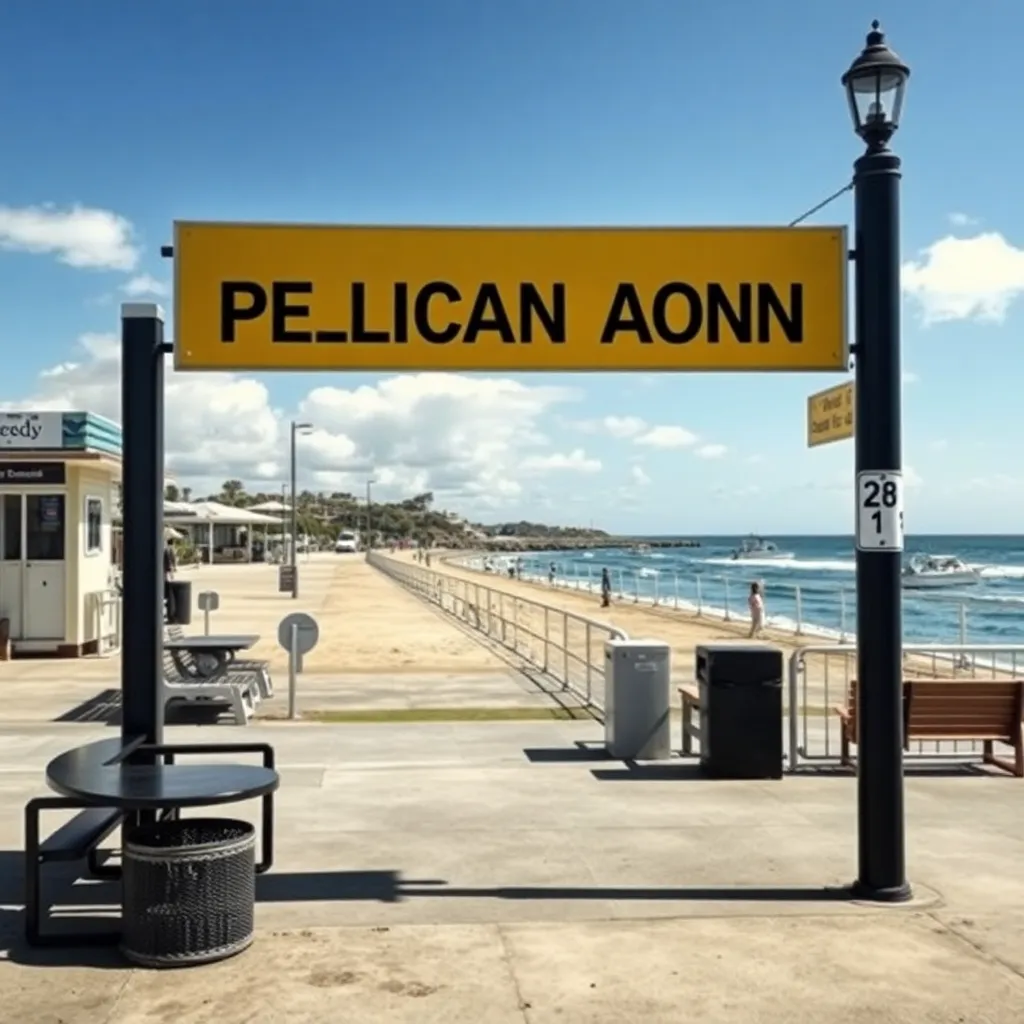
Upon arrival, the visual landscape immediately hints at the controversy. The promenade, often cited by detractors, features a vibrant, almost garish, array of arcades, fast-food kiosks, and souvenir shops hawking mass-produced trinkets. Critics frequently point to these establishments, alongside some modern, out-of-character developments, as diluting the town’s traditional charm and contributing to an overall aesthetic of cheap tourism. This perception of ‘poor taste’ extends to certain entertainment venues and the general commercialization that many feel has overshadowed Pelican Point’s natural coastal beauty and historical architecture. The town often attracts a specific demographic seeking affordable, no-frills family entertainment, which clashes with the expectations of those desiring a more ‘refined’ or ‘authentic’ seaside experience.
However, for those who love Pelican Point, these very aspects are part of its unique allure. Locals often highlight the strong sense of community, the affordability, and the sheer vibrancy that define their home. The town thrives on a bustling, unpretentious atmosphere, offering accessible fun for families and a nostalgic escape for many. Community events, independent eateries tucked away from the main drag, and the genuine warmth of long-standing businesses demonstrate a resilience and character often overlooked by external critics. Residents argue that the town provides essential jobs and a lively environment, catering to a diverse range of visitors who appreciate its straightforward approach to holidaymaking.
The ongoing debate about Pelican Point’s identity has significant local impact. It influences planning decisions, tourism strategies, and even property values, as the town grapples with balancing its popular, yet controversial, appeal with aspirations for regeneration and a more ‘upmarket’ image. This dynamic tension shapes its future, reflecting a community constantly negotiating its past, present, and the myriad of opinions about what a seaside town truly should be.
(Source: https://www.cornwalllive.com/whats-on/whats-on-news/visited-south-coasts-most-controversial-10563439)