
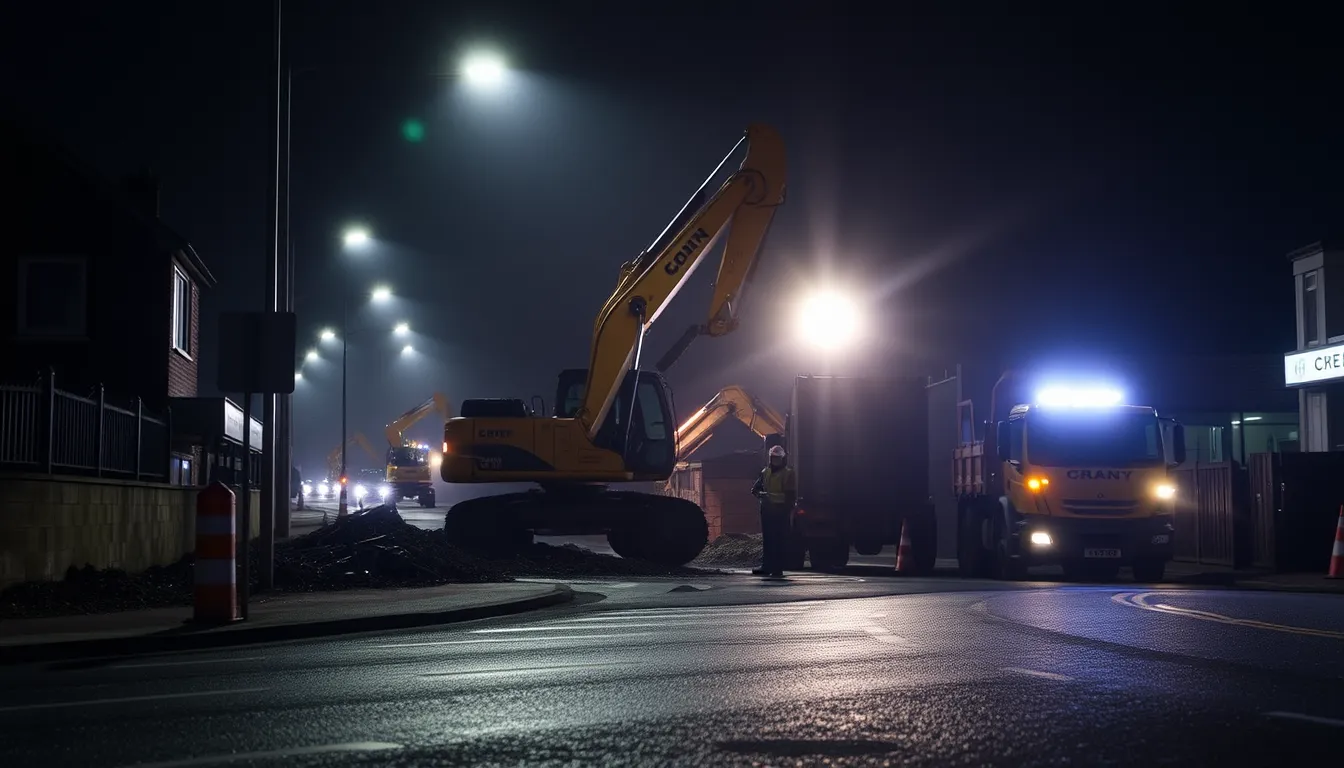
Major Roadworks Begin to Fix Troon Mineshaft Damage
Why Troon’s Mining Legacy Is Creating Headaches This Summer
If you’ve driven through Troon recently, you’ll have noticed the disruption on Newton Road—and you’re not alone in feeling frustrated. The small village near Camborne is dealing with a mining problem that’s literally opening holes in its streets. Two separate mineshaft collapses have prompted Cornwall Council’s highways company Cormac to launch a major repair operation beginning this week, expected to take around 10 weeks to complete.

This isn’t the first time Troon has faced this challenge. Last year, a mineshaft gave way in nearby Pendarves Road in Beacon, forcing a six-month closure that tested everyone’s patience. That road eventually reopened in May, but residents are understandably concerned about the same thing happening again. The village sits on historic mining land, and as groundwater levels fluctuate and old shafts deteriorate, the ground beneath Newton Road proved unstable enough to collapse—twice in the past year.
For those who live and work in this tight-knit community, these aren’t just abstract engineering problems. They affect where you can park, how you get to shops and services, and whether local businesses can operate normally. The Troon Residents’ Action Group has been vocal about demanding urgent fixes, and their pressure appears to have worked.
What This Means for Businesses, Residents, and Traffic
Newton Road will remain completely closed for the full duration of the repairs, and Cormac has made clear that this is unavoidable. The work involves stabilising not just one but two mining features, requiring carefully coordinated activities that can’t be rushed. They’ll tackle each problem sequentially rather than simultaneously, both for safety and practical reasons.
If you park on Newton Road or rely on it for business access, here’s what you need to know: a 24-hour clearway zone is already in effect and will remain throughout the project. Cormac acknowledges that parking is precious in residential areas, but the clearway ensures buses can navigate safely and maintain reliable services. Any vehicles left in the clearway will be removed at the owner’s expense—this isn’t a threat, it’s policy.
Local shopkeepers and service providers should prepare for reduced foot traffic and difficult access during these 10 weeks. However, Cormac has committed to contacting anyone affected before any vehicle removal takes place. The council’s engineering teams understand the economic impact and are working to minimise disruption, but safety comes first. Residents and businesses are advised to plan alternative routes now and adjust expectations for the summer period.
What Happens Next—And Why You Should Stay Informed
Work begins this week, but Cormac has issued an important caveat: unexpected challenges can emerge once excavation starts. Mining remediation isn’t straightforward, and conditions underground might reveal complications that extend timelines or change the approach. Residents should prepare for the possibility that 10 weeks is an estimate rather than a guarantee.
The broader lesson here extends beyond Troon. Cornwall sits atop a rich mining heritage that built the county’s identity—visit Newquay and neighbouring areas, and you’ll see this history celebrated. But that same legacy creates ongoing infrastructure challenges. As the region attracts tourism and investment, with people keen to go to Newquay and explore the Cornish coast, inland communities like Troon must manage the practical consequences of their geological inheritance.
If you’re affected by these roadworks, stay connected with local updates from Cornwall Council and Cormac. Follow your community action group for the latest information. Once repairs are complete, Newton Road should be fully reinstated and safe for years to come. In the meantime, plan ahead, allow extra travel time, and support local businesses adapting to challenging conditions. This disruption is temporary; the safety improvements are permanent.
Source: Work starts to repair Troon mineshaft damage