Heatwave Chaos: Ambulance Service Issues Urgent 999 Warning
Record-Breaking Heat Overwhelms Local Emergency Services
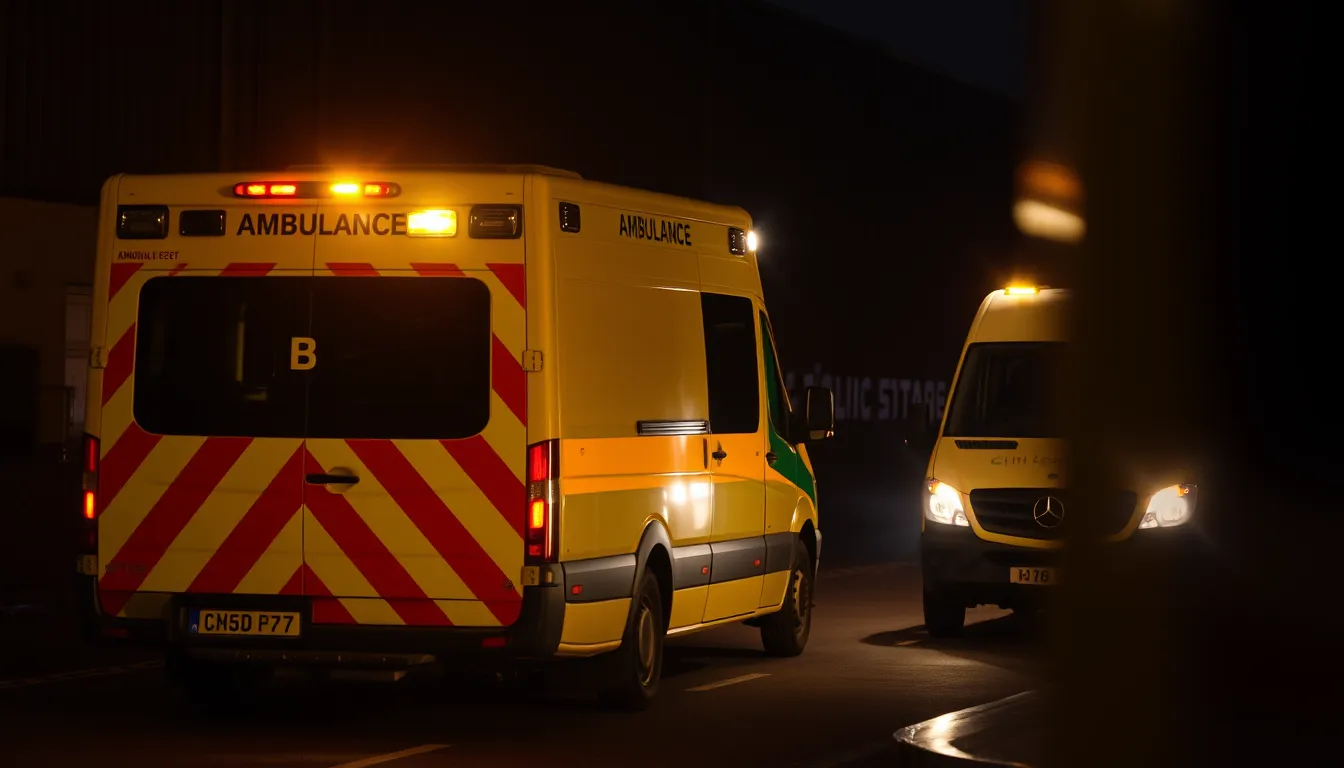
The South Western Ambulance Service (SWASFT) faced its most demanding day ever on 26 June, responding to an unprecedented 4,350 emergency calls during the UK’s hottest June temperatures on record. The spike in callouts—more than 400 additional incidents compared to their previous busiest day in May—has left paramedics and ambulance crews stretched to their limits across our region.

Temperatures soared to 37.3°C as the heatwave intensified, with weather forecasters predicting further hot spells throughout July and August. SWASFT leadership described the experience as “completely beyond anything we have ever experienced,” revealing that this summer’s heat differs significantly from previous years due to its intensity and unpredictable peaks and troughs.
The pressure on our local emergency services highlights a growing concern for healthcare providers across the south-west. With 23 million visitors expected to travel to our region during the summer holidays, ambulance crews face increased demand from both residents and tourists unfamiliar with our climate. Whether you’re a local or visiting attractions like Fistral Beach or planning to go to Newquay, understanding how our emergency services operate during extreme weather is crucial for community safety.
Why 999 Calls Are Soaring—And Why You Should Think Twice
During the June heatwave, emergency dispatchers received “many calls” for issues that, while uncomfortable, weren’t genuine emergencies. Sunburn, feeling overheated, and mild dehydration linked to excessive alcohol consumption represented a significant portion of the 4,350 callouts—incidents that diverted paramedics from critically ill patients and those with life-threatening injuries.
Local health officials and ambulance service leaders are appealing to residents to reconsider whether a 999 call is truly necessary. Minor heat-related discomfort—even if unpleasant—doesn’t warrant emergency dispatch. Instead, residents should move to cool, shaded areas, drink water gradually, and apply cooling techniques like damp cloths.
For those visiting our beaches and attractions, particularly dog-friendly accommodation or bringing pets to locations like Fistral Beach where dogs are welcome, sun safety planning is essential. The message is clear: reserve 999 for genuine emergencies. Call NHS 111 for non-urgent medical advice, or visit your GP during regular hours. Pharmacists can also provide guidance on managing heat-related symptoms. By being responsible about emergency calls, locals can ensure paramedics respond quickly to those facing genuine life-or-death situations during heatwaves.
What’s Next: Summer Planning and Community Action
SWASFT is implementing new operational strategies modelled on winter emergency planning, introducing “summer resilience” measures to handle predicted heatwaves through August. The service is deploying additional resources, adjusting staffing patterns, and preparing backup systems to manage increased demand during peak heat periods.
With amber heat-health alerts now affecting the region and temperatures reaching 34°C, residents should prepare now. This means checking on vulnerable neighbours, ensuring elderly relatives have access to cool spaces, and keeping medications stored correctly in the heat. Families planning summer outings to visit Newquay or spend time at coastal attractions should pack water, wear sunscreen, and avoid peak sun hours (11am–3pm).
The Great Western Air Ambulance Charity reports similar pressures, with their busiest years linked to broader healthcare demand. Community action matters: report vulnerable individuals to local authorities, ensure your home has cooling options, and spread awareness about heat safety. Residents with concerns about someone’s welfare during extreme heat can contact adult social care or local health services. Watch for further heatwave warnings from the UK Health Security Agency, and plan your summer activities—whether visiting Newquay’s attractions or enjoying dog-friendly beaches—around cooler times of day. Together, we can reduce unnecessary emergency calls and keep our ambulance service available for those facing genuine medical crises.
Source: Sunburnt people calling 999 amid ambulance service’s busiest ever day