Geologist Warns Walkers Over Spectacular Gwennap Head Blowhole
The Magic and Danger at Gwennap Head
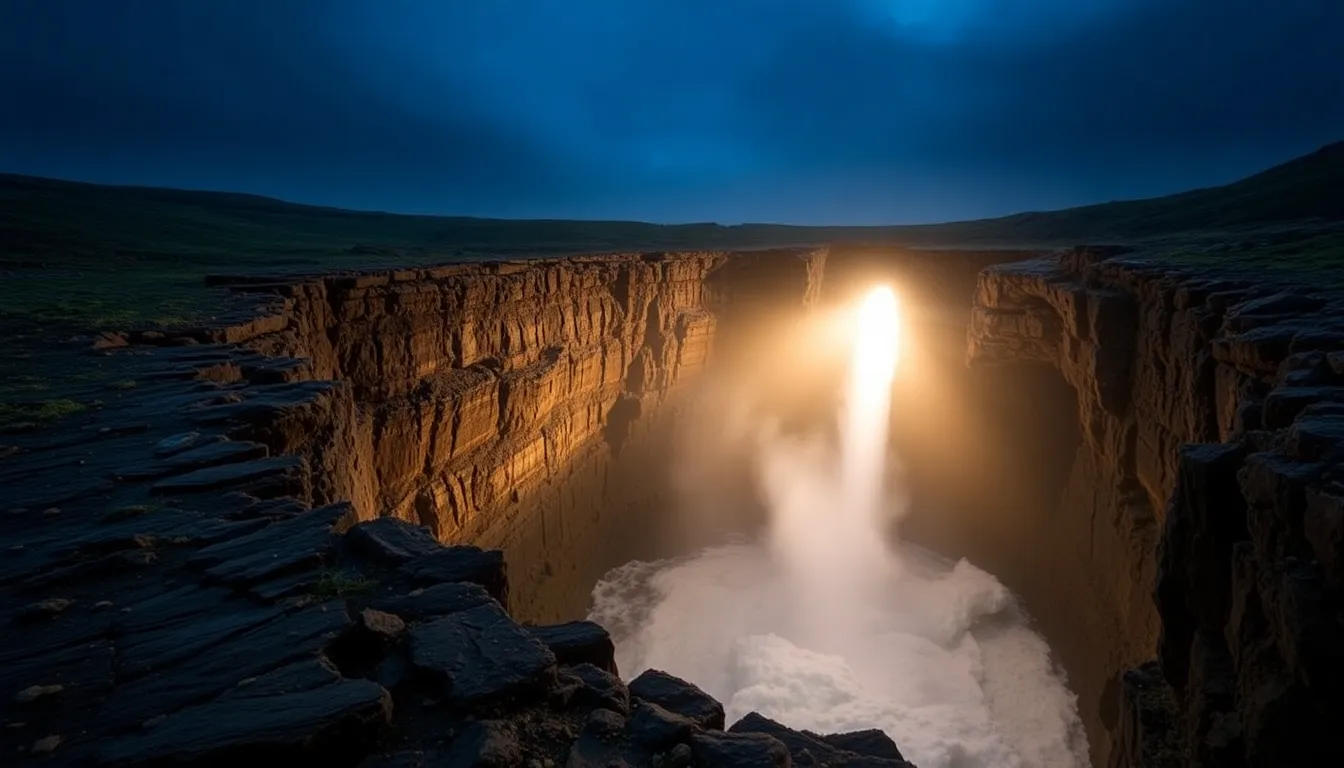
For those of us who regularly walk the rugged cliffs of West Cornwall, the stretch of the South West Coast Path between Porthgwarra and Gwennap Head is nothing short of sacred. It is a landscape defined by towering granite, sweeping Atlantic swells, and a deep sense of wild isolation. Recently, however, a fascinating natural phenomenon has been drawing extra attention—and a fair share of caution—from the local community. A spectacular blowhole has formed just a short distance from the National Coastwatch Institution (NCI) lookout tower at Gwennap Head. To understand how this breathtaking but hazardous feature appeared, we turned to Dr Robin Shail, a senior lecturer in geology at the University of Exeter. Dr Shail explained that blowholes occur when the roof of a subterranean sea cave collapses further inland rather than at the cliff edge itself. Likening the process to a game of Jenga, he noted that wave action wears away at the fractured granite fault zones, eventually causing the overlying structure to destabilise and drop. While coastal inlets are common in our corner of Cornwall, a fully formed blowhole is a rare and spectacular sight that highlights the raw, changing power of our coastline.

Safety on the Edge and Local Impact
While the geological wonder is undoubtedly a draw for keen walkers and nature enthusiasts, local safety groups are urging extreme vigilance. The volunteers at the NCI Gwennap Head station, who keep a watchful eye over our coastal waters and paths, have noted that the ground surrounding the blowhole is notoriously unstable. Because the collapse happens from the inside out, the turf and soil around the rim can be incredibly loose and undercut, presenting a very real fall hazard. This risk directly impacts local walking groups, dog walkers, and the emergency services who are called when things go wrong. For those planning a coastal excursion, it is worth remembering how different our coastlines can be. While many holidaymakers choose to go to Newquay for wide, sandy beaches and safer, flatter terrain, the Far West offers a much more unpredictable terrain. If you are exploring Gwennap Head, keeping your distance from the edge is not just advice—it is a necessity. Local businesses in Porthgwarra rely on safe, accessible paths to keep visitors coming, making the preservation and respect of these trailways vital for our seasonal economy.
Understanding Our Changing Coastline
As residents of Cornwall, we are well-accustomed to the dynamic nature of our cliffs, but the Gwennap Head blowhole serves as a timely reminder of ongoing coastal erosion. Dr Shail warns that while exploring these features is exciting, the edges are inherently fragile. What should local residents do next? First, always stay strictly to the marked South West Coast Path and heed any temporary diversion signs put in place by the National Trust or local rangers. If you are walking with dogs, keep them on short leads near these geological hotspots, as curious pets can easily slip on the loose granite scree. Furthermore, keep an eye on safety updates from the NCI and local Coastguard teams. By understanding the forces that shape our peninsula—like the powerful Atlantic waves that carve out these weak fault zones—we can appreciate Cornwall’s natural beauty without putting ourselves or our rescue services at risk. Let’s enjoy this geological marvel from a safe distance, ensuring that our beautiful coast remains safe for everyone to enjoy for generations to come.
Source: Scientist explains phenomenon behind mysterious Cornish blowhole