
Extreme Marine Heatwave Threatens Cornwall’s Waters
Unprecedented Ocean Temperatures Heading for Our Coast
The Met Office has issued a stark warning: an “extreme” marine heatwave is intensifying across UK waters, and our Cornish coast stands directly in its path. Sea temperatures are climbing 4-5°C above normal levels, particularly across the English Channel and southern North Sea—conditions we’d typically expect only in late August, not mid-summer.

Dr Zoe Jacobs from the National Oceanography Centre explains the gravity of the situation: “If this event keeps coming, we might start seeing serious impacts on ecological systems.” The heatwave has been turbocharged by the exceptional air temperatures that baked Europe in May and June, combined with decades of long-term ocean warming driven by climate change.
For those planning to visit Newquay or enjoy Fistral Beach and our famous coastal attractions, it’s worth understanding what’s happening beneath the waves. This isn’t just about temperature readings—it’s about the delicate balance of marine ecosystems that make our waters special. The shallow seas around southern England heat up rapidly when extreme conditions persist, amplifying ecological stress.
Local Marine Habitats at Critical Risk
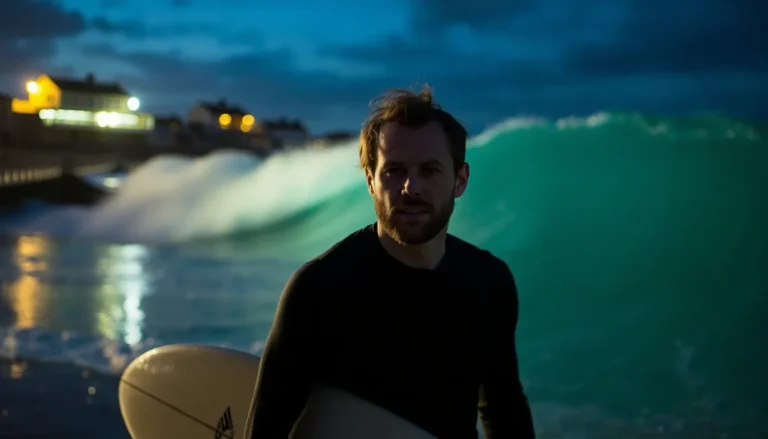
Beneath Fistral Beach’s iconic waves lies a thriving ecosystem now facing unprecedented stress. Seagrasses, kelp forests, and other cool-water habitats that define our region’s marine character are vulnerable to heat damage. Prolonged exposure to these temperatures can trigger mass die-offs, destroying the nursery grounds that countless fish species depend on—including commercially important species like cod that fishing communities rely on.
Local fishing businesses, tourism operators, and accommodation providers across Newquay—from dog-friendly lodging to holiday parks—are watching developments closely. When marine habitats collapse, the ripple effects touch everything: fewer fish mean harder times for fishermen, disrupted ecosystems attract invasive species, and the character of our beaches and waters fundamentally shifts.
What’s particularly concerning is the pace of change. We’re witnessing warm-water species like octopus increasingly colonizing southern English waters. While spotting an Atlantic bluefin tuna sounds exciting, these shifts often indicate ecological imbalance. Octopus populations, for instance, aggressively prey on crabs, lobsters, and scallops—species central to our local economy and gastronomic reputation.
What Local Residents and Visitors Should Know Now
If you’re planning to go to Newquay or spend time at our beaches, stay informed about water conditions. Check local beach reports, particularly before swimming or water sports. Those with dogs should be extra cautious—while dog-friendly beaches remain welcoming, water temperatures and potential algal blooms can pose health risks to pets. Consider dog friendly accommodation providers who can advise on safety.
Longer-term, we need to understand what’s at stake. Marine heatwaves are becoming more frequent and intense, not rarer. Dr Ségolène Berthou warns: “We are likely to see marine heatwave conditions becoming average by mid-to-end of this century if we don’t cut greenhouse gas emissions.”
Local action matters. Support community efforts to protect our marine environment—sustainable fishing practices, coastal conservation groups, and climate advocacy. Engage with local businesses promoting responsible tourism. When you visit Newquay or our beaches, respect marine habitats and wildlife. Ask your accommodation providers and tour operators about their environmental commitments. Most importantly, stay connected to what’s happening in our waters. Our community’s prosperity depends on understanding and protecting this marine heritage for future generations.
Source: ‘Extreme’ marine heatwave expected for parts of UK with risk to sea life