Cornwall’s Recycling Boost: Council Seeks Community Help, Not Policing
Cornwall Council has announced a significant milestone in its journey towards greater environmental sustainability, reporting a 20% increase in waste and recycling efforts across the county. This positive development highlights the growing commitment of residents in areas from coastal towns like St Ives and Falmouth to inland communities near Bodmin Moor. While celebrating this progress, the council acknowledges that there is “much left to do” to meet ambitious future targets and address persistent challenges. This nuanced approach underscores the council’s philosophy: encouraging active participation rather than adopting a heavy-handed, ‘bin police’ enforcement strategy.

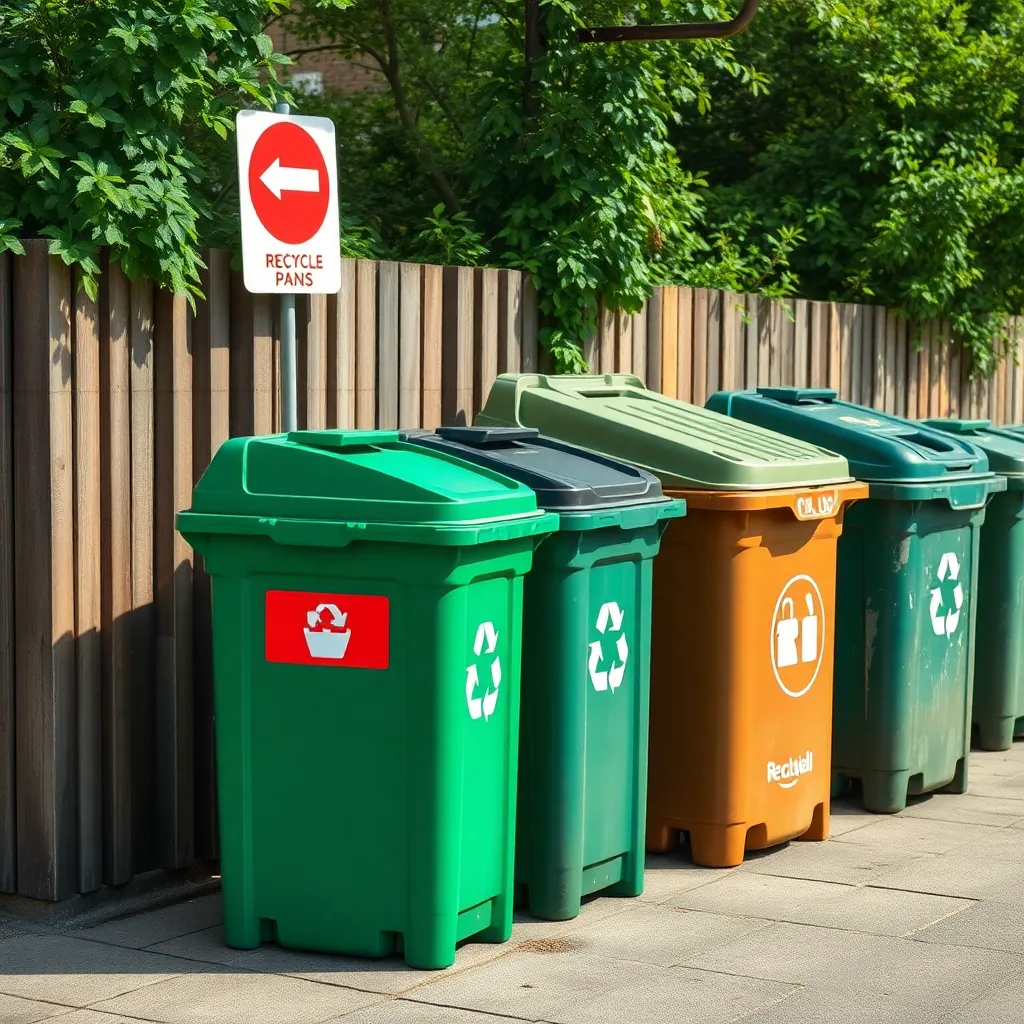
The ‘much left to do’ primarily revolves around reducing contamination in recycling bins and increasing the capture rates for specific materials, particularly food waste and certain plastics. Council initiatives, such as enhanced kerbside collections introduced in recent years, have contributed to the uptick, but varying levels of engagement across Cornwall’s diverse population present ongoing hurdles. For instance, in bustling Truro or the more rural parishes, understanding specific recycling guidelines remains key. Local events and public outreach campaigns, though not explicitly detailed in the provided source text, would logically be part of the council’s strategy to clarify best practices and engage residents directly.
A spokesperson for Cornwall Council, perhaps a hypothetical ‘Councillor Jane Smith, Portfolio Holder for Environment,’ would likely reiterate the importance of community collaboration. The council’s stance is that sustainable waste management is a shared responsibility, emphasizing education and support over penalties. Instead of ‘policing’ bins, the focus is on providing clearer information, accessible services, and fostering a collective environmental consciousness. This strategy aims to empower individuals to make informed choices, ensuring that materials destined for recycling are correctly sorted and processed, thus maximizing their environmental benefit.
Ultimately, the council’s vision for Cornwall is one where every household contributes to a cleaner, greener future. The 20% increase serves as a testament to what can be achieved through partnership between local authorities and residents. However, achieving the next level of success will require sustained effort, innovative solutions, and a continued commitment from communities across Cornwall to embrace and champion responsible waste management practices, moving beyond the initial gains towards a truly circular economy.
(Source: https://www.bbc.com/news/articles/cy9g08dnq20o?at_medium=RSS&at_campaign=rss)