Cornwall’s Marine Life in Peril: Urgent Action Needed
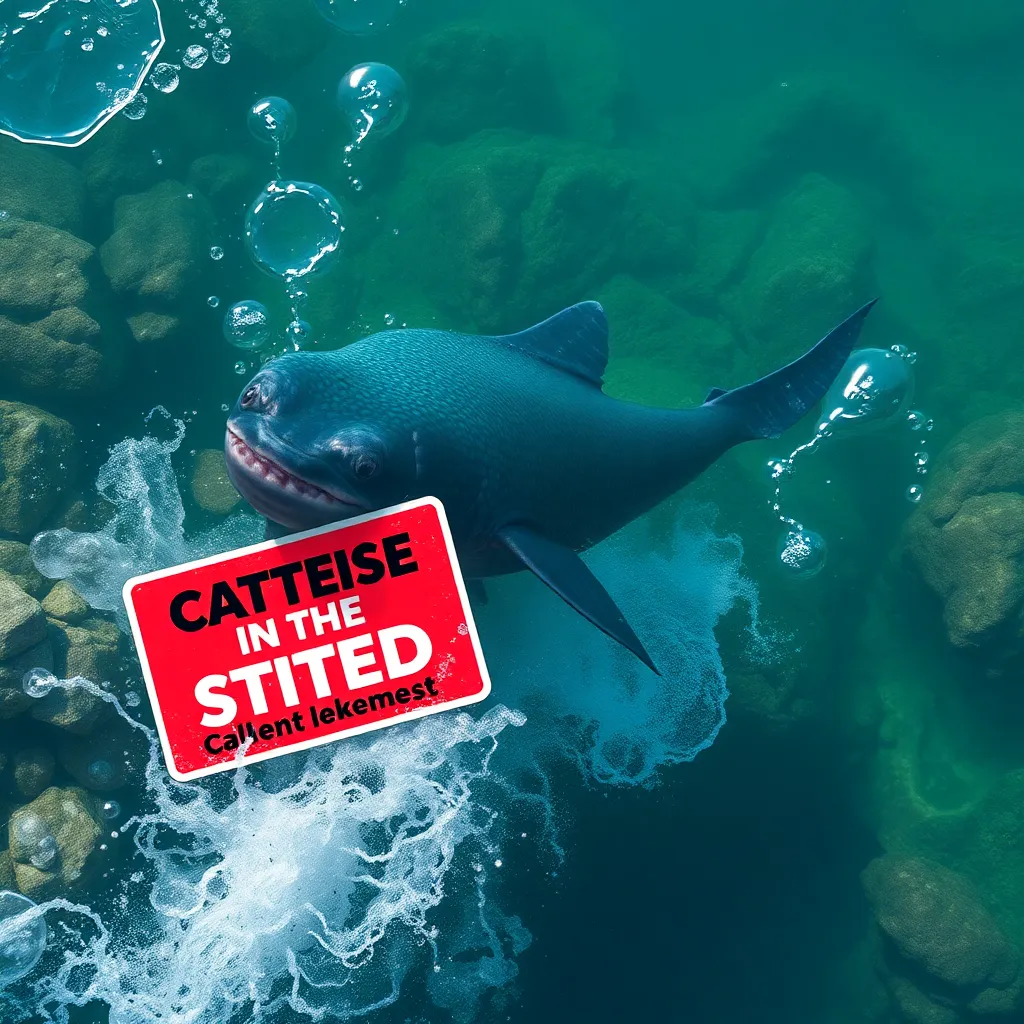
The Cornwall Wildlife Trust (CWT) is urgently demanding government intervention to protect marine mammals in Cornish waters, following an alarming increase in strandings and bycatch incidents. In 2023 alone, over 1,000 common dolphins, harbour porpoises, and grey seals were discovered dead or injured on Cornish beaches, with post-mortem examinations by the Zoological Society of London (ZSL) confirming fishing net bycatch as a significant cause. This crisis highlights a severe local impact on Cornwall’s rich marine ecosystem and biodiversity.

CWT’s dedicated Marine Strandings Network volunteers are at the forefront, responding to these tragic incidents across the Cornish coastline. The Trust is advocating for robust measures, including the mandatory implementation of Remote Electronic Monitoring (REM) with cameras on fishing vessels to ensure compliance, the widespread use of ‘pingers’ (acoustic deterrent devices) on fishing nets to deter marine life, and the establishment of time and area closures in identified high-risk bycatch zones. These proposals aim to mitigate the pervasive threat posed by fishing activities, particularly noting that a considerable proportion of bycatch is attributed to non-UK vessels, such as French trawlers, operating within UK waters.
Fisheries Minister Mark Spencer has acknowledged the issue, referencing a £100m investment in sustainable fishing and the rollout of REM. However, CWT stresses the immediate need for tangible regulatory changes to safeguard these vulnerable species. The community relevance of this issue is profound; local residents are directly affected by the sight of deceased animals on their shores, and their participation is crucial. The CWT encourages the public to report any marine strandings to their network, empowering local citizens to contribute directly to data collection and conservation efforts. The ongoing decline of marine wildlife in Cornwall impacts not only ecological balance but also potentially affects local tourism reliant on the region’s natural beauty and wildlife.
(Source: https://www.bbc.com/news/articles/cql4qzvr6kqo?at_medium=RSS&at_campaign=rss)