
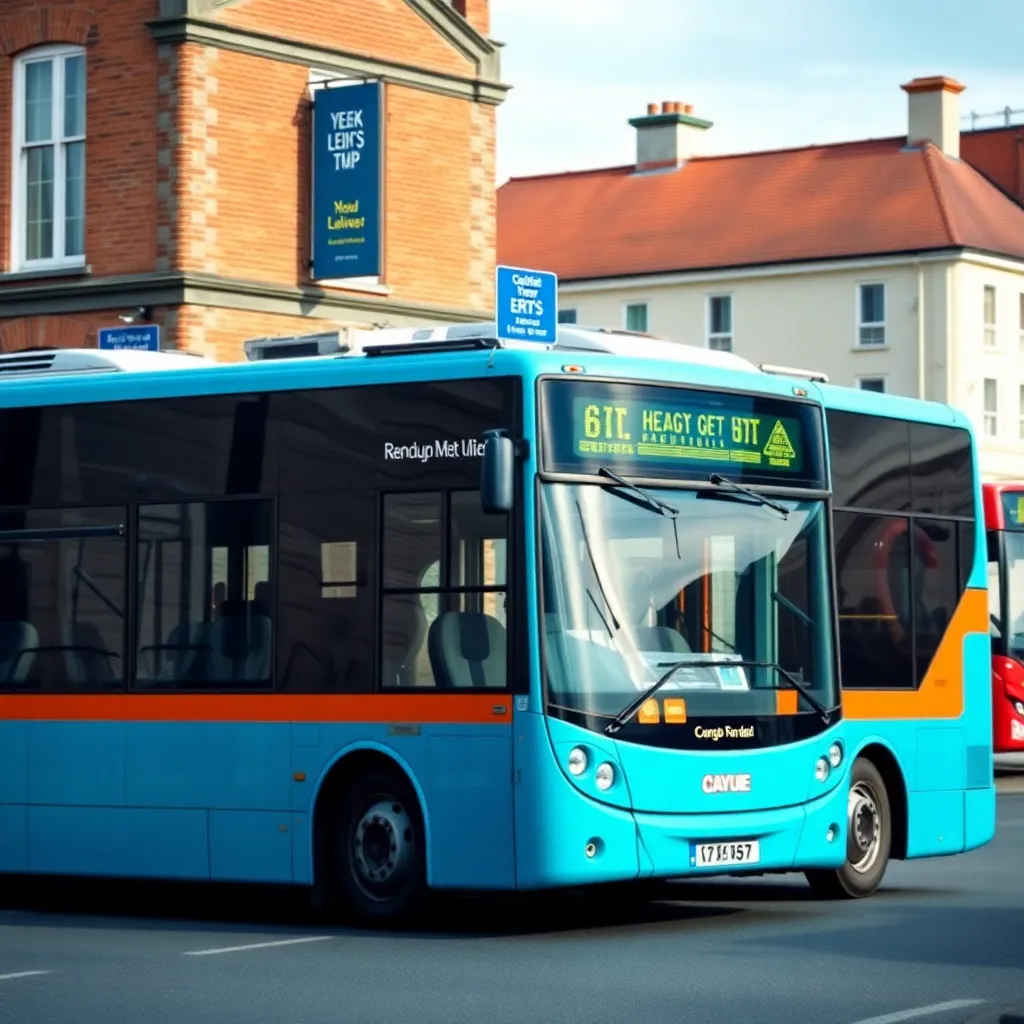
Cornwall’s Bus Network Faces Overhaul Amid Community Concerns
The impending withdrawal of First Bus from Cornwall’s public transport network, with all 14 of its services ceasing by mid-February 2026, has ignited widespread concern among local communities. These routes are widely regarded as indispensable “lifelines,” providing crucial connectivity for residents across the county, particularly in rural and semi-rural areas. While Go Cornwall is slated to step in and assume responsibility for these services, the announcement has sparked anxieties regarding the continuity and quality of future transport provisions.

For many Cornish towns and villages, these 14 services are more than just transport; they are essential for daily living. Elderly residents rely on them to access medical appointments, collect prescriptions, and maintain social connections, combating potential isolation. Students depend on them for travel to schools and colleges, while commuters use them to reach employment centres, which are often located some distance from their homes. Specific communities, potentially stretching from the Lizard Peninsula to the rugged north coast, face the prospect of significant disruption, with fears of reduced frequencies, altered routes that bypass key areas, or increased journey times. Such changes could have profound impacts on access to vital amenities, local economies, and overall quality of life.
Local authorities, community leaders, and residents are actively seeking clarity and assurances from both First Bus and Go Cornwall. There’s a strong call for transparent communication regarding the transition plan to mitigate potential service gaps and ensure that the replacement services are fit for purpose. Concerns also extend to the operational capacity and financial sustainability of Go Cornwall to effectively manage an expanded network, without compromising the reliability that passengers depend on. The community relevance of this overhaul cannot be overstated; it touches upon issues of social equity, economic opportunity, and environmental sustainability, as residents advocate for a seamless transition that preserves, and ideally enhances, the vital public transport infrastructure essential for Cornwall’s dispersed population.
(Source: https://www.bbc.com/news/articles/c9vjyvy20nmo?at_medium=RSS&at_campaign=rss)