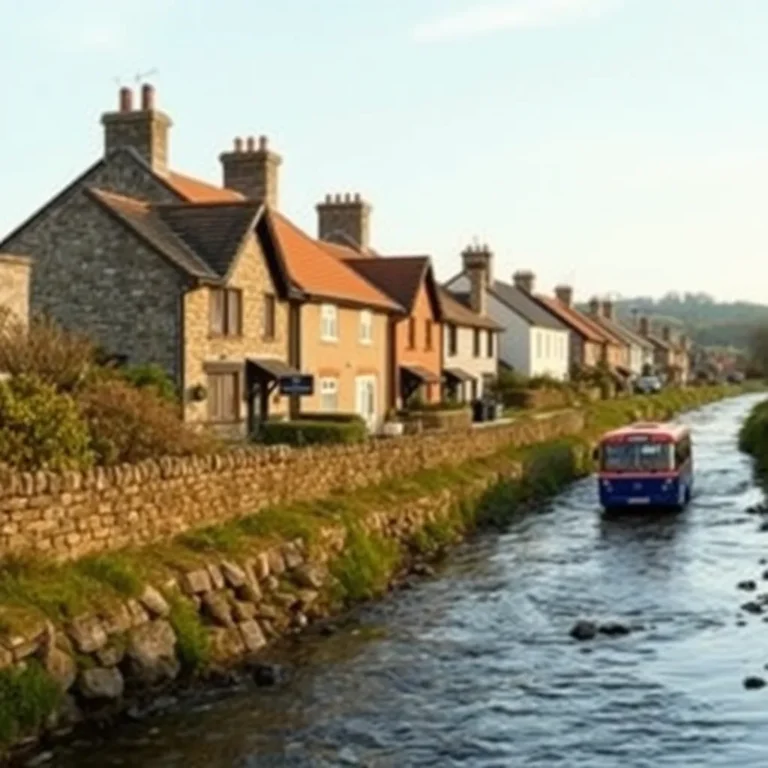

Cornwall Demands Fair Share of £5.8bn Community Funding
The Reality Behind Cornwall’s Postcard Views
While thousands of holidaymakers go to Newquay every year to surf at Fistral Beach or enjoy the rugged coastline, local residents face a very different daily reality. Behind the scenic views, Cornwall currently holds 11 neighbourhoods ranked in the top ten percent most deprived areas nationally. These statistics represent real families in places like Camborne, Redruth, and pockets of Penzance dealing with low average wages and high living costs. The contrast between our thriving tourist destinations and the structural economic challenges of our residential estates is stark. Local community centres, youth groups, and high streets are desperate for regeneration investment to maintain the social fabric of our towns. Without central funding, maintaining the delicate balance between serving visitors and supporting year-round locals becomes increasingly difficult for community organisations trying to keep our towns vibrant, accessible, and inclusive.

Councillors Unite Against Funding Disparity
At a recent full council meeting, local representatives united to challenge Cornwall’s exclusion from the £5.8 billion Pride in Place funding scheme. Councillors Ruth Gripper and Dick Cole highlighted that over 370 areas across the UK have shared in this multi-million-pound initiative, yet Cornwall has received nothing. Councillor Gripper pointed out that some receiving areas secure £2 million annually over a decade—transformative money that could revitalise Cornish community halls, public parks, and local enterprise hubs. The snub highlights a deeper issue regarding how rural deprivation is measured. A recent study by Plymouth Marjon University confirmed what locals already know: deprivation in rural and coastal areas looks very different from urban poverty. Traditional funding formulas often overlook communities where public transport is scarce and seasonal employment dominates, leaving our local voluntary groups to stretch every penny to support vulnerable neighbours.
What This Means for Our Communities
For Cornwall’s residents, this funding gap affects everything from the upkeep of local parks to the survival of high street advice services. With local authority budgets under immense pressure, community-led projects must find alternative ways to stay afloat. Local residents can make a difference by actively supporting independent businesses, joining town chamber groups, and participating in neighbourhood planning consultations. Keeping the pressure on policymakers is vital, and community advocates are encouraging residents to write to their local representatives to demand a review of how rural funding is allocated. As we watch how the government responds to the council’s formal challenge, the resilience of Cornwall’s community groups remains our strongest asset. By backing local initiatives, volunteering, and ensuring our voices are heard, we can protect the unique character of our towns and ensure our residential neighbourhoods are not left behind.
Source: Government told to stop snubbing Cornwall in £5.8 billion funding