Cornwall Council Farms Set for New Homes: What Locals Need to Know
Why Cornwall Council Is Putting Farmland on the Table
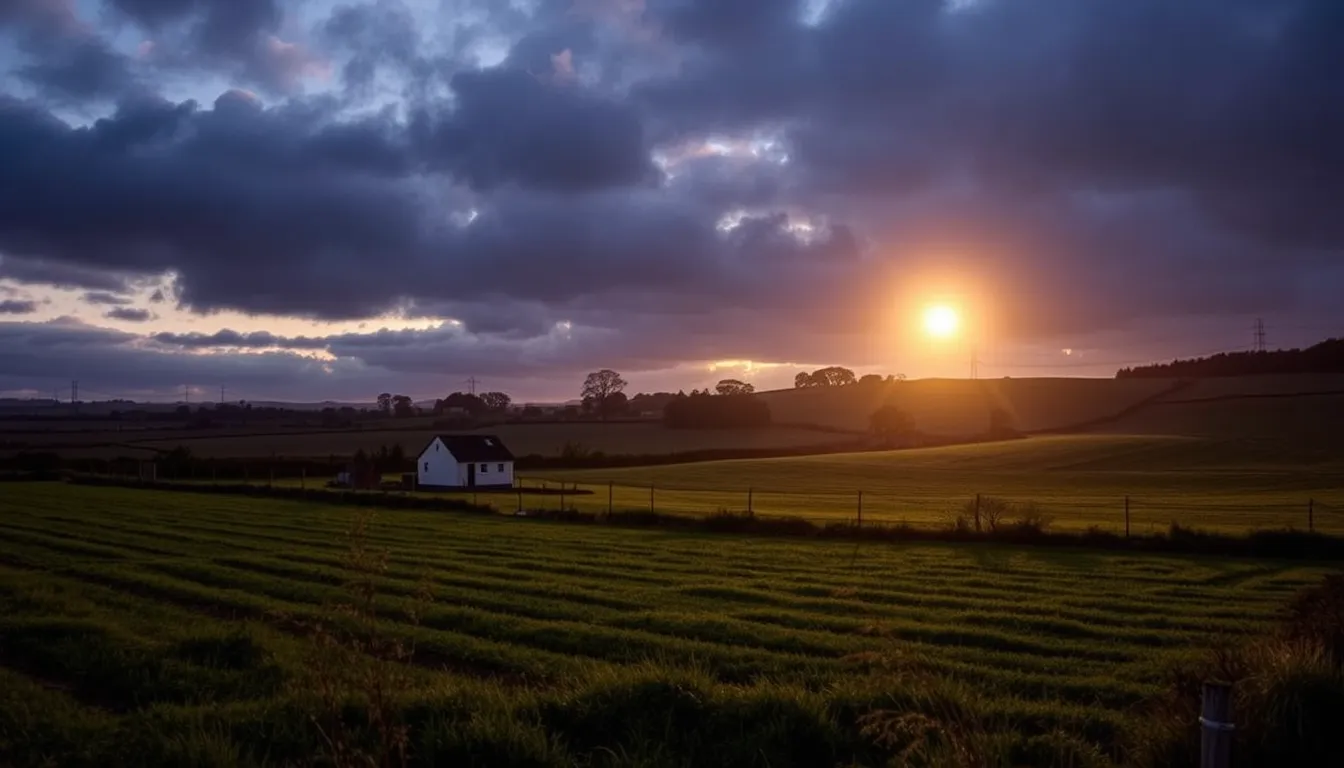
Cornwall Council is preparing to reshape its farm estate, and for many of us who live across the county, the changes will feel close to home. The estate covers around 10,000 acres and includes roughly 80 farms, from small holdings on the edges of villages to larger working units that have been part of the local landscape for generations. The council’s long-term plan sets aside 400 acres of that land for housing as part of its wider Homes Cornwall programme, with an initial commitment of 100 acres during the current administration. The stated goal is to ease pressure on a housing market where many local families, young people and key workers struggle to find a home they can afford. Cabinet is due to consider the Farms Strategy 2019-2039 at its meeting on Wednesday 11 November, and a recommendation is expected to be approved. That recommendation calls for each farm to be assessed against financial targets, with elements that do not contribute enough being removed from the estate. In practical terms, this means some dairy farms may be reduced and some farm buildings and equipment may be scaled back. The council has been clear that it is not selling the whole estate. Instead, it is moving towards a model that focuses on the land itself while letting go of costly properties that are expensive to maintain.

What the Changes Mean for Farmers and Rural Businesses
For tenant farmers, the announcement is more than a headline. Many families have worked council-owned land for decades, and any reduction in dairy holdings or farm buildings will affect their livelihoods, their access to equipment and, in some cases, their long-term plans. The strategy suggests that each farm will be carefully assessed to see whether it can meet its financial targets. That process will be important to watch, because the details of how those assessments are carried out will shape what happens next for individual tenancies. Local contractors, feed merchants, machinery dealers and auction marts also rely on the steady activity that a large estate brings to rural communities. A smaller estate could mean fewer contracts and less trade for these businesses. At the same time, new housing developments often bring construction work, supply chain opportunities and new customers for shops, cafés and trades across the area. Farmers and rural businesses who want to understand how the strategy could affect them should talk to their county farms officers and keep an eye on the minutes and papers published after the Cabinet meeting. Getting involved early, while the plans are still taking shape, gives local people the best chance to influence the outcome.
What Residents Should Know and What to Watch Next
For everyday residents, the most important point is that the plan is still developing. Cabinet approval on 11 November will set the direction, but individual sites, timings and planning applications will come later, and each one will go through its own consultation process. If you live near a council farm, or you walk, ride or exercise your dog across farmland and footpaths in your area, it is worth checking whether any access routes or boundaries might change. Visitors are part of this picture too. Many people come to Newquay each year, drawn by the coastline, the surf at Fistral Beach and the wide choice of dog friendly accommodation that makes it easy to bring the whole family along. Rural land around coastal towns helps keep those trips enjoyable, from quiet lanes to country walks, so changes to farm land can matter to the visitor economy as well as to local farmers. If you have a view on how the estate should be managed or where new homes should go, the best steps are to read the published strategy, attend public meetings, and contact your local councillors. Keep an eye on council updates and local news as the plans move from strategy to specific proposals.
Source: Hundreds of acres of Cornwall Council farms to be covered in new homes