Cornwall Council Eyes New Bus Network Control as £12m Annual Bill Grows
What’s Happening to Our Buses? Here’s What You Need to Know
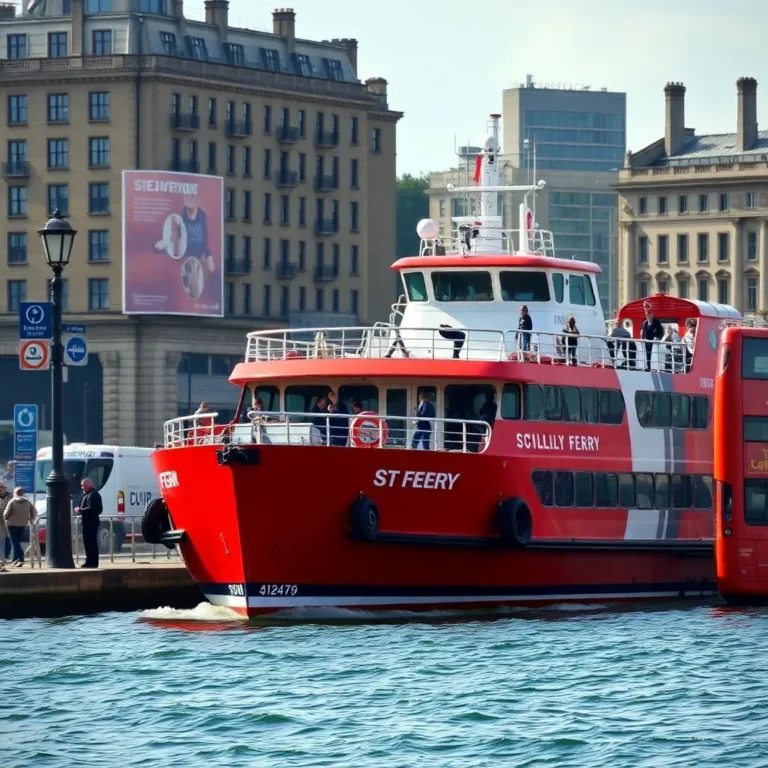
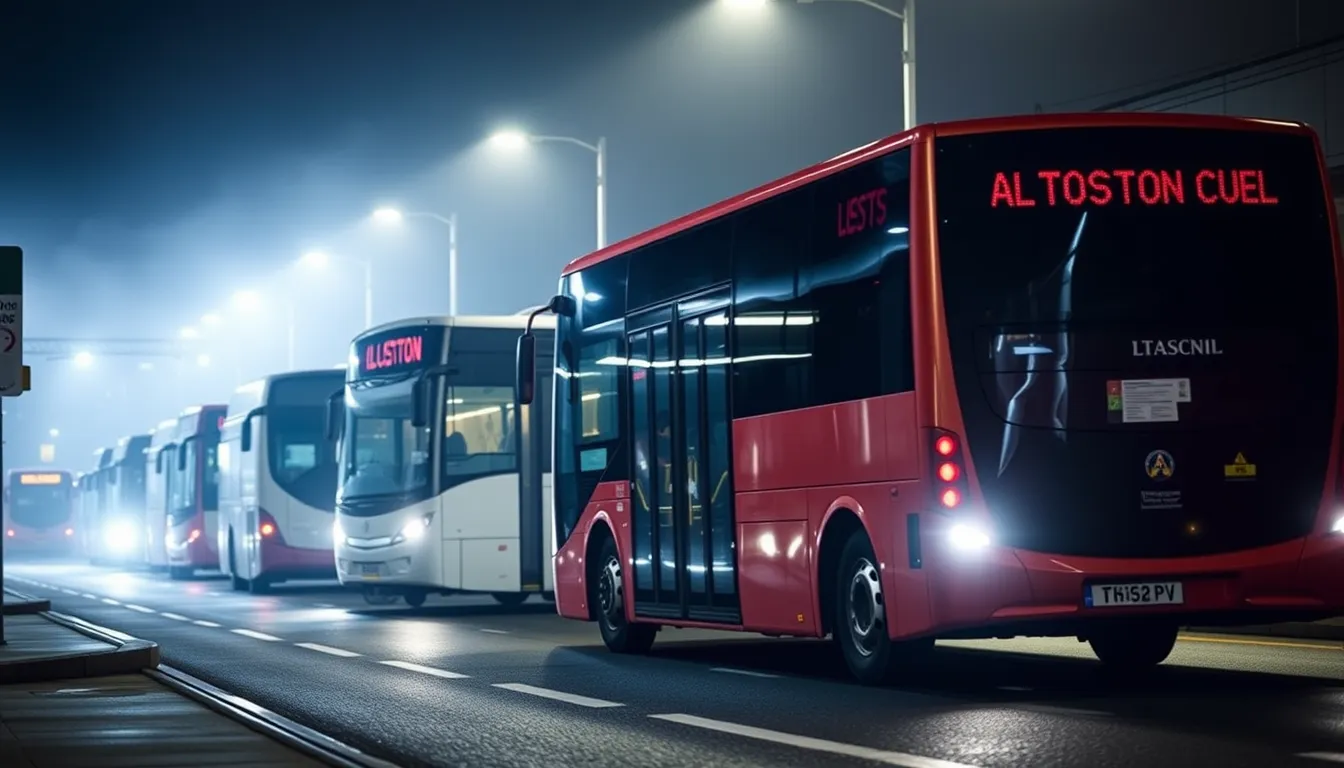
If you’ve caught a bus around Cornwall lately—whether heading to Fistral Beach for a day out or travelling through Newquay to visit local shops and attractions—you’ve been part of a network that costs taxpayers £12 million annually. Now, Cornwall Council is grappling with a fundamental question: who should run our buses, and can we actually afford it?

A new study funded by the Department for Transport has identified three potential futures for our county’s bus services. The current model sees Go Cornwall operating most routes with council subsidies. But there are alternatives on the table, ranging from greater council influence over fares and planning, right through to the council owning and operating everything itself—buses, depots, and all.
The stakes feel personal because buses matter to how our communities function. Residents without cars depend on them. Businesses in town centres like Newquay rely on customers arriving by bus. Families visiting attractions like Fistral Beach need reliable transport links. The last shock came in February when First Bus abruptly withdrew from half the county, leaving thousands stranded. That crisis proved how fragile our current arrangement really is.
The Options on the Table and What They’d Cost
Cornwall Council’s sustainable growth committee has been presented with a cost-benefit analysis that reveals the uncomfortable truth: better bus services come with higher price tags.
The most attractive option is something called Enhanced Partnership Plus (EP Plus). This model would give the council real influence over commercial routes and fares—areas currently controlled by private operators. The study suggests that for every pound spent, this approach could generate £4.19 in benefits over 30 years, totalling roughly £41 million in value. Implementation would cost around £6 million over the first two years. That’s significant but manageable compared to other options.
Then there’s the nuclear option: full council ownership. Buying all the buses and depots would cost more than £150 million in the first two years alone. No wonder councillors are asking tough questions about affordability.
The reality is sobering. Rebecca Riley, the council’s head of strategic transport, told the committee that the current network itself is technically unaffordable—the council already uses every penny of government subsidy available just to keep services running. Meanwhile, council leadership is wrestling with budget pressures across every service, from social care to highways.
What This Means for You and What Happens Next
Whether you’re a daily commuter relying on buses to reach work, a parent sending teenagers to school, a business owner in Newquay, or a visitor planning to go to Newquay for a seaside break with dog friendly accommodation, this matters. Bus reliability affects our quality of life and local economy.
Here’s what’s happening next: the Department for Transport has given Cornwall an additional £1.06 million to undertake a full franchising assessment over the next three years. The committee has agreed to support this deeper dive, which will examine whether franchising—where the council contracts with operators but maintains control—is the best path forward.
Cornell councillors remain cautiously optimistic but realistic. Several emphasised that regardless of which model is chosen, buses will likely always need subsidy. The key question is whether extra investment could improve reliability and service quality—something many residents feel has deteriorated over recent years.
Stay tuned for updates as the council moves through this three-year assessment. In the meantime, if you have views about how buses should work in your community, now is the moment to make your voice heard. Contact your local councillor or attend public consultations when they’re announced. Our transport future is being decided right now.
Source: Council could take full control of Cornwall’s bus network