
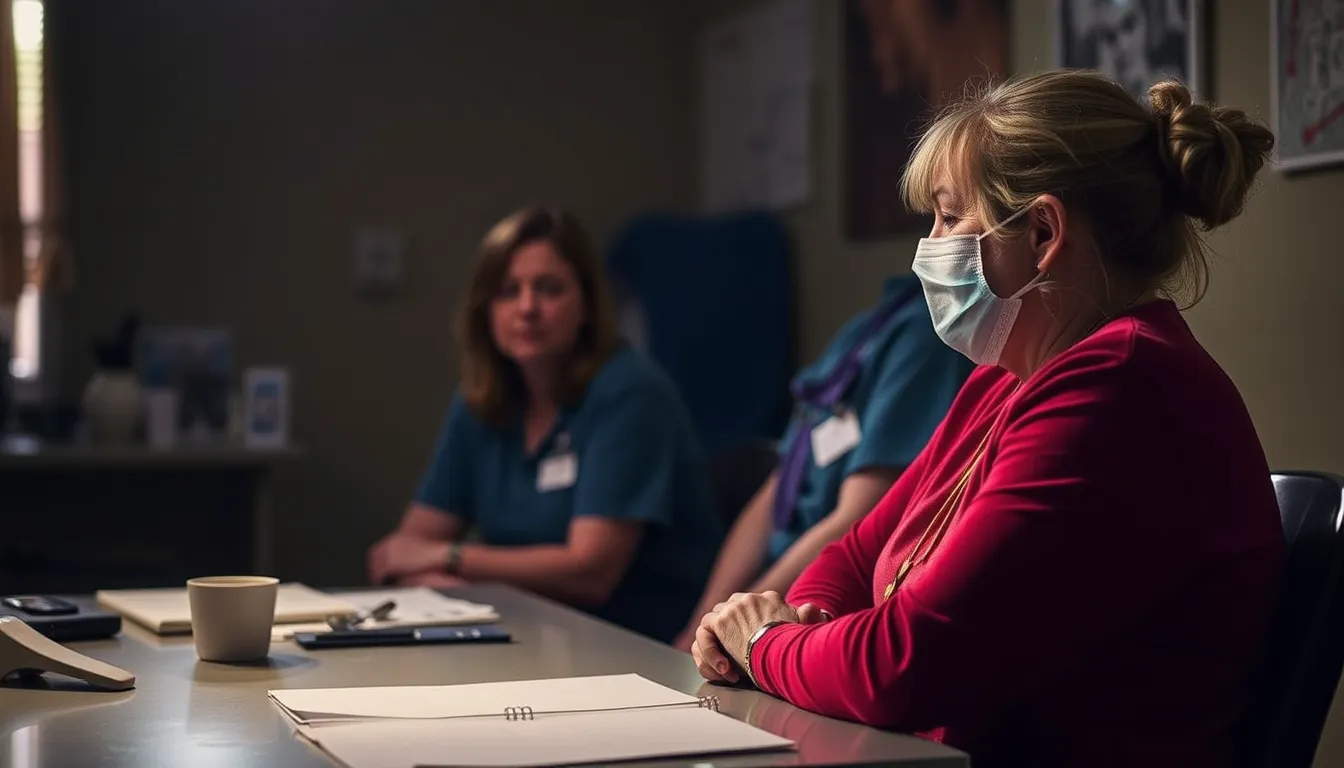
Cornwall Care Workers in Crisis: Report Reveals Burnout Crisis
Care Staff Stretched to Breaking Point Across Cornwall
A damning report from Healthwatch Cornwall has laid bare the exhaustion gripping our county’s care sector. Speaking with 175 care workers and 25 providers and managers, researchers found a workforce that’s deeply committed but dangerously overstretched. Staff describe emotional fatigue, unmanageable workloads, and conditions that feel increasingly unsustainable. From Newquay care homes to rural facilities across the region, the story is remarkably consistent: dedicated professionals are burning out under the strain. The report doesn’t question these workers’ commitment—quite the opposite. It praises their values and experience while warning that we’re relying too heavily on their personal resilience to fill systemic gaps. Pay remains inadequate, recruitment is struggling, and the complexity of care needs keeps climbing. What worries Healthwatch Cornwall most isn’t today’s crisis, but tomorrow’s. If nothing changes, we could see rushed care, broken continuity, and the loss of the human connection that makes good care possible. This isn’t abstract policy debate—it’s about the people looking after our parents, grandparents, and neighbours.

Why This Matters for Your Community Right Now
Whether you visit Newquay for leisure or live here year-round, quality care services shape our community’s wellbeing. These care workers aren’t distant figures—they’re your neighbours supporting vulnerable residents in hospitals, homes, and community settings. Structural pressures are the real culprit: national funding arrangements that don’t keep pace with rising costs, recruitment challenges that leave posts vacant, and policy changes happening faster than staff can adapt. Cornwall Council acknowledges many challenges lie beyond its direct control, yet locally, investment in the Proud to Care Cornwall initiative shows commitment to supporting the workforce. The council recently received a positive CQC assessment, but this report suggests that achievement masks underlying fragility. For local residents, the implications are serious. Rushed care decisions, staff turnover, and reduced continuity directly affect care quality. When experienced carers leave, institutional knowledge walks out the door. Families relying on care services need to know whether their loved ones receive consistent, thoughtful attention or hurried, fragmented support. This report gives voice to workers who’ve been silent too long, and that visibility is crucial for change.
What Happens Next: Six Steps for Real Change
Healthwatch Cornwall didn’t just identify problems—it outlined six concrete recommendations for commissioners, providers, and sector partners. First, addressing the structural causes of stress and burnout means tackling pay, funding, and workload head-on. Second, workforce strategies must reflect genuine cost pressures rather than wishful thinking. Third, training and planning need alignment with increasingly complex care needs. Fourth, the pipeline for younger workers needs real attention—care isn’t attracting the next generation yet. Fifth, frontline staff must hear clearly about policy changes affecting their work. Finally, system coordination across health and care partners must strengthen. Debbie Gilbert, Healthwatch Cornwall’s CEO, emphasizes that approximately 1.25% of the workforce was surveyed, yet themes were strikingly consistent. This consistency suggests the problems are real and widespread, not isolated complaints. Local residents should watch how Cornwall Council and care providers respond over coming months. Demand transparency on recruitment progress, pay improvements, and staff retention rates. Support care workers when you interact with services. Consider careers in care if you’re seeking meaningful work. The sector needs fresh energy and sustainable conditions. Your attention and advocacy matter—these recommendations only work if the community holds decision-makers accountable.
Source: Cornwall’s care workers facing high levels of stress, report says