Community CCTV Partnership Boosts Local Crime Fight
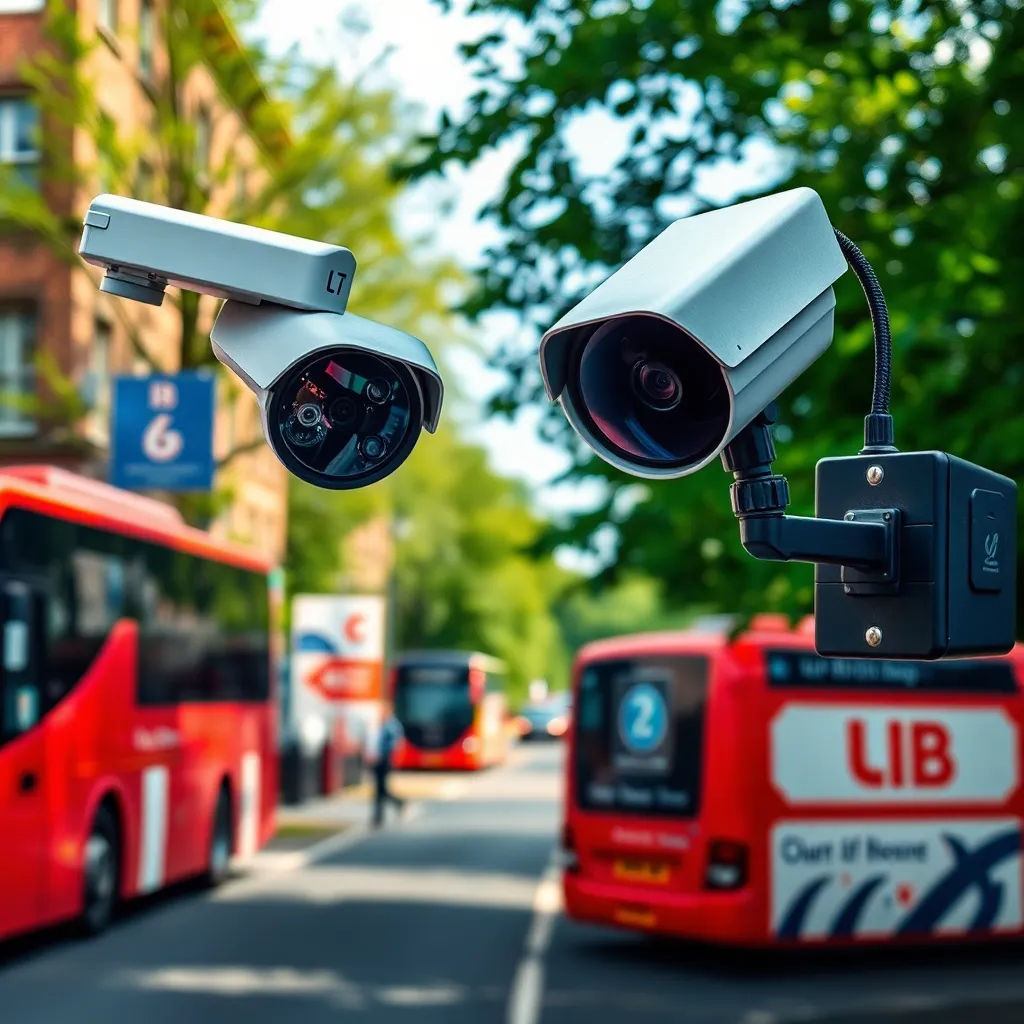
The article introduces a pivotal development in local crime fighting strategies: the implementation of a new media system designed to streamline police requests for CCTV footage. This innovative approach relies entirely on the voluntary participation of businesses and private citizens who operate surveillance cameras. The core concept is to establish a network of willing contributors whose CCTV systems can provide crucial evidence, thereby significantly enhancing the force’s investigative capabilities and response times to incidents.

The local impact of such a system is potentially profound. Instead of solely depending on public CCTV infrastructure or time-consuming manual evidence collection after an event, the police force can access a pre-registered database of cameras. This proactive registration could drastically reduce the time required to identify potential witnesses or gather vital evidence following a crime, from minor incidents like shoplifting to more serious offenses. For local businesses, volunteering their CCTV footage offers a tangible way to contribute to community safety, potentially deterring crime in their immediate vicinity and fostering a safer trading environment. Similarly, individual homeowners participating in the scheme could strengthen neighborhood watch efforts and act as a deterrent to local criminality, enhancing their own security and that of their street or block.
Community relevance is central to this initiative. It transforms crime prevention and detection into a collaborative effort, moving beyond traditional policing models to actively embrace citizen participation. The success of the system will directly depend on the level of trust and cooperation between the police and the public. By inviting voluntary registration, the force signals a desire for partnership, empowering residents and business owners to play an active role in maintaining public order and safety. This shared responsibility could foster stronger community bonds and a collective commitment to safety, making local areas less attractive targets for offenders. While no specific locations, people, or events are detailed, the very nature of this system implies widespread application across various neighborhoods, with every participating camera potentially contributing to the resolution of countless local incidents and fostering a safer environment for everyone.
(Source: https://www.bbc.com/news/articles/ckgdxp91ryzo?at_medium=RSS&at_campaign=rss)