
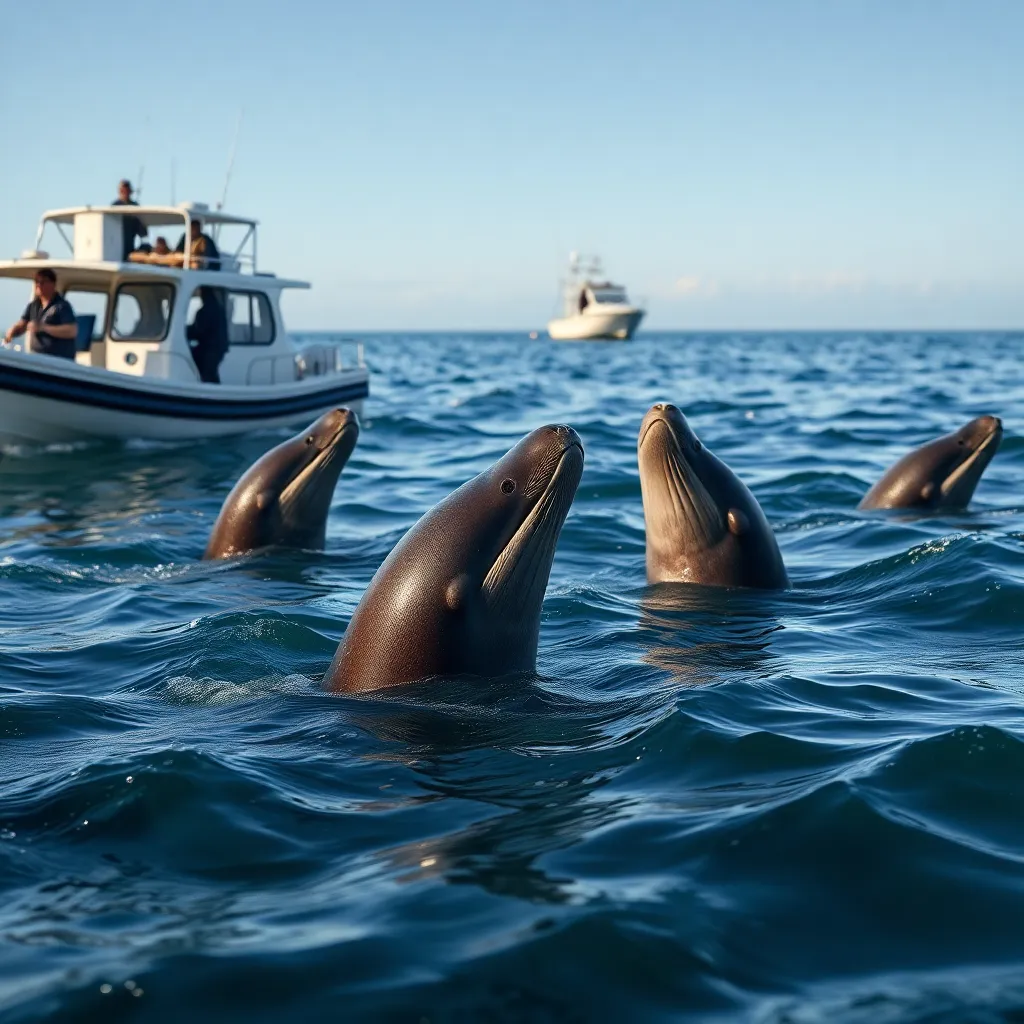
Coastal Porpoises Silence Calls Amidst Boat Activity
Research from the University of Exeter reveals a concerning behavioral change in porpoises: they significantly reduce their distinctive echolocation ‘buzzes’ when in close proximity to numerous vessels. This finding, while concise in its initial report, carries profound implications for marine ecosystems and coastal communities. Porpoise ‘buzzes’ are not mere sounds; they are a critical survival mechanism, employed for hunting prey, navigating their environment, and potentially for communication within their pods. A reduction in these vital acoustic signals directly suggests impaired foraging efficiency, heightened stress levels, and a potential inability to effectively avoid obstacles or predators.

The local impact of this research is substantial, particularly for regions with bustling coastal waters. Many coastal communities, especially those surrounding the southwest of England where the University of Exeter is based, share their maritime spaces with these sensitive marine mammals. The study underscores the often-unseen consequences of increasing marine traffic, from recreational boating to commercial fishing and shipping. For local fishermen, tour operators, and even casual boaters, this research highlights the need for greater awareness regarding their presence and activities in porpoise habitats.
Community relevance stems from the shared responsibility for marine health. The University of Exeter’s work provides crucial data that can inform local conservation strategies, potentially leading to discussions about vessel speed limits, designated quiet zones, or improved boater education programs. A healthy porpoise population is often an indicator of a thriving marine environment, which in turn supports local economies dependent on fishing and eco-tourism. This study serves as a call to action for local stakeholders, encouraging sustainable maritime practices to ensure the long-term well-being of porpoises and the broader marine ecosystem they inhabit. It emphasizes how academic research, even a single finding, can spark vital conversations and drive change within a community committed to its natural heritage.
(Source: https://www.bbc.com/news/articles/ckgyvy7x9kvo?at_medium=RSS&at_campaign=rss)