Care Home Staffing Crisis: What Devon’s Sector Faces Ahead
The Staffing Challenge Facing Our Care Homes
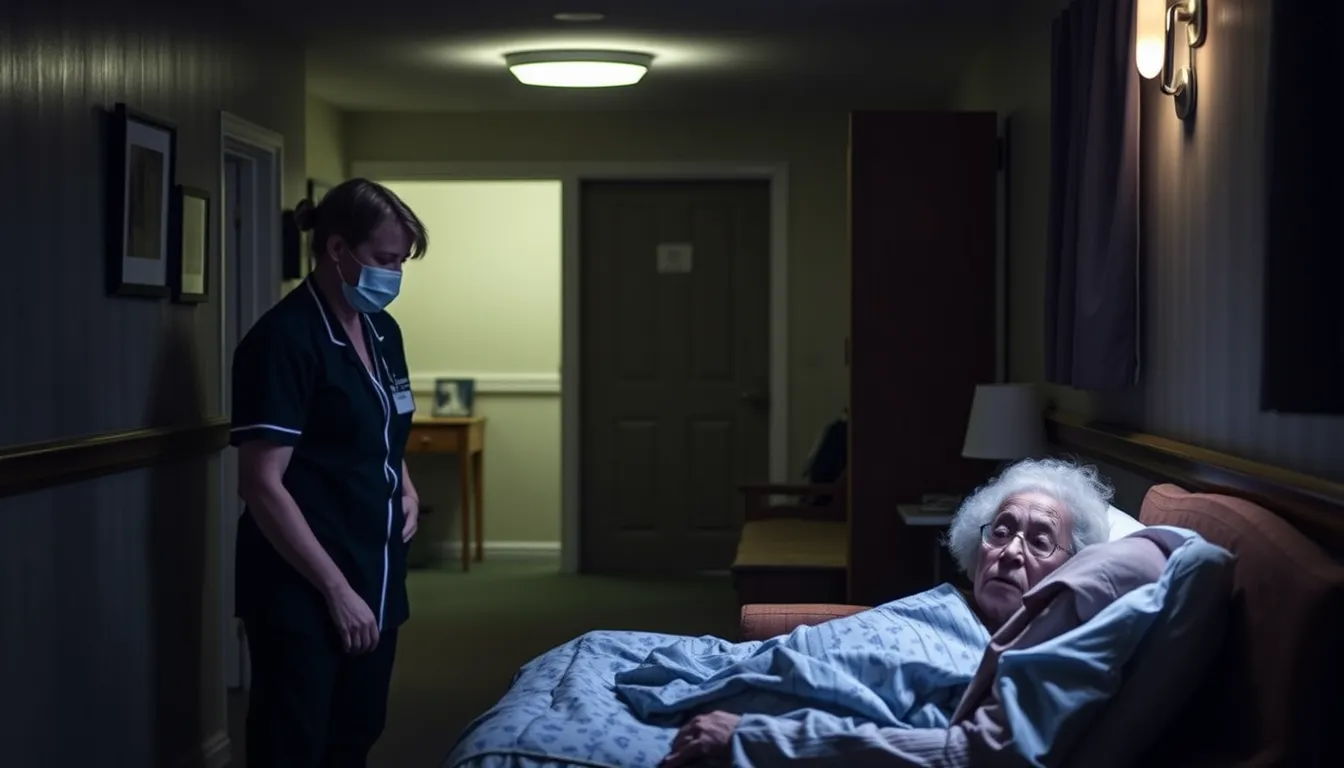
Care facilities across Devon are grappling with a persistent staffing problem that’s reshaping how they operate and who they employ. Sefton Hall care home in Dawlish represents a microcosm of this broader challenge — with approximately 60 per cent of their care staff coming from overseas. Manager Gabriela Ogreanu has become a vocal advocate for understanding the complexities of recruitment in the care sector, highlighting what many local providers know well: British workers are simply not applying for these roles in sufficient numbers.

Even when facilities offer wages above the national minimum and provide stable, meaningful work supporting vulnerable people with complex needs, positions remain unfilled. The care sector, which serves our ageing population across coastal communities and rural areas, depends on this workforce to maintain quality standards and ensure residents receive proper attention. For those who’ve visited family members at care homes or work in the sector themselves, this staffing reality shapes daily life — affecting everything from staff-to-resident ratios to the quality of care available in our communities.
Economic Realities and Policy Concerns for Local Businesses
The broader policy debate around foreign worker taxation has direct implications for businesses throughout Devon and Cornwall. Gabriela Ogreanu’s assessment is blunt: while well-established care homes with strong reputations might weather new tax proposals, smaller specialist facilities could face closure. This matters to residents across Newquay, Dawlish, and beyond, as it’s often the smaller, specialist care providers who serve people with the most complex needs.
The economic mathematics of care work presents real challenges. Ogreanu notes that individuals on benefits may actually receive more financial support than care work wages would provide, creating a perverse incentive structure. Beyond care, sectors like agriculture and horticulture — including Cornwall’s significant £100 million daffodil industry — face similar pressures. Local MPs have raised concerns that overtaxing these businesses could trigger cascading problems throughout the economy, affecting food production, hospitality infrastructure, and essential services that visitors and residents rely on when they visit Newquay or other tourist destinations.
What Young People Need: Opportunities and Support in Coastal Communities
Employment charity Spear has identified a troubling picture for young people entering the job market, particularly in coastal areas like Devon’s tourism-dependent communities. The landscape for youth employment is described as “quite bleak,” with limited opportunities beyond seasonal hospitality and tourism work. When positions do exist in care or agriculture, young people often lack the experience or confidence to access them.
Ben Torrens from Spear emphasizes that availability of jobs doesn’t automatically translate to uptake — there’s often a cultural disconnect. Young people who haven’t witnessed the benefits of employment modelled in their families and communities show low enthusiasm for work, even when positions exist. For residents who care about our area’s future, this suggests we need more than policy fixes. We need community-based mentorship, workplace experience programs, and local businesses willing to invest in young talent. Organizations and employers across Devon should consider how they can create pathways into employment. Whether you’re planning to go to Newquay for the beaches or live here year-round, supporting youth employment strengthens our entire community’s economic health and social fabric.
Source: Care home boss critical of foreign worker tax