Atlantic Storms Trigger Mass Puffin Starvation, Coastal Crisis
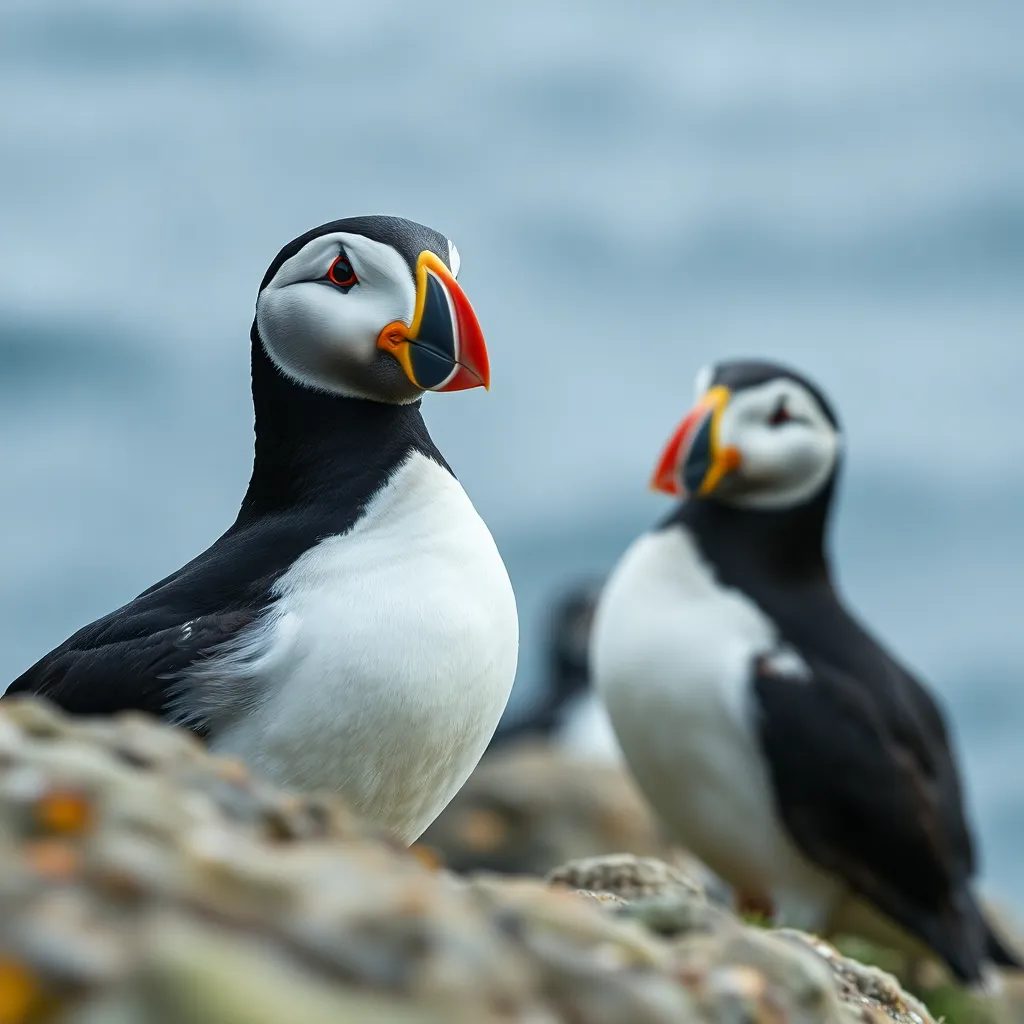
Recent severe storms across the Atlantic have triggered a devastating ecological event, leading to the widespread starvation of thousands of seabirds, particularly puffins, whose emaciated bodies are now washing ashore across an extensive geographical area. This grim phenomenon is being observed along the south west coast of Britain, the Channel Islands, and French beaches, highlighting a significant marine crisis. Environmental agencies and local communities are grappling with the immediate aftermath and the potentially severe long-term implications for avian populations. The intense weather conditions, characterized by prolonged gales and turbulent seas, are believed to have made foraging for food impossible for extended periods, or displaced crucial prey species like sandeels, leaving these iconic birds too weak to survive the harsh maritime environment.

The local impact across these coastal regions is profound and deeply distressing. Residents and visitors on the affected coastlines, from the shores of Cornwall and Devon in the UK to the rocky outcrops of Jersey and Guernsey in the Channel Islands, and further south along the beaches of Brittany and Normandy in France, have reported unprecedented numbers of dead birds. This widespread tragedy has spurred local volunteers, conservation groups, and wildlife organizations into urgent action. They are organizing extensive beach clean-ups, collecting samples for post-mortem analysis to determine the exact cause of death, and meticulously documenting the scale of the tragedy. The sight of thousands of lifeless puffins, a species already facing conservation challenges due to habitat loss and fishing pressures, has sparked widespread concern among conservationists and the general public.
The community relevance of this event is underscored by the direct engagement and emotional toll on coastal populations. Local authorities are coordinating efforts, while environmental charities are actively raising awareness about the broader implications of such mass mortality events. These incidents can signal deeper ecological imbalances within the marine environment, potentially exacerbated by changing climate patterns affecting storm frequency and intensity. This serves as a stark reminder of the interconnectedness of weather patterns, ocean health, and avian populations, prompting calls for enhanced monitoring, research into marine food webs, and protective measures for vulnerable seabird colonies. The sheer scale of the deaths, spanning multiple nations and coastlines, underscores a regional ecological emergency demanding concerted and sustained attention from both local and international bodies.
(Source: https://www.bbc.com/news/articles/cz0g1l847ygo?at_medium=RSS&at_campaign=rss)