Scillonian III Retires: Remembering Its Roughest Scilly Crossings
The Stretch Every Scilly Traveller Remembers
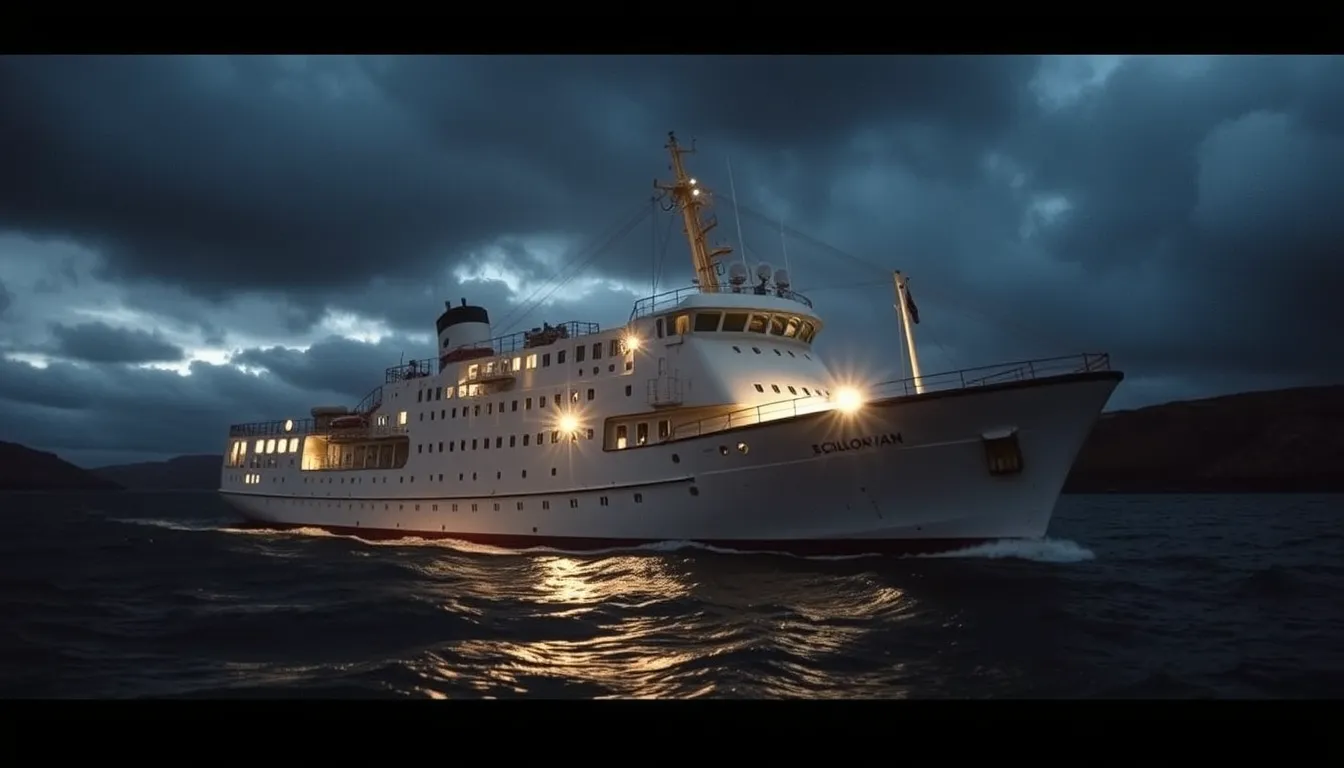
Anyone who has made the crossing from Penzance will tell you the same thing: the first half hour feels deceptively calm. Leaving the harbour, the Scillonian III tends to settle into a steady rhythm, and first-timers often relax with a cup of tea. That changes once the boat clears the bay and the open sea opens up beyond Mousehole. On one typical morning a few years ago, a sailing that had already been brought forward to an 8am departure because of rising swell and wind met the full force of the Atlantic as it passed the coast near Penlee Point. Our footage from that day shows the bow lifting and dropping with real intent, and spray hitting the windows in sheets. Locals who grew up watching the boat head out past the headland know this stretch well. It is the point where the journey stops being a pleasant trip and becomes a test of stamina, and where many passengers quietly decide they have made a big mistake. Hearing the crew’s warning before departure is one thing. Experiencing it as the hull slams into a trough is another. That gap between expectation and reality is why so many people still talk about their Scilly crossings long after they have reached dry land.

More Than a Boat: What the Ferry Meant Here
For islanders, the Scillonian III has never been just a tourist attraction. It has been a lifeline for more than half a century, carrying post, building materials, fresh supplies, visitors, and the occasional nervous hospital patient across the water to the mainland. Businesses on St Mary’s, Tresco, and the other inhabited islands rely on regular sailings to keep shelves stocked and guests arriving on time. In Penzance, the ferry has supported hotels, cafés, taxi drivers, and the harbour staff who see the vessel leave each week. The crew, many of whom have worked on the boat for years, have spent countless mornings reassuring anxious passengers and keeping the ship on schedule despite the weather. Their experience is a big part of why the crossing, however uncomfortable, has rarely been dangerous. Our footage also shows some passengers sitting out on deck during rough water, which is precisely the kind of decision the crew warns against. Staying inside, keeping low, and following crew instructions are the simple habits that keep rough crossings safe. As the boat retires, it is worth remembering the people behind the ferry, not just the spectacle of spray and swell.
What Residents and Visitors Should Watch Next
With the Scillonian III leaving service, the key question for locals is how the new arrangements will work in practice. Check the operator’s website for updated timetables, sailing times, and luggage and pet policies before you book, as these can change with the vessel and season. If you are planning a crossing this year, consider the sea conditions. Early sailings are often brought forward when swell builds, so set alarms and arrive at Penzance with time to spare. Sea-sickness remedies are worth taking before you board, and choosing a seat near the middle of the vessel can make the motion easier to handle. Families and older passengers should plan for a longer day, especially if weather delays arrive. Residents of west Cornwall might also think about alternative plans for the summer. If the Scilly trip is not for you, a day out nearer home can be just as memorable, and many people choose to go to Newquay for its beaches, surf schools, and cafés. Whatever you choose, keep an eye on local news and operator updates, because the next chapter for island travel is still taking shape.
Source: ‘Uncomfortable’ Scillies ferry trip turned stomach-churning in video