Cornwall Council Admits £1m St Austell Pub Deal Was Major Mistake
How a St Austell Landmark Became a £725,000 Loss
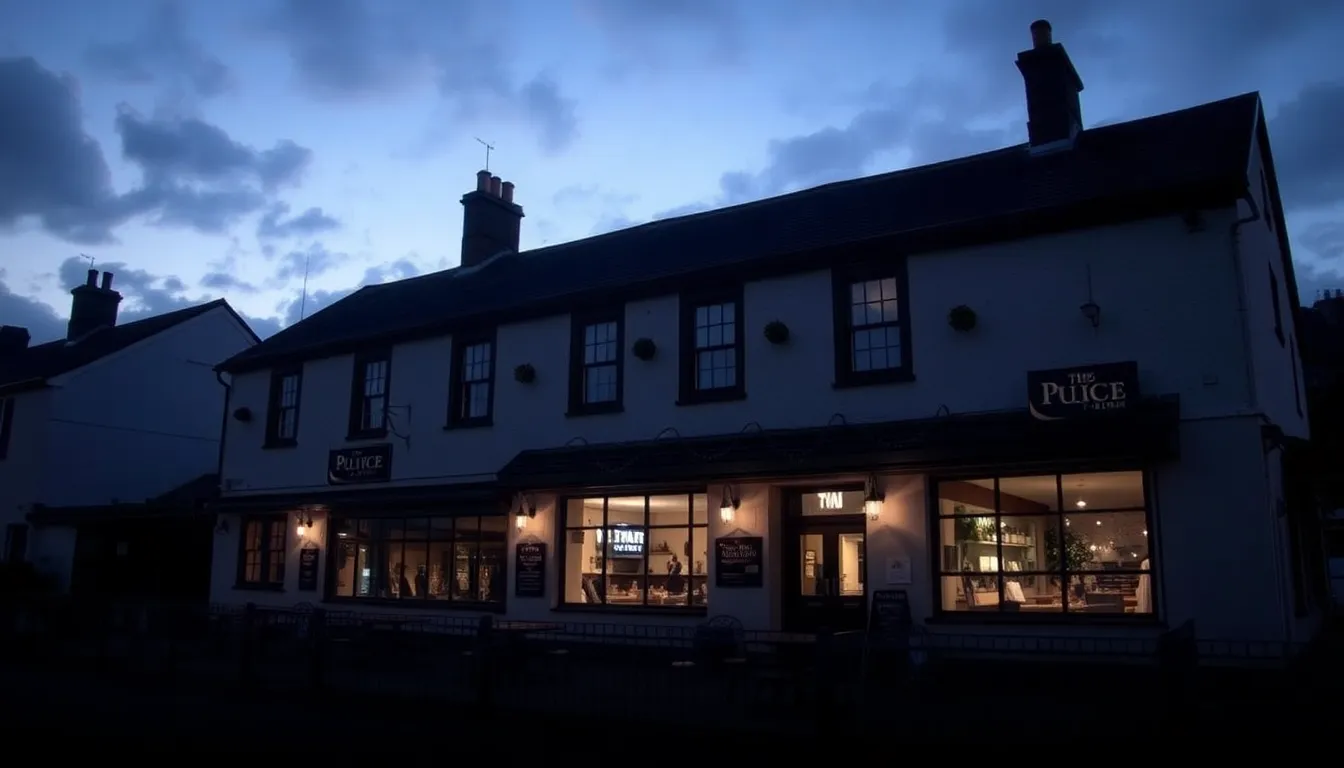
The General Wolfe pub in St Austell has become a cautionary tale about property investment gone wrong. In 2020, Cornwall Council purchased the Grade II listed building through its arms-length company, Corserv, with ambitious plans to convert it into temporary housing accommodation. The vision seemed sound—repurposing a vacant historic structure to address local housing needs. However, the project quickly unravelled. As the building sat empty year after year, deterioration accelerated and unexpected costs mounted dramatically. By last summer, renovation estimates had ballooned to over £2.5m, making the scheme increasingly unaffordable. The council’s leadership has now acknowledged this was a fundamental miscalculation, with the property eventually sold at auction for just £275,000—a staggering loss of £725,000 in taxpayer funds. Leader Leigh Frost stated plainly that “this one was a cock-up,” accepting responsibility without attempting to deflect blame. The lengthy vacancy also created problems for the surrounding St Austell community, as the derelict building became a magnet for anti-social behaviour.

What Went Wrong: Lessons for Your Community
Questions persist about how such a significant investment decision received approval without thorough preliminary checks. Reform UK councillor Jack Yelland has raised concerns that the council may not have conducted a comprehensive feasibility study before committing public money. Unlike nearby attractions such as visit Newquay’s thriving seafront, where tourist infrastructure is carefully planned, this St Austell property appears to have been purchased with insufficient groundwork. Councillor Yelland suggests that skipping essential due diligence played a larger role in the failure than external factors like inflation or pandemic disruptions. However, Council Leader Frost has resisted calls for a formal investigation, arguing that revisiting what already went wrong would waste more public resources without changing the outcome. Instead, he’s emphasised that “lessons have been learnt” and committed to preventing similar mistakes moving forward. For residents, this highlights the importance of scrutinising how local authorities spend community money and demanding accountability before major purchases are approved, rather than investigating failures after the fact.
What This Means for St Austell and Beyond
The General Wolfe debacle raises serious questions about local government property decisions that affect residents directly. St Austell residents needed temporary housing solutions—an ongoing challenge across Cornwall just as much as dog friendly accommodation is important for visitors who want to bring pets when they visit Newquay or enjoy Fistral Beach. The council’s failed initiative means those housing needs remain unmet while £725,000 in taxpayer funds has simply vanished. The Grade II listed status that protected the building also complicated redevelopment, yet this constraint apparently wasn’t fully assessed beforehand. Moving forward, locals should watch how the council implements promised safeguards to prevent repeated failures. Request transparency in future property acquisitions and demand that thorough feasibility studies precede major spending decisions. Community groups, particularly those focused on housing and regeneration, should engage with council planning processes early. St Austell residents deserve better stewardship of public resources, and holding leadership accountable—through questions at public meetings and local scrutiny—is how communities ensure taxpayer money is spent wisely on genuine local priorities.
Source: Cornwall Council leader admits £1m pub deal was ‘cock-up’