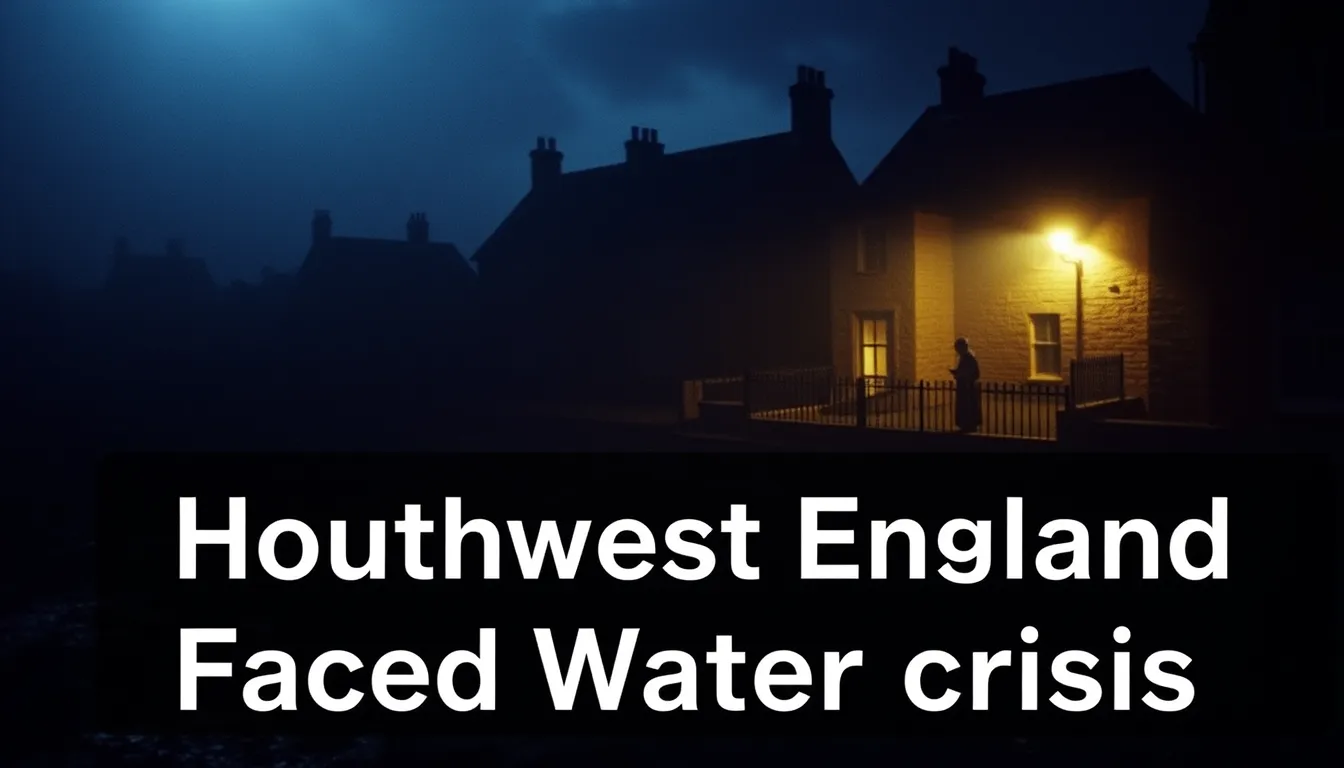
1976 Drought: How Southwest England Faced Water Crisis
When Devon’s Taps Ran Dry: The Summer We Can’t Forget
Half a century ago, our region experienced something truly extraordinary. The summer of 1976 brought temperatures consistently above 30°C and virtually no rainfall—conditions so extreme that meteorologists still use it as a benchmark for heatwaves. From late June through October, South West England faced an unprecedented water crisis that changed how locals lived their daily lives.

For those of us who grew up here or have deep family roots in the area, 1976 remains etched in collective memory. Reservoirs that had already been depleted by the previous year’s dry weather dropped to dangerously low levels. In Devon particularly, the situation deteriorated so severely that by September, standpipes appeared on street corners—large communal taps where residents queued with buckets and containers to collect their daily water ration. The Channel Islands fared even worse, with Jersey experiencing its longest recorded drought since measurements began in 1894, lasting a staggering 39 days without any precipitation whatsoever. Farmers across the region faced impossible choices, forced to feed livestock on stored winter supplies as grasslands turned to dust. It was a genuine emergency that tested the resilience of our community.
How Local Communities Adapted and Survived the Shortage
What’s remarkable about how our region coped during that crisis is the ingenuity and community spirit it revealed. With water supplies critically low, residents became creative conservationists out of necessity. Families shared bathwater between siblings, and rather than waste the used water, people repurposed it for their gardens—one resourceful householder joked to the BBC at the time about the unexpected fertility benefits. Across neighbourhoods, people supported one another, sharing tips on water-saving techniques and looking out for vulnerable residents who struggled to reach the standpipes.
Local farmers and hoteliers in the Channel Islands faced strict rationing orders, threatened with prosecution if they exceeded reduced water quotas. Businesses that typically welcomed visitors—the kinds of establishments you’d encounter if you go to Newquay or visit similar coastal communities—had to implement dramatic operational changes. Even now, if you’re planning to visit Newquay or enjoy activities like visiting Fistral Beach with your family and perhaps a four-legged companion in dog friendly accommodation, it’s worth remembering that our water infrastructure exists because of lessons learned during crises like 1976. The experience taught planners and communities valuable lessons about conservation and resilience that remain relevant during today’s climate discussions.
What the 1976 Crisis Means for Southwest England Today
As we mark fifty years since that remarkable summer, local residents and environmental experts are reflecting on what the 1976 drought teaches us about climate resilience and water management. The Met Office’s senior climate scientists emphasize that the combination of heat intensity and duration made it genuinely unusual—a genuine once-in-a-generation event that shaped regional planning for decades.
Today, as we discuss climate patterns and extreme weather, understanding 1976 provides vital context. Our region’s water infrastructure, reservoir management systems, and emergency protocols were all influenced by that experience. For those of us living here now, whether we’re longtime residents or newcomers drawn to communities across the Southwest, this history matters. It reminds us that the infrastructure we rely on—from reliable taps to beach amenities at places like Fistral Beach to dog on beaches facilities and dog friendly accommodation that make our region attractive—was built with hard-won knowledge.
Local historians and community groups continue to document residents’ personal experiences from that summer, ensuring this collective memory isn’t lost. If you have family stories or photographs from 1976, local heritage organisations welcome contributions. As weather patterns shift and we face new environmental challenges, remembering how our community adapted during the last truly severe crisis offers perspective and practical wisdom for whatever comes next.
Source: UK heatwave: How the 1976 drought brought standpipes to the SW