Gweek: The Helford River Village That Rivals Port Isaac for Charm
From Tin Trade to Sleepy Riverside Village
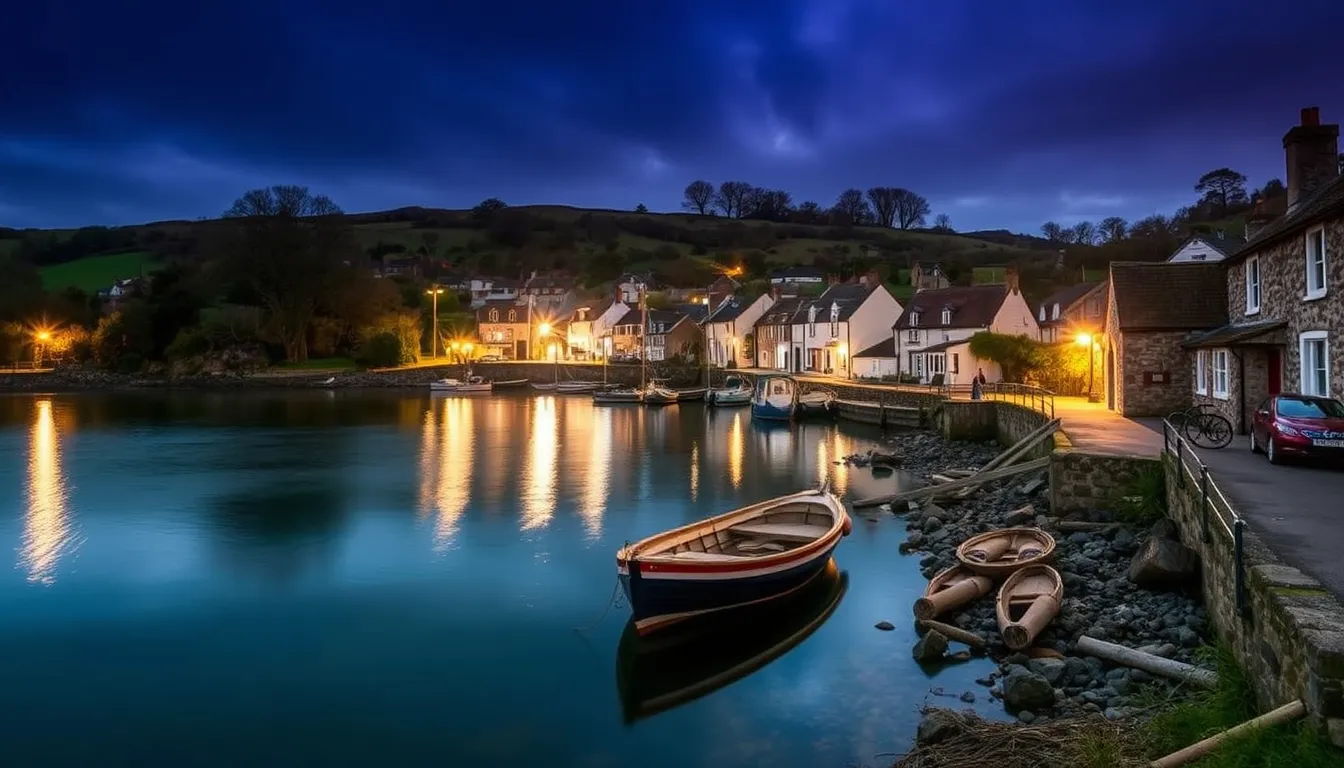
Anyone who drives down into Gweek quickly notices it feels a world away from the crowded lanes of Port Isaac, and that quieter pace is much of its appeal. Sitting at the head of the Helford River, Gweek marks the furthest point the tide reaches on this stretch of water. Today most of the boats you see are recreational, bobbing among moorings as walkers stroll the banks. But this was once a working port. Local historians believe trade here stretches back many centuries, and by medieval times Gweek had grown into the busiest harbour in the area.

The village’s fortunes followed the mines. Tin and copper from the workings around Wendron made their way down to the quay, while coal and timber came in to keep the mines running. As the mining economy faded, exports dwindled, and the river gradually silted up. By the late nineteenth century the larger vessels had stopped coming, and Gweek settled into the peaceful riverside community you see today.
Those layers of history are still visible if you know where to look. Old quay walls, the shape of the creek at low tide and the sheltered cottages all hint at a busier past. For residents, this heritage matters because it gives the village a genuine identity rather than a manufactured one. It is a place built around the water, and the river still sets the rhythm of daily life. If you are visiting for the day, take a slow walk along the waterfront and watch how the tide transforms the scene.
The National Seal Sanctuary and the People Behind It
The village’s best-known landmark is the National Seal Sanctuary, a place that has become a source of local pride. It takes in injured seals and pups that have been separated from their mothers, nursing them through treatment and rehabilitation before returning them to the wild. For many visitors, the chance to see the hospital area up close is the highlight, and it is the kind of access that makes the experience feel personal rather than performative.
The sanctuary is not only about seals. It is also home to non-native species, including Californian and Patagonian sea lions, otters and a range of farm animals. Visitors often remark on how well the animals appear to be cared for, and the sanctuary’s staff and volunteers are frequently praised for their knowledge and friendliness.
One recurring theme in visitor feedback is worth noting. Several people have pointed out that this is a rehabilitation sanctuary, not a zoo. An empty pen, one reviewer argued, can actually be a good sign, because it means animals have been healed and released. For residents, the sanctuary provides steady employment and draws people into the village throughout the year. Nearby cafés, food stalls and picnic spots all benefit from the footfall, so the work done behind the scenes has a direct effect on the local economy as well as on wildlife.
Walks, Wildlife and What to Do Next
Gweek sits within the Cornwall Area of Outstanding Natural Beauty, and its landscape blends riverside and coastal scenery in a way that rewards slow exploration. The short walk through the sanctuary introduces you to its residents, but those wanting more can follow a popular route of just under two hours. The Loe Pool loop takes walkers along the Helford River, through ancient woodland and across nearby estates, offering views that change with every bend of the water.
For locals, the practical advice is simple. Check the sanctuary’s opening times before you set out, especially outside peak season, and consider booking ahead during school holidays when the village gets busy. Keep a respectful distance from seals on the shore and never feed wildlife, since wild animals in recovery need space to get strong again. Taking your litter home helps protect both the footpaths and the habitats that make this area special.
If you are staying elsewhere on the coast and want to go to Newquay for the evening after a day on the river, plan your route with the tides and the single-track lanes in mind. Traffic can slow quickly in summer, so leaving a little extra time is wise.
What to watch next is how the village balances its quiet character with growing visitor numbers. Residents will want to keep an eye on local planning discussions, parking arrangements and any changes to footpath access. For now, Gweek remains an easy, rewarding alternative to Port Isaac, and it is well worth a visit.
Source: Pretty Cornish village with seals and river is perfect alternative to Port Isaac