Cornwall Council parking charges set to rise again from April
What the proposed rises mean for your wallet
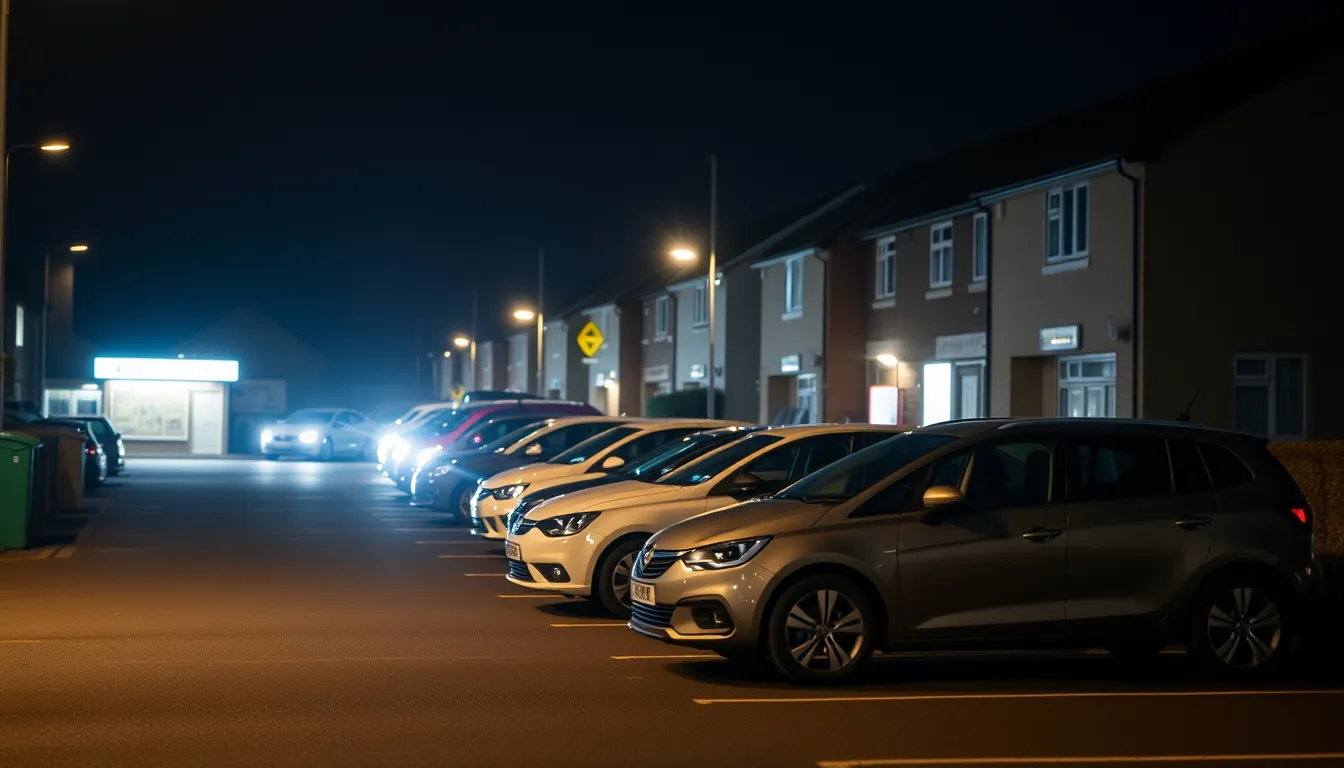
If you drive into a Cornwall Council car park next spring, expect to pay a little more. The council is proposing another round of increases from April, and the changes would apply across the three tariff bands used in the majority of its off-street car parks. For a one-to-two-hour stay in a Band A car park, the price would rise from £5.10 to £5.30. Band B moves from £2.50 to £2.60, and Band C from £1.80 to £1.90. Those figures may look modest on their own, but they add up quickly for anyone who parks several times a week or fills the car for a full day in town. Every time slot is under review, from short stays of up to 30 minutes through to daily and weekly tickets. The JustPark wallet option and coach parking are also on the list.

Context matters here. Last year the council collected more than £16 million from around three million parking stays across the county. Truro has now overtaken Newquay as the biggest earner, bringing in over £2.2 million in 2025/26. Bude and Fowey also feature strongly, while smaller villages such as Cawsand and Callington take far less. Because the banding system only arrived in May 2023, it is hard to compare prices with earlier years. Charges varied widely from town to town before then, so residents are working from a fairly new baseline.
Who will feel the impact across Cornwall
The impact will not fall evenly. Shoppers and commuters in Truro, Bodmin and Camborne will feel it in their weekly budgets, while small independent traders worry that higher charges could push customers towards out-of-town retail parks or online shopping. Town and parish councils have been talking with the parking service about how tariffs might be adjusted to reflect local demand while keeping income steady. That is a balancing act many local representatives will be watching closely.
Visitors are part of the picture too. Anyone planning to go to Newquay this season will likely be parking near Fistral Beach, where surfers and families compete for spaces on busy summer weekends. Higher daily rates mean a day at the coast costs more before you have bought a single ice cream. Those travelling with four-legged friends should also plan ahead. If you are booking dog friendly accommodation or checking the rules for dogs on beaches, build parking costs into your budget, because the total price of a short break is creeping up. Local cafés, surf schools and shops that rely on day-trippers may find that the extra expense nudges some families towards shorter visits.
What residents can do and what to watch next
The proposals are not final. They remain subject to statutory consultation and must be considered alongside the council’s 2027/28 budget before a formal decision is taken by the Cabinet member for transport, Cllr Dan Rogerson. The next visible step is Tuesday 17 November, when the sustainable growth and place overview and scrutiny committee will discuss a tariff review report. Councillors will have the chance to question officers on the figures, so it is a useful meeting to follow if you want to know how decisions are being framed.
Officers say parking demand has held up well. Stays rose from roughly 2.92 million in 2024/25 to 3.09 million in 2025/26, then eased to 2.96 million in 2026/27. They argue there is not enough evidence that price rises have materially reduced demand. Income from April to August grew by around 13 per cent over the period, and the 2026/27 budget projects a net surplus of £15.8 million. A wider parking strategy is also being developed to guide future tariffs and the role parking plays in local transport.
So what can you do? Keep an eye on the council’s consultation pages once the formal process opens, and respond with specifics: how often you use a car park, what a price rise would mean for your household, and whether alternatives such as park-and-ride or better bus links would work for your journey. Speak to your town or parish councillor, who is already in discussion with the parking service. Feedback carries the most weight before the budget is set, so the coming months matter.
Source: Parking charges due to increase again in Cornwall