
Cornwall Fire Crews Stretched by Extreme Weather, Calls for Funding
Why Cornwall’s Fire Crews Are Under Pressure
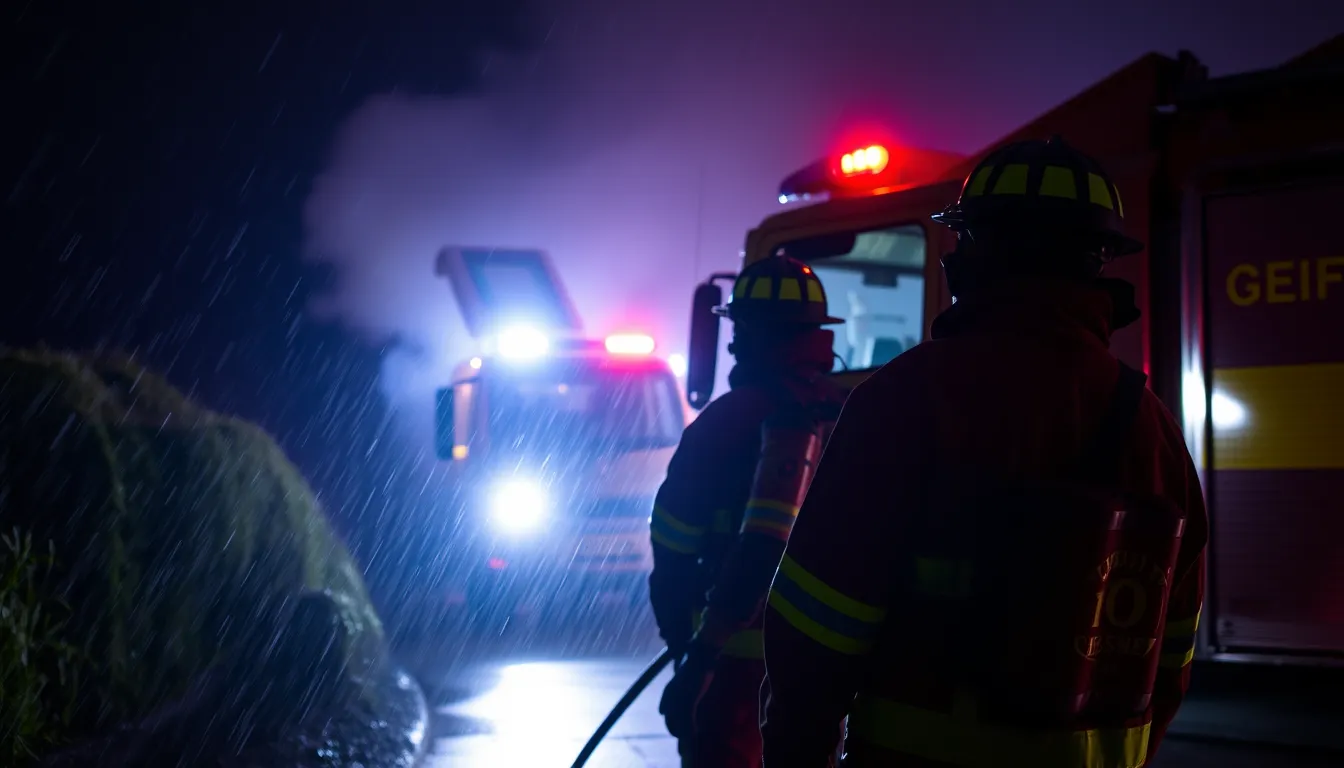
If you have spent any time along the Cornish coast this year, you will have noticed how quickly the weather has turned. Storm Austen tore through the county, and wildfires broke out during the summer months when the ground was dry and the grass was tinder-light. Now the people who answer those emergency calls are asking for help, and their message is hard to ignore. Firefighters across Cornwall say the level of funding for fire and rescue services does not match the part they play in keeping our communities resilient. Fire chief Kathryn Billing told MPs that the risks facing the service have changed significantly. She revealed that around half of her brigade was needed to respond during Storm Austen alone. The Fire Brigades Union has been equally direct. Its county organiser, Jon Walker, says the reliance on retained firefighters in Cornwall is no longer sustainable. More than 70 per cent of the county’s firefighters work on a retained basis, meaning they hold other jobs and respond when their pager goes off. Many of them spent long summer days responding to emergencies on top of their regular working lives. For those of us living here, that is the quiet backbone of our local safety net, and it is worth understanding before the next storm rolls in.

What the Funding Plea Means for Local Families and Businesses
When a retained firefighter is called away mid-shift, the effects ripple outwards. Employers in small towns and villages across Cornwall often find themselves covering gaps at short notice. Families can be left managing childcare, school runs and household jobs while a partner or parent is out at a flood, a tree-fall or a grass fire. Walker has warned that the strain is reaching beyond the crews themselves, with more pressure falling on families and businesses trying to keep up with emergency response. The government has responded by pointing to roughly £1.95bn made available to fire and rescue authorities in England this year, along with £45m earmarked for new protective equipment for firefighters and military aerial support for wildfire response. Whether that money reaches the places where demand is rising fastest is a question local councillors and residents will be keen to test. For now, the practical reality is that Cornwall’s emergency cover depends heavily on people who are juggling a second job, and on local employers willing to let them go when the call comes in.
What Residents Can Do and What to Watch Next
There are practical steps everyone can take. If you have ever thought about becoming a retained firefighter, now is a good time to ask your local station about recruitment and what the role involves. Employers can also look at how they support staff who volunteer for on-call duties. For the rest of us, wildfire prevention matters more than ever. Never leave a barbecue unattended on dry grass or heathland, and make sure cigarette ends are properly disposed of. If you are walking your dog along the clifftops or dunes, keep it on a lead where signs ask you to, as sparks and dry vegetation are a dangerous combination. Visitors heading to Fistral Beach or planning a stay in Newquay should check local advice before lighting anything outdoors. Keep an eye on how the government responds to the calls for more funding, particularly any announcements about staffing and equipment for Cornwall’s stations. Local MPs are likely to be asked to make the case in Westminster, and it is worth knowing how they respond. The next major storm season will be the real test of whether the county’s fire cover has the support it needs.
Source: Funding plea as extreme weather strains Cornwall fire crews