Scilly Coastal Clean-up Hauls Two Tonnes of Marine Litter
Where the Scilly Rubbish Comes From
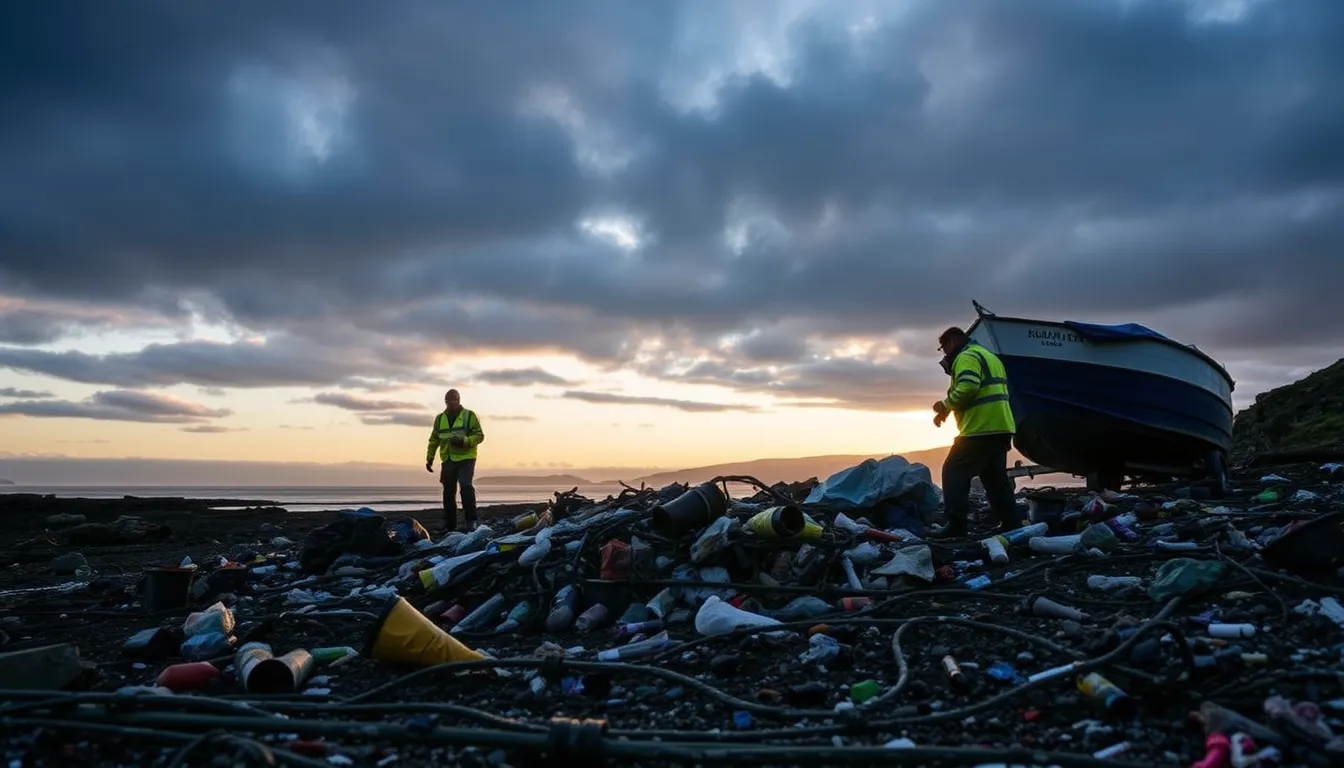
Anyone who has walked the white sand of the Isles of Scilly will know how quickly the sea can change a beach overnight. Over the past 18 months, a community group called Scilly Coastal Clean-up has been hauling that changing tide’s leftovers ashore, and the figures are sobering. More than two tonnes of litter has been collected since the group began sorting marine debris in February 2025. That includes around 8,000 plastic bottles and 16,000 pieces of rope and netting, which are among the most damaging items for seabirds, seals and fish.

The group’s director, Nikki Banfield, has been clear about the source. Because the islands sit exposed to the wind and tides, they catch debris that has travelled enormous distances. She says around 98 per cent of what the team finds has come from far beyond the archipelago, traced back to mainland Britain, Europe, Africa, America, Canada and further afield through global shipping. The team has gathered more than 43,000 individual pieces, ranging from tiny plastic pellets known as nurdles to toilet seats, wheelie bins and even fridge freezers.
For residents, this matters because the islands’ economy and identity depend on a healthy coastline. Fishing, boat trips, holiday lets and the natural landscape that draws visitors all rely on clean water and clear shores. Seeing this scale of waste on your own doorstep makes it clear that what happens hundreds of miles away has a direct effect here.
Partnerships Giving Waste a Second Life
Collecting litter is only half the job. The clean-up group has teamed up with Odyssey Innovation, a company that specialises in recycling marine waste, and Exeter City Council to find better outcomes for what is gathered. So far, more than one tonne of material has been exported for recycling. Of that, 1.2 tonnes of rigid plastics, rope and net has been processed through the partnership, and a further 770kg of rope and net has also been recycled.
The Council of the Isles of Scilly has had its own responsibility to manage. It has disposed of 640kg of hazardous and non-recyclable waste, which cannot simply be sorted and sent on. Handling that kind of material safely adds cost and logistical strain for a small island authority, which is why cooperation with mainland partners has become so valuable.
Exeter City Council’s recovery manager, Matt Hulland, pointed out that plastic pollution does not respect boundaries. Lost or discarded fishing gear in particular can cause long-lasting harm to the wildlife and the local fishing businesses that depend on healthy waters. For the volunteers, who give up their time to walk the shoreline in all weathers, seeing their finds reused rather than buried offers a sense that their efforts are making a measurable difference.
What Residents and Visitors Can Do Next
If you live on Scilly or visit regularly, there are practical steps that make a real difference. Join a local beach clean if you can spare an hour, and bring gloves and a bag. Report large or unusual finds, such as fishing gear or hazardous containers, to the council rather than leaving them on the shore. If you own a boat or work on the water, check that fishing equipment is secured and that nothing is lost overboard. Small habits at home also matter, from avoiding single-use plastics to disposing of cigarette ends and wet wipes properly, since these often end up in the sea through drains.
Dog owners have an important role too. Many islanders and visitors walk their dogs along the shoreline every day, and taking a spare bag to pick up a little litter on the way home is a simple habit. The same principles apply on mainland Cornwall. Surfers and families heading to Fistral Beach in Newquay, for example, see similar debris washing ashore after storms. If you are planning a trip and want a dog-friendly base, look for dog friendly accommodation that promotes responsible beach use, and consider a stay that gives you easy access to the coast, whether you plan to go to Newquay or explore Scilly’s quieter bays.
What to watch next is whether the clean-up numbers keep climbing and whether the recycling partnership expands. Local readers should keep an eye on council updates and the group’s own announcements for upcoming volunteer days.
Source: Isles of Scilly group collects two tonnes of marine litter