New Powers Target Empty Shops Across St Austell and Newquay
Reclaiming Our High Streets: St Austell and Newquay in Focus
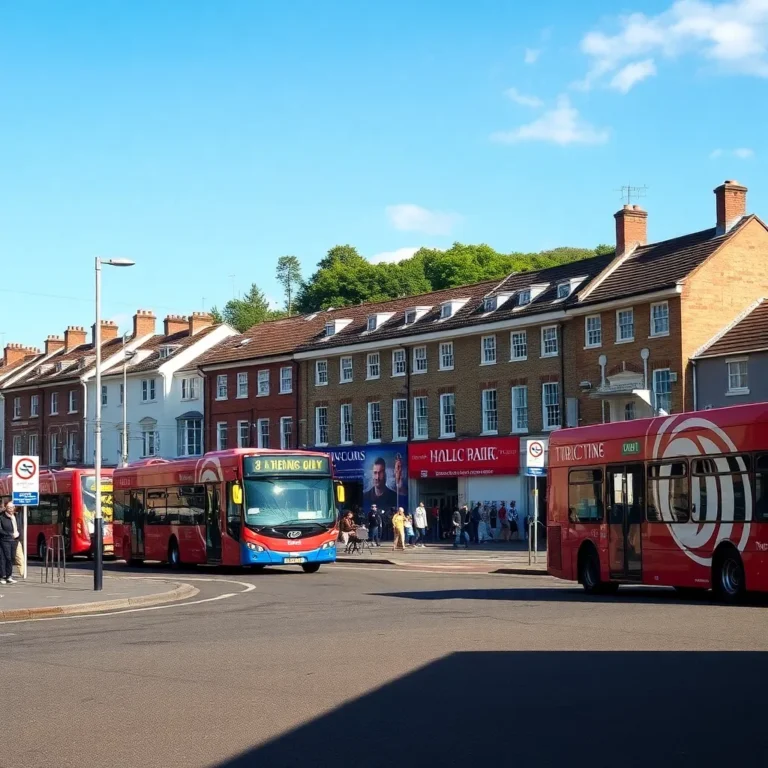
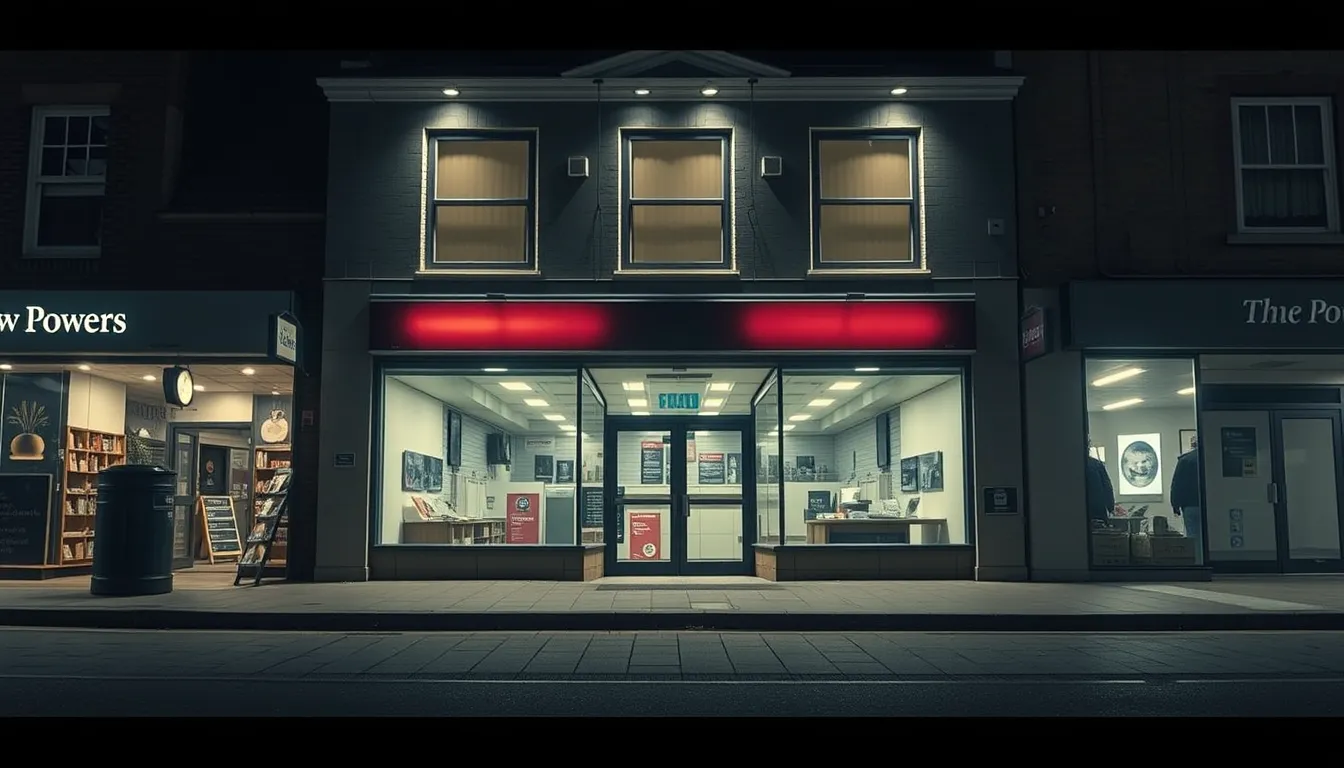
For years, walking down the high streets of St Austell and Newquay has presented a mixed picture for locals. While scenic spots like Fistral Beach draw steady crowds, commercial centres like Fore Street in St Austell have struggled with vacancy rates climbing as high as 30 percent. Empty shopfronts and boarded-up windows do more than just sour the aesthetic; they dampen community spirit and erode local trade. Whether you head out to run everyday errands in town or decide to go to Newquay for a weekend shop, the decline of traditional retail space has been hard to ignore. Under new government measures, local authorities across Cornwall are preparing to tackle this problem head-on. A central £10 million funding pool will enable councils to initiate rental auctions on retail units that have stood vacant for longer than 12 months. For our towns, where high streets serve as the vital social backbone connecting residents, these powers could allow fresh independent traders, pop-up initiatives, and community services to move in. By lowering the entry bar for local entrepreneurs, the goal is to transform quiet thoroughfares back into vibrant hubs where neighbours can gather, shop, and support local enterprise once again.

What Local Businesses and Councils Say
The local reaction to the new initiative offers a blend of cautious optimism and practical realism. St Austell and Newquay MP Noah Law welcomed the measures, highlighting that filling long-abandoned units is a priority for residents who want to see proactive action from local leadership. Under the scheme, councils gain the authority to take over marketing vacant units and run auctions, effectively pressing private landlords to lower unrealistic rental demands. However, community leaders in nearby Redruth warn that the scheme may face hurdles on the ground. Redruth Independent town councillor Ellie Allen pointed out that many empty properties in town centres are listed for sale rather than rent, placing them outside the mandate of rental auctions. Furthermore, the mandatory 12-month vacancy requirement means fast intervention is not always possible. Local business groups in Redruth argue that funding decisions should be fully devolved, allowing individual Cornish towns to tailor solutions to their unique economic challenges rather than following a rigid national template. Traders emphasize that while national policy provides a useful framework, success will depend on flexibility, lower overhead costs, and direct backing for homegrown businesses trying to establish a presence on our streets.
What This Means for Residents and What Happens Next
For Cornish residents, the push to revive high streets is about preserving the social fabric of our towns. Beyond commercial shops, the broader policy package aims to safeguard community assets such as local pubs, sports facilities, and cultural venues. A comprehensive high streets strategy scheduled for release later this year is expected to offer additional details on how derelict spaces can be repurposed. In the meantime, residents can take active steps to support town centre rejuvenation. Choosing to shop locally, attending town consultation meetings, and backing independent startups can make an immediate difference to shopkeepers working hard to keep their doors open. Local council meetings in St Austell, Newquay, and Redruth will soon consider how best to deploy these newly granted powers, making it an ideal moment for residents to voice their views on what types of businesses or community hubs they wish to see on their doorstep. As these rental auction pilot programs take shape, watching how effectively local authorities negotiate with property owners will be key to determining whether our town centres can truly regain their place as the bustling heart of Cornish community life.
Source: Could power to rent empty shops help high streets?