17th Century Shipwreck Treasures Find Home at Scilly Museum
Historic Artefacts Chart New Course for Scilly Museum
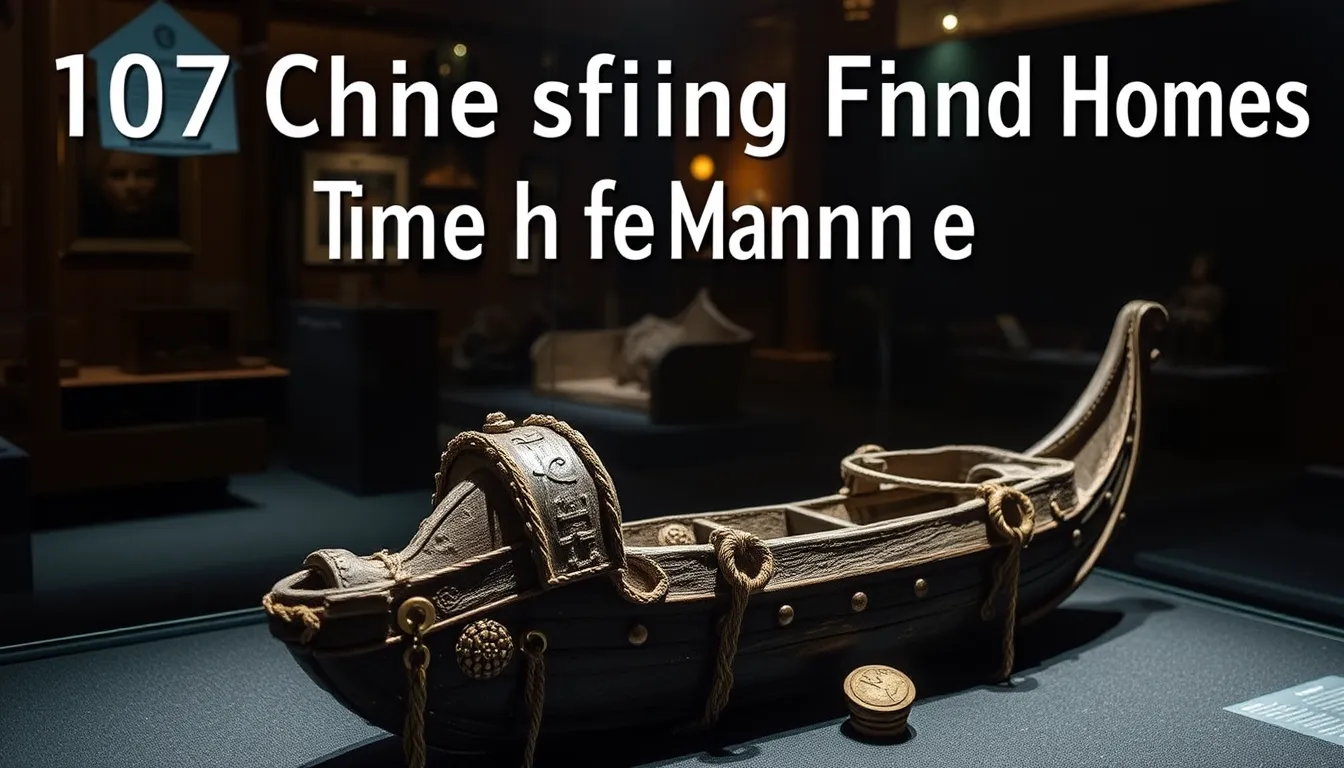
The Isles of Scilly Museum has received a remarkable collection of artefacts recovered from the wreck of the Phoenix, a vessel that met its fate in 1680. This significant donation represents one of the most important maritime discoveries in recent years for our region, offering locals and visitors alike a tangible connection to Cornwall’s seafaring past.

The Phoenix sank over three centuries ago, and the recovered items provide an extraordinary window into life aboard ships during the late 17th century. These artefacts—ranging from everyday objects to more specialised maritime equipment—tell the stories of the sailors who worked these waters and the communities that depended on trade routes around our Cornish coastline.
For residents of Newquay and surrounding neighbourhoods, the donation underscores why our islands and coastal areas remain central to understanding Britain’s maritime identity. The museum, located in the heart of the Isles of Scilly, now serves as custodian of these irreplaceable pieces of our shared heritage. Whether you go to Newquay for a seaside getaway or live here year-round, understanding this history deepens your appreciation for the waters that have shaped our community for generations.
What the Discovery Means for Local Museums and Heritage
The Isles of Scilly Museum has long been a cornerstone institution for preserving our region’s unique character and history. This donation significantly enhances their collection and strengthens their role as a cultural hub for both residents and the thousands of visitors who visit Newquay and the surrounding coastal areas annually.
Museum staff and volunteers have worked tirelessly to catalogue and conserve these recovered items. Their expertise ensures that artefacts from the Phoenix wreck are properly preserved for future generations. This kind of dedication often goes unnoticed, but it’s absolutely crucial to maintaining our local identity and heritage.
The discovery also highlights the importance of proper archaeological methodology. The careful recovery and documentation of items from the wreck site demonstrates how collaboration between maritime archaeologists, local historians, and museum professionals can unlock the secrets of our past. For families planning activities during visits to Newquay or exploring the wider Cornish coast, the museum now offers an even richer experience, providing educational exhibits that connect visitors directly to our maritime legacy.
Exploring Cornwall’s Maritime Heritage: What to Do Next
This discovery provides an excellent opportunity for local residents to reconnect with our region’s seafaring roots. The Isles of Scilly Museum welcomes visitors year-round, and the newly acquired Phoenix collection is sure to become a key attraction for anyone interested in naval history or archaeology.
If you’re planning a trip to go to Newquay or explore nearby coastal areas, consider making the museum a stop on your itinerary. Whether you’re bringing family members, enjoying a walking weekend, or simply curious about the history beneath our waters, the expanded collection offers something genuinely fascinating. For those visiting Fistral Beach or other popular Newquay spots, the museum provides a rewarding cultural complement to outdoor activities.
The donation also raises awareness about how maritime archaeology continues in our region. Locals interested in participating in heritage conservation efforts should reach out to the museum directly to learn about volunteer opportunities or upcoming exhibitions. Consider supporting the museum through donations or memberships—institutions like this depend on community backing to continue their vital work. Whether you’re a long-time resident or planning to visit Newquay next season, our shared maritime heritage deserves recognition and protection.
Source: Hidden Cornwall – Treasure haul from 1680 donated to Scilly Museum – BBC Sounds