When a Pleasure Trip Turned Tragic: Newquay’s Forgotten Maritime Disaster
A Summer Day That Changed Everything
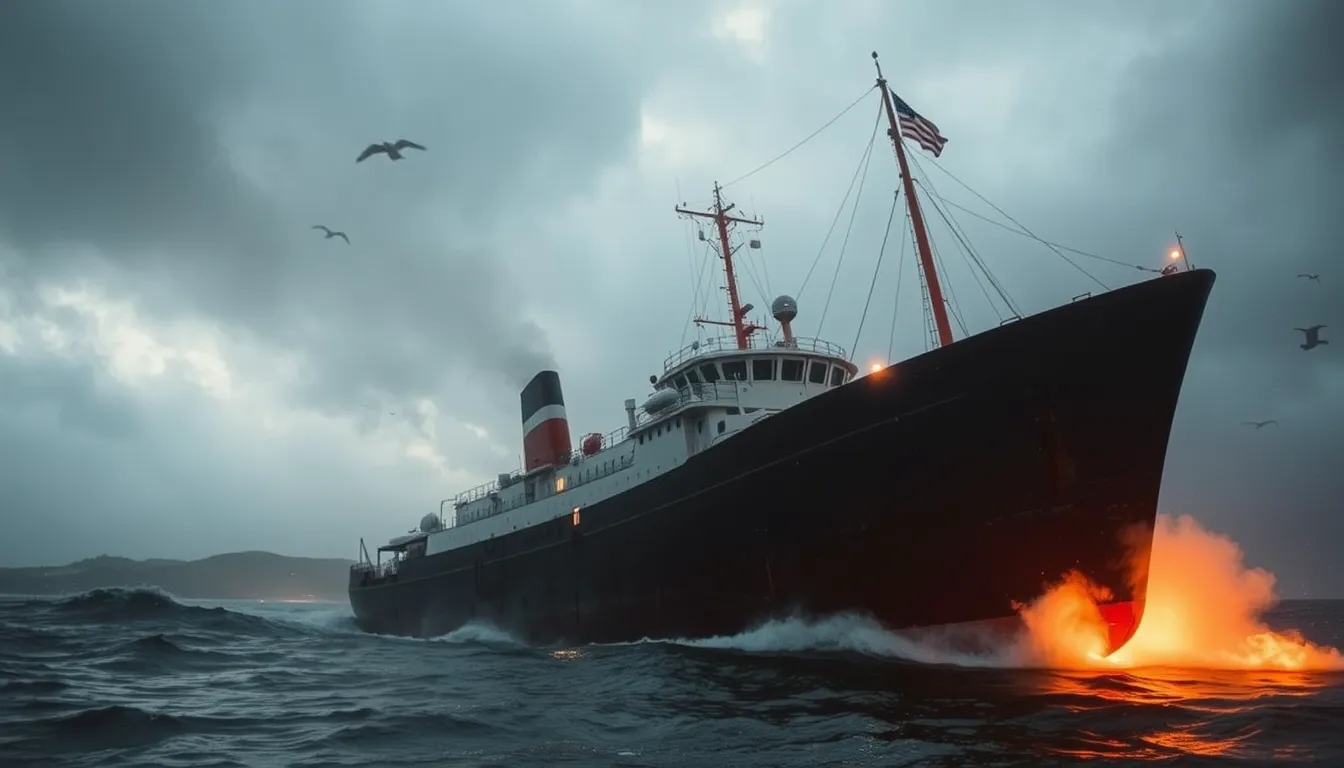
On 31st July 1966, what should have been a pleasant day out became one of Britain’s most devastating maritime tragedies. Holidaymakers from Merseyside, staying at the Greatwood guest house in Mylor, arranged what seemed like a straightforward boat excursion to Fowey aboard the Darlwyne, a 45-foot wooden pleasure cruiser. By mid-morning, 31 people—families with children, guests, and crew—had departed Mylor Creek with high spirits, unaware they would never return. The voyage to Fowey went smoothly; passengers spent three hours exploring the charming riverside town before boarding for the return journey. But the Cornish coast had other plans. Weather conditions deteriorated rapidly from Force 3 winds to dangerous Force 6 seas with 6ft waves. Despite local warnings urging the captain to remain in harbour, the Darlwyne set sail anyway. Somewhere between Dodman Point and Nare Head—landmarks familiar to anyone who knows our beautiful coastline—the vessel vanished without trace. Only twelve bodies were ever recovered, found floating in the waters that locals cherish for recreation and visit Newquay to enjoy.

How Our Community Was Left Searching for Answers
When families failed to return that evening, Robert Rainbird, the Greatwood proprietor, raised the alarm. What followed was one of the largest maritime rescue operations the region had witnessed. Coast guard helicopters, RAF Shackleton aircraft, and lifeboats searched desperately for two days, joined by privately hired planes from worried relatives. The effort extended beyond our immediate shores—search parties combed waters as far as the Channel Islands. Yet the Darlwyne remained elusive. For decades, the wreck location stayed unknown, leaving relatives and locals with profound unanswered questions. Half a century later, in 2016, local diver Nick Lyon believed he’d discovered remnants on the seabed near Rame Head: an anchor, winch, and personal effects. But confirmation proved impossible. Here in Cornwall, where maritime heritage runs deep—from Fistral Beach to our working harbours—this disaster represents a sobering chapter. It reminds us why our coastal communities hold maritime safety so seriously. The tragedy affected not just those lost, but entire families, friendships, and the local businesses connected to tourism and hospitality along our shores.
Why This Disaster Changed How We Travel Our Waters Today
The Darlwyne was fundamentally unseaworthy and never should have carried passengers. It lacked proper licensing, had no radio communication, carried insufficient lifeboats, and its captain held no passenger vessel credentials. The boat was poorly maintained and designed to safely carry perhaps a dozen people, not 31. That such a vessel could operate at all represented a catastrophic failure of maritime oversight—but it sparked immediate reform. The tragedy prompted sweeping changes to national maritime legislation and passenger vessel safety standards. Today, when locals recommend visitors go to Newquay or explore our beautiful coastline, from dog-friendly accommodation options to dog on beaches outings at Fistral Beach and beyond, they benefit from safety regulations born from this 1966 disaster. Our community learned that day—in the most heartbreaking way—that safety cannot be compromised for convenience or profit. Local maritime museums and heritage organisations now preserve this story, ensuring future generations understand what was lost and why these protections matter. For residents, this history serves as both memorial and reminder: our Cornish waters demand respect, preparation, and unwavering commitment to safety standards that protect everyone who ventures onto our seas.
Source: Pleasure boat that sank without trace in Cornish seas with 31 lives lost