
TV Studio Heat Wave: What Local Viewers Should Know
Studio Troubles During Peak Heat Wave
This week’s episode of Good Morning Britain highlighted the broader challenges facing broadcasters across the UK as record-breaking temperatures grip the nation. Presenters Richard Madeley and Charlotte Hawkins encountered unexpected technical difficulties during Thursday’s live transmission, including equipment malfunctions beneath the studio desk and uncomfortably high temperatures that forced the team to seek relief with ice lollies.

These aren’t isolated incidents—they reflect the strain extreme weather places on critical infrastructure nationwide. For local viewers tuning in from their homes, the broadcast served as a stark reminder that even our most trusted television programmes operate under challenging conditions during heat waves. The presenters’ candid acknowledgment of the problems demonstrated transparency often appreciated by audiences. The incident sparked lighthearted banter between the team but underscored genuine concerns about workplace safety and equipment reliability when temperatures soar. As meteorologist Laura Tobin reported, South and South-East England faced forecasts reaching 30 degrees Celsius, with no immediate relief in sight. Understanding these behind-the-scenes challenges helps viewers appreciate the dedication broadcast professionals bring to delivering daily news.
Heat Wave Impact on Our Region and Tourism
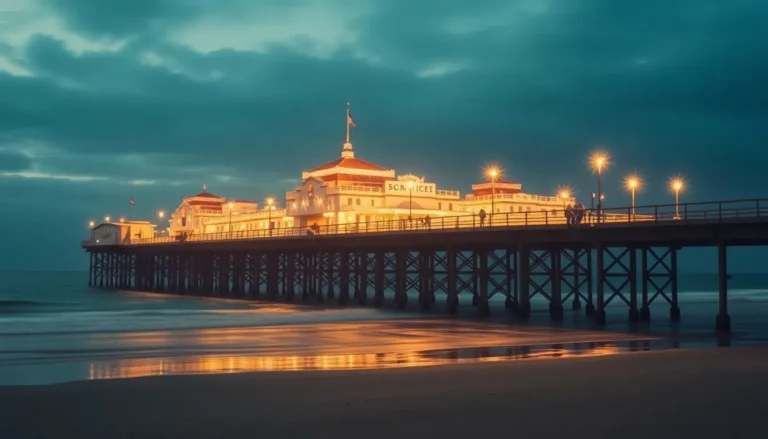
Record temperatures are transforming how locals and visitors interact with our community spaces this summer. As temperatures climbed across the region, popular destinations like Fistral Beach became crowded with sun-seekers eager to escape indoor heat. However, increased footfall has brought environmental concerns, with reports of litter and waste accumulation at beloved local landmarks.
For those planning trips to go to Newquay during the warm months, the surge in visitors creates both opportunities and responsibilities. Many local dog owners have adapted their routines, with dog-friendly accommodation options becoming increasingly valuable during peak heat. Several businesses now advertise dog on beaches policies and cooling facilities to help families and their pets enjoy visits safely. The environmental toll of overcrowding at scenic locations like Fistral Beach demands community action—locals are urging visitors to take waste home and respect these treasured spaces.
Businesses offering dog friendly accommodation have reported strong bookings, as families seek comfortable, pet-welcoming spaces during the heat wave. This economic boost comes with obligations: hospitality providers stress the importance of sustainable tourism practices. Visit Newquay tourism boards are promoting responsible visitor behaviour while encouraging exploration of quieter alternative locations to distribute crowds more evenly.
What You Should Do Right Now
As heat waves persist, local residents and visitors must prioritize safety and environmental stewardship. Health officials recommend staying hydrated, limiting outdoor activity during peak hours (11am-3pm), and checking on vulnerable neighbours and relatives. Parents should ensure children access shade and supervise closely at beaches and water attractions.
For those planning summer activities, practical steps matter: if you go to Newquay or visit Fistral Beach, arrive early to secure parking and avoid crowds, bring reusable water bottles, and pack out all litter without exception. If you’re seeking dog friendly accommodation, book early as availability tightens during peak season. Property owners should maintain cooling systems and ensure adequate ventilation.
Community groups are organizing cooling centres and distributing information about heat-related illness symptoms. Local councils encourage residents to report concerning infrastructure damage—if you notice failing equipment or unsafe conditions, contact authorities immediately. Looking ahead, monitor weather forecasts closely and adjust plans accordingly. Support local businesses adapting to seasonal challenges, particularly those offering dog on beaches access and family-friendly facilities. Most importantly, look out for vulnerable community members during this period. The combination of extreme heat, increased tourism, and infrastructure strain demands collective responsibility and neighbourly vigilance from everyone.
Source: Richard Madeley issues apology after live ‘malfunction’ on Good Morning Britain