M5 Fire Chaos: 10-Hour Closure Snarls Traffic, Impacts Communities
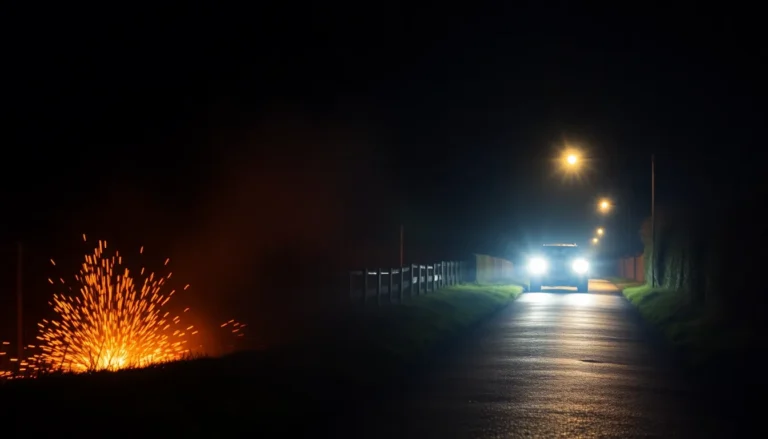
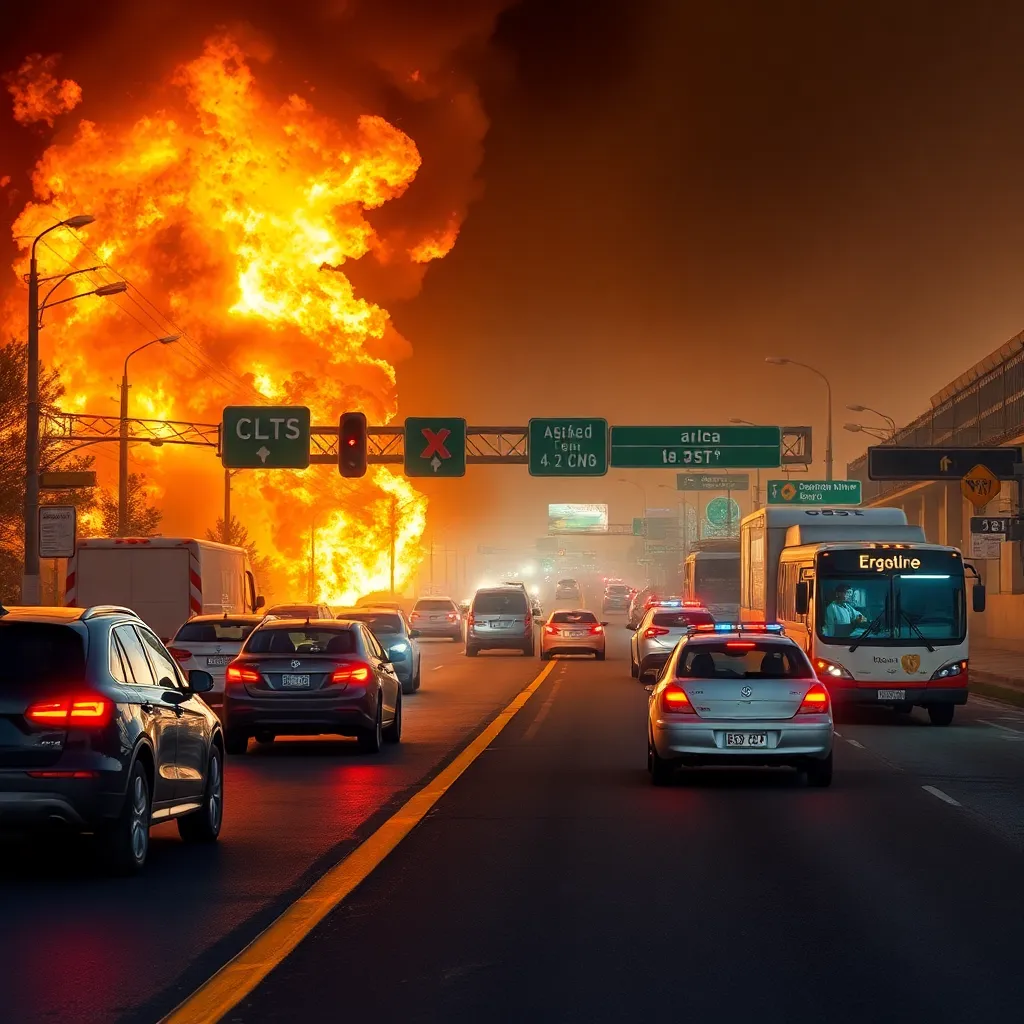
A major incident this week saw the M5 motorway shut down for an extensive period of almost ten hours due to a fire, an event that quickly became a prominent headline. This prolonged closure of a critical transportation artery had immediate and far-reaching consequences for countless travelers and the surrounding local communities. As a vital link connecting various regions, any significant disruption to the M5 inevitably creates substantial logistical challenges, impacting daily commutes and commercial operations alike. The fire itself necessitated a rapid and comprehensive response from emergency services, including fire brigades and police, who would have worked tirelessly to contain the blaze and ensure public safety, drawing considerable resources from local stations.

The nearly ten-hour shutdown of such a critical transport link inevitably caused immense disruption across the affected region. Commuters faced severe delays, with many journeys extended by hours as traffic was diverted onto smaller, often unsuitable, local roads. This influx of heavy traffic would have overwhelmed local infrastructure, leading to unprecedented congestion in towns and villages adjacent to the M5. Local businesses, particularly those reliant on timely deliveries and road transport, would have experienced significant operational challenges and potential financial losses. The community relevance of such an event is profound; residents living near diversion routes would have contended with increased noise, pollution, and safety concerns, while general public services and access to essential amenities could also have been impacted by the gridlock.
Beyond the immediate inconvenience, the incident on the M5 highlights the fragility of regional connectivity. For nearly half a day, a crucial economic corridor was effectively severed, impacting supply chains, tourism, and daily life for thousands. The incident underscores the importance of resilient infrastructure and efficient emergency response planning in mitigating the economic and social fallout of such events. While specific locations along the M5 or individuals directly affected are not detailed in the source, the sheer scale and duration of the closure ensure that its effects were widely felt, making it a significant community event that dominated local discussions and demonstrated the collective impact of a single incident on a vital piece of national infrastructure.
(Source: https://www.bbc.com/news/articles/c4gpvvnw5yqo?at_medium=RSS&at_campaign=rss)